

In the vast realm of polymers, polyurethane foam stands out as a versatile and innovative material, transforming industries with its unique properties and applications. Born from the intricate chemical reactions between isocyanates and polyethers, polyurethane boasts remarkable heat, chemical, and water resistance. This article delves deep into the world of polyurethane foam, shedding light on its production, classifications, advantages, and the challenges it poses to the environment. As we navigate through the intricacies of this material, we’ll also explore its future prospects, ensuring a comprehensive understanding of polyurethane foam and its significance in modern applications.
Introduction to Polyurethane Foaming
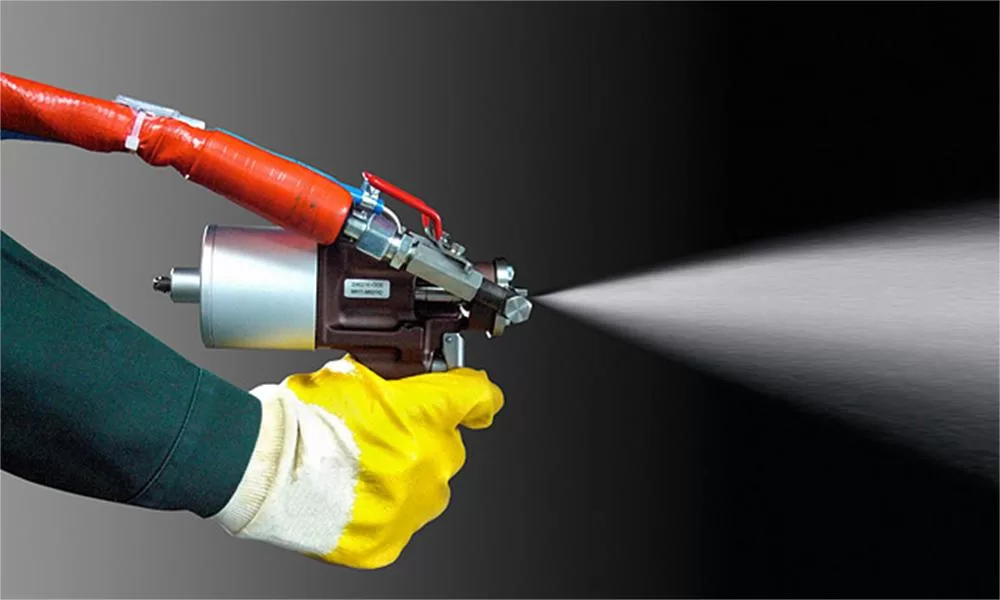
Polyurethane foaming is a chemical reaction process through which raw polyurethane material creates bubbles under specific conditions to form a porous foam structure. This foam is lightweight, insulating, and flexible, making it popular for many applications such as building insulation, furniture, mattresses, footwear, and automobile seats. At Ifoama, our products are made with polyurethane foam.
Basic Components of Polyurethane
At the heart of polyurethane foam are two primary components: polyisocyanates and polyols. These compounds, when combined, undergo a chemical reaction that results in the formation of polyurethane. While polyisocyanates provide the necessary rigidity, polyols add flexibility. Additionally, other ingredients play crucial roles. Catalysts, for instance, accelerate the reaction, ensuring efficiency. Foaming agents are pivotal in creating the foam’s cellular structure, and stabilizers and surfactants are added to maintain the foam’s consistency and shape.
The Chemical Principle Behind Foaming
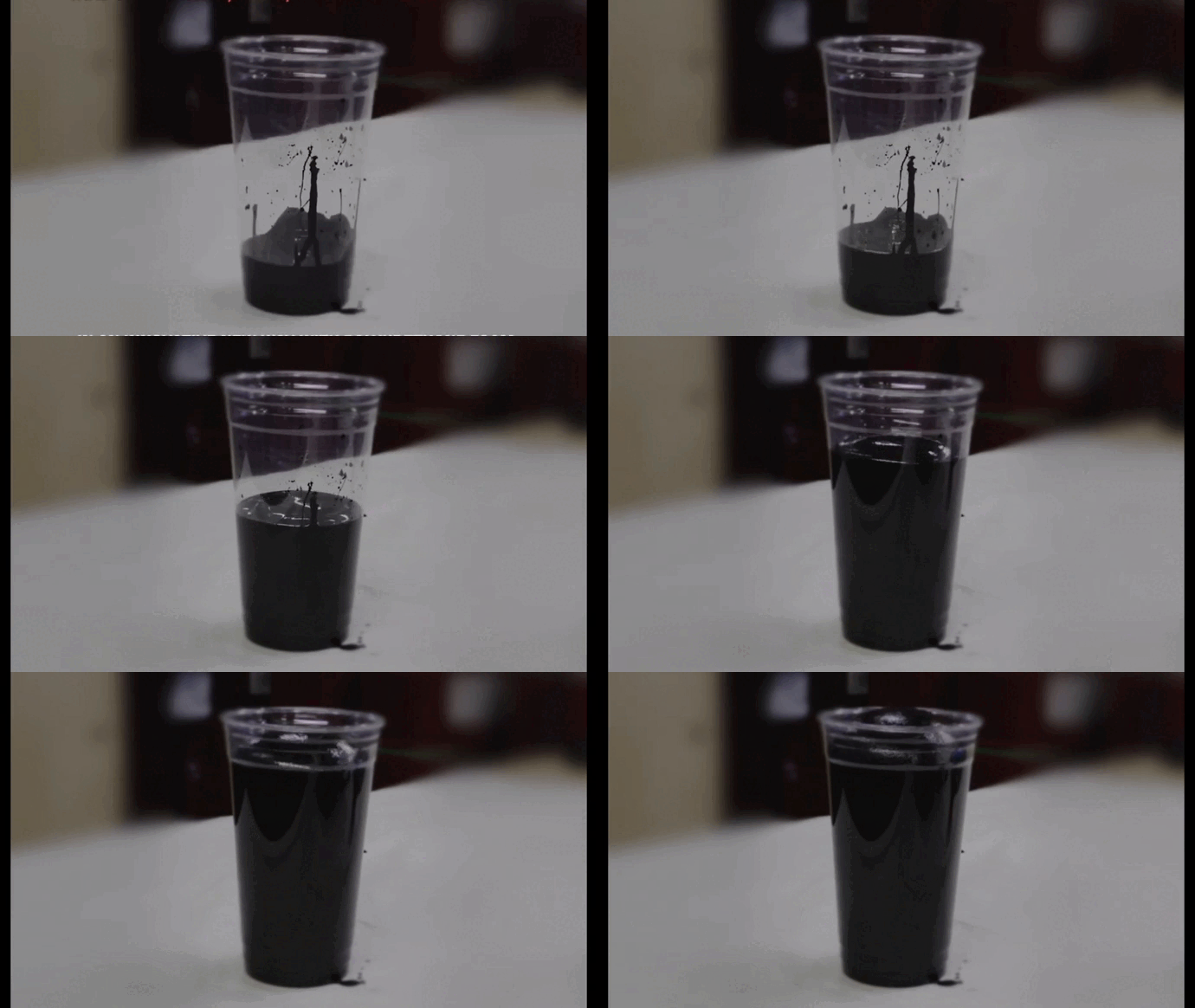
The basic principle of polyurethane foaming is that when polyisocyanates and polyols are mixed in the presence of a catalyst and/or blowing agent, they react to produce carbon dioxide or other gases. The bubbles formed by these gases are surrounded by cured polyurethane solids, resulting in a foam structure.
The creation of polyurethane foam is a marvel of chemistry. As polyisocyanates and polyols react, they expand, forming a matrix that captures gas, resulting in the formation of bubbles. This process gives rise to a lightweight, porous structure, ideal for various applications. The choice of foaming agent, whether physical or chemical, can significantly influence the foam’s final properties. Physical agents, like hydrocarbons, vaporize when exposed to heat, aiding in foam formation. In contrast, chemical agents release gas upon decomposition, with water being a common example.
Comparison Between Physical and Chemical Foaming Agents
Physical Foaming Agents
발포제라고도 알려진 물리적 발포제는 고유의 휘발성 특성에 의존하여 거품을 생성합니다. 발포 공정 중에 열이나 압력을 가하면 이러한 제제가 기화되어 폴리우레탄 혼합물 내에 기포가 형성됩니다. 이러한 팽창으로 인해 폼의 셀 구조가 생성됩니다. 일반적인 물리적 발포제에는 다음이 포함됩니다.
- 탄화수소: 예로는 부탄, 펜탄, 이소펜탄이 있습니다. 이는 환경에 미치는 영향이 적고 비용 효율성이 높기 때문에 자주 사용됩니다. 이는 특히 유연한 폼 생산에 선호됩니다.
- Fluorocarbons: While effective, these have been under scrutiny due to potential environmental concerns, especially regarding ozone depletion. HFCs (hydrofluorocarbons) are a common type, known for their low thermal conductivity.
Chemical Foaming Agents
Chemical foaming agents decompose during the foaming process, releasing gases that contribute to the formation of the foam’s cellular structure. The type and amount of gas released depend on the specific chemical agent used. Some prominent chemical foaming agents include:
- Water: When mixed with isocyanates, water releases carbon dioxide. This reaction is a primary method for producing flexible polyurethane foams. The carbon dioxide generated acts as a blowing agent, creating the foam structure.
- 아조디카본아미드: 비닐 폼 생산에 일반적으로 사용되며 분해되어 질소, 일산화탄소 및 이산화탄소를 방출합니다. 폼에서 균일한 셀 구조를 생성하는 능력으로 인해 선호됩니다.
- 중탄산나트륨: 종종 구연산이나 타르타르산과 결합하여 분해 시 이산화탄소를 방출합니다. 이는 식품 산업에서 더 일반적으로 사용되지만 특정 폴리우레탄 발포 공정에서도 응용할 수 있습니다.
폴리우레탄 폼의 특성
Polyurethane foam boasts several distinct characteristics. Its density, which refers to its mass per unit volume, can be adjusted by altering the formulation, allowing manufacturers to produce foams tailored for specific applications. Porosity, or the foam’s open spaces, determines its insulation capabilities. A higher porosity translates to better insulation but might compromise the foam’s structural integrity. Elasticity, another crucial property, dictates how the foam responds to external pressures, making it ideal for cushioning applications.
Applications of Polyurethane Foaming
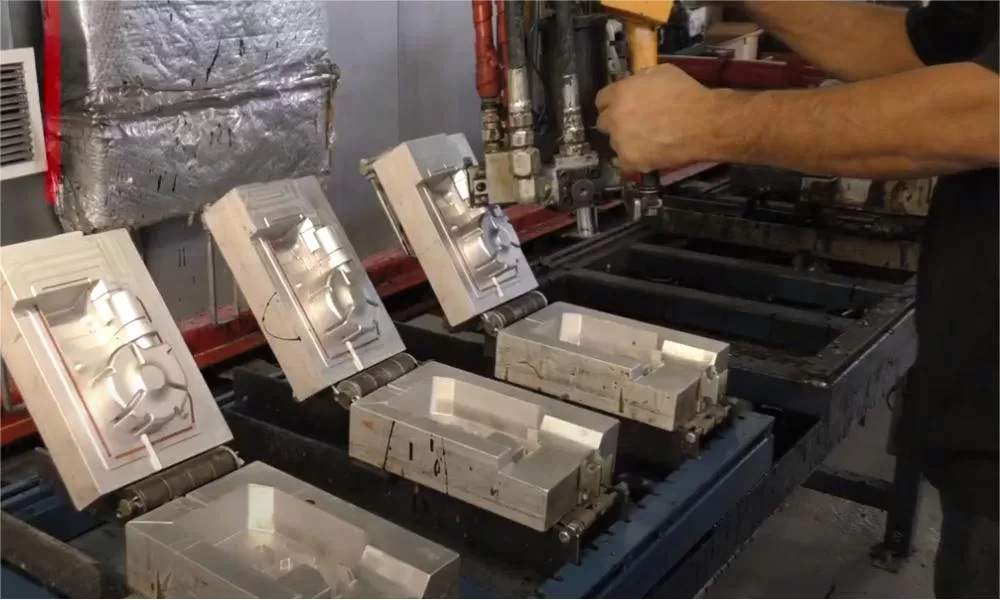
The versatility of polyurethane foam has led to its widespread use in various sectors. In construction, it’s prized for its insulation capabilities, making it ideal for walls and roofs. It also plays a crucial role in sealing gaps, enhancing a building’s energy efficiency. In the furniture industry, its elasticity and comfort have made it the material of choice for cushions in sofas and mattresses. The automotive sector also heavily relies on it for car seats, dashboards, and insulation, thanks to its lightweight nature and durability.
Environmental and Health Considerations
While polyurethane foam offers numerous benefits, it’s essential to consider its environmental and health impacts. From an environmental standpoint, its durability is a double-edged sword. While it ensures longevity in products, it also means the foam isn’t biodegradable, posing significant disposal challenges. On the health front, while cured polyurethane foam is generally considered safe, the fumes from its uncured counterpart can be harmful. Proper ventilation during its application is crucial, as is the use of protective gear.
Future Trends in Polyurethane Foaming
The world of polyurethane foam is ever-evolving. As environmental concerns mount, there’s a discernible shift towards bio-based polyurethanes, which promise a reduced carbon footprint. Continuous research and development are also leading to innovations in catalysts, foaming agents, and production processes. These advancements ensure the production of higher-quality foams with enhanced properties, catering to the ever-changing demands of various industries.
Common Questions and Misconceptions
Several misconceptions surround polyurethane foam. A common query is its toxicity. While the foam, once fully cured, is inert and safe, its uncured counterpart can release toxic fumes, underscoring the importance of safety measures during its application. Another frequent question pertains to its storage and handling. It’s recommended to store polyurethane foam in a cool, dry place and always use protective gear like gloves and masks when handling its uncured form to prevent direct contact and inhalation.
결론
In conclusion, polyurethane foam, with its myriad applications and unique properties, has firmly established its place in modern industries. Its versatility, combined with its adaptability, ensures its continued relevance in various sectors. However, as we forge ahead, it’s imperative to balance its benefits with environmental and health considerations, ensuring a sustainable future.