

El dolor de hombros y cuello es uno de los problemas de salud que suele enfrentar la gente moderna, generalmente causado por mantener la misma postura o una postura incorrecta durante mucho tiempo. Este dolor afecta la salud física, la vida diaria y el trabajo. Sin embargo, existen algunas formas sencillas pero efectivas de ayudar a aliviar el dolor de hombros y cuello y así mejorar la calidad de vida. Este artículo presentará 10 temas, que incluyen relajación muscular, ejercicio físico, postura adecuada y dieta, para ayudarlo a aliviar el dolor de hombros y cuello y restaurar su salud.
Descanso adecuado & Ajuste de la postura de trabajo
Si tu trabajo requiere que te sientes frente a una computadora durante largos períodos de tiempo, entonces debes tomar descansos regulares para aliviar la fatiga muscular. Además, debes ajustar tu postura de trabajo para reducir el estrés y el dolor muscular.
- Descanso y actividad: Mantener la misma postura durante mucho tiempo puede provocar dolor de hombros y cuello. Por ello, es recomendable que hagas una pausa de vez en cuando y realices algunos ejercicios o actividades sencillas como rotar los hombros y estirar el cuello.
- Ajuste su postura de trabajo: si trabaja frente a una computadora durante mucho tiempo, puede provocar dolor en los hombros y el cuello. Por lo tanto, se recomienda ajustar su postura de trabajo para que sus hombros y cuello estén cómodos, como ajustar la pantalla de su computadora a la altura y el ángulo adecuados y usar una silla ergonómica.
- Encuentre la almohada y el colchón adecuados: utilizar una almohada y un colchón que no sean adecuados para su cuerpo mientras duerme también puede causar dolor en los hombros y el cuello. Por lo tanto, se recomienda elegir la almohada y el colchón adecuados para apoyar el cuello y los hombros.
- Masaje y calor: si ya siente dolor en los hombros y el cuello, puede utilizar masajes y calor para aliviar el dolor y relajar los músculos.
- Ejercicio y estiramiento: Al hacer ejercicios y estiramientos para los hombros y el cuello, puede ayudar a fortalecer los músculos, aliviar el dolor y mejorar la postura.
Realizar masaje de hombros y cuello & Tracción
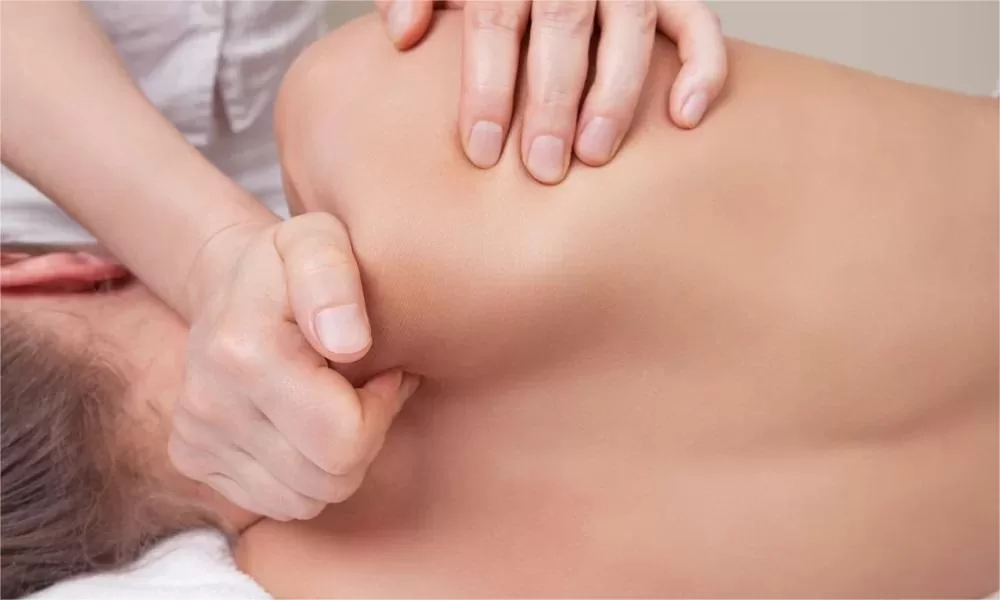
El masaje y la tracción de hombros y cuello alivian eficazmente el dolor de hombros y cuello. Puedes utilizar un masajeador o pedirle a un masajista profesional que te dé un masaje.
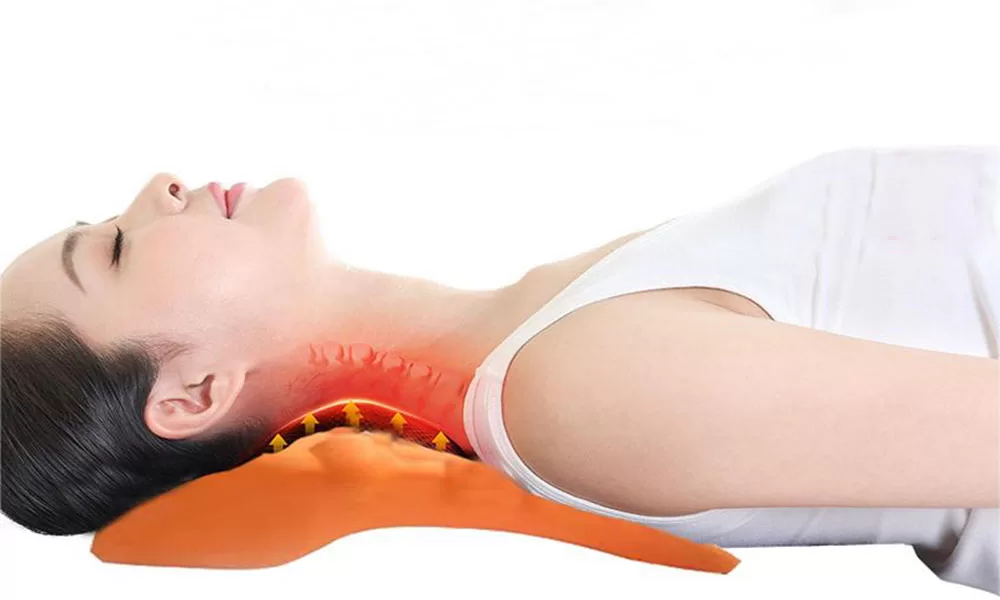
- Masaje: El masaje de hombros y cuello puede relajar los músculos, aliviar el dolor y mejorar la circulación sanguínea. También puede promover la flexibilidad y elasticidad de los músculos y tejidos blandos, ayudando a prevenir problemas como tensión y distensiones musculares. Además, el masaje también puede ayudar a reducir el estrés y relajar el cuerpo, así como aliviar el dolor de hombros y cuello. Aquí te recomendamos nuestro producto: Almohada de masaje de poliuretano para hombros y cuello., que puede ayudarle eficazmente a reducir el dolor y relajar el hombro y el cuello. Por supuesto, también puedes buscar ayuda de tus familiares y amigos.
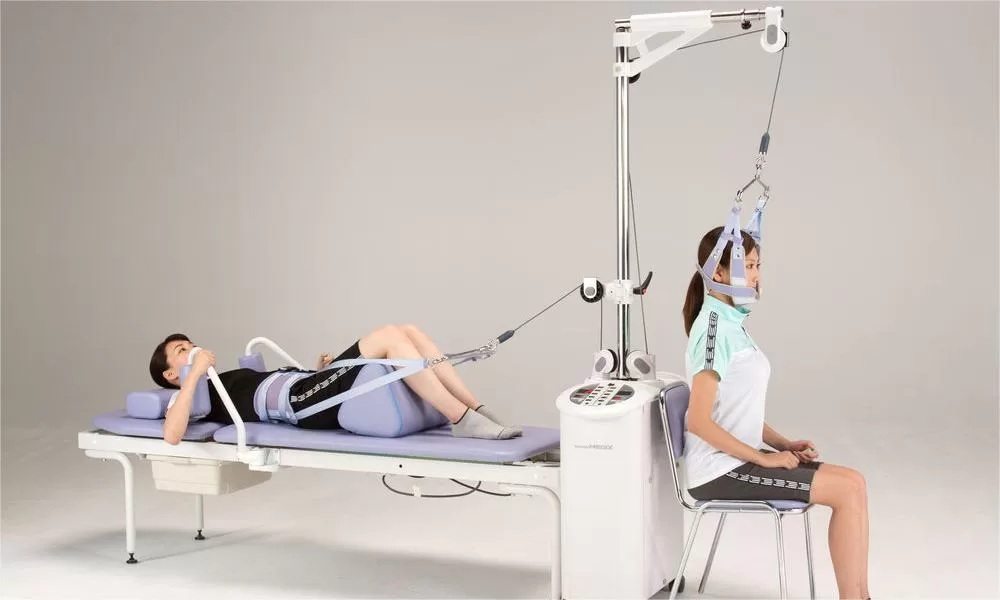
- Tracción: La tracción de hombros y cuello estira los músculos del cuello y los hombros, reduciendo así el dolor y mejorando la postura. La tracción también puede reducir el estrés y promover la regeneración y reparación de los discos intervertebrales, ayudando así a prevenir la espondilosis cervical y otros problemas relacionados.
Realizar ejercicios de cuello & Yoga
Los ejercicios de cuello y el yoga son formas eficaces de aliviar el dolor de hombros y cuello. Estos ejercicios pueden ayudarte a relajar los músculos y mejorar tu postura.
- Ejercicios para el cuello: Los ejercicios para el cuello pueden ayudar a aliviar el dolor de hombros y cuello mediante el estiramiento y el movimiento adecuados del cuello. Estos ejercicios pueden mejorar la flexibilidad y la flexibilidad de los músculos del cuello y los hombros, y mejorar la circulación sanguínea y linfática, ayudando así a aliviar el dolor de hombros y cuello y prevenir problemas relacionados.
- Yoga: El yoga puede ayudar a aliviar el dolor de hombros y cuello mediante posturas adecuadas y respiración profunda. Estas posturas relajan los músculos y articulaciones de la zona de los hombros y el cuello y aumentan la flexibilidad y el equilibrio del cuerpo. Además, la respiración profunda puede aliviar el estrés y la ansiedad, ayudando así a aliviar el dolor de hombros y cuello relacionado con el estrés.
Tratamiento con compresas frías o calientes
Usar compresas frías o calientes es una de las formas comunes de aliviar el dolor de hombros y cuello; puede usar compresas frías o calientes, o agua caliente o bolsas de hielo.
- Compresa caliente: la compresa caliente puede relajar los músculos, mejorar la circulación sanguínea y reducir el dolor, lo que puede promover la circulación sanguínea y ayudar a que los nutrientes y el oxígeno fluyan a los músculos y tejidos, ayudando así a aliviar el dolor de hombros y cuello. Además, las compresas calientes pueden relajar los músculos y tejidos blandos y reducir la inflamación y la hinchazón, ayudando así a acelerar la recuperación.
- Compresas frías: Las compresas frías pueden reducir la inflamación y la hinchazón en el área de los hombros y el cuello y aliviar el dolor, lo que puede ayudar a aliviar el dolor de hombros y cuello al estrechar los vasos sanguíneos, reducir el flujo sanguíneo y disminuir la inflamación y la hinchazón. Además, las compresas frías pueden reducir el dolor y el entumecimiento y ayudar a restablecer el funcionamiento normal de los músculos y las articulaciones.
Siga la postura correcta & Postura de pie
Una postura inadecuada para sentarse y pararse puede provocar dolor de hombros y cuello. Debe mantener una postura adecuada al sentarse y levantarse y tratar de evitar agachar la cabeza o agacharse.
- Postura sentada: una postura sentada adecuada puede reducir la carga sobre los hombros y el cuello y reducir la tensión y el dolor en la zona de los hombros y el cuello. La postura correcta al sentarse debe ser: sentarse derecho, manteniendo la curvatura natural de la espalda y el cuello, manteniendo los hombros relajados y los pies apoyados en el suelo. Además, puede optar por utilizar una almohada o cojín de apoyo para ayudarle a mantener una postura adecuada al sentarse.
- De pie: una postura de pie correcta puede ayudar a aliviar el dolor de hombros y cuello y proteger la columna. La postura correcta de pie debe ser: párese derecho, levante la barbilla, apriete el estómago, relaje los hombros y mantenga los pies planos y separados a la altura de los hombros. Si necesita permanecer de pie durante largos períodos de tiempo, considere alternar estar de pie y descansar para evitar el dolor de hombros y cuello.
Evite mirar el teléfono o la computadora durante mucho tiempo
Mirar el teléfono o la computadora durante largos períodos de tiempo puede provocar dolor en el hombro y el cuello porque esta postura provoca una tensión constante en los músculos del cuello y los hombros, lo que aumenta la presión sobre el hombro y el cuello. Si esta postura se mantiene con regularidad, puede provocar fatiga y daño muscular, lo que a su vez puede provocar dolor de hombros y cuello y otros problemas relacionados.
- Mantenga la altura de la pantalla: Ajuste la altura de la pantalla de su computadora o teléfono celular para que quede al nivel de sus ojos, lo que puede reducir la carga en su cuello.
- Tome descansos frecuentes: el uso de una computadora o teléfono celular durante períodos prolongados puede causar fatiga en los hombros y el cuello. Se recomienda tomar descansos de vez en cuando y realizar algunas actividades para estirar y relajar los músculos.
- Ejercicio: Realizar ejercicios de hombros y cuello puede ayudar a reducir la tensión muscular y el dolor. Puede consultar a su médico o fisioterapeuta para saber qué ejercicios son adecuados para usted.
- Utilice soporte: Puede utilizar un soporte para teléfono o un cojín para mantener su teléfono o computadora a la altura correcta. Esto mantendrá la cabeza y el cuello en una posición adecuada, reduciendo así el dolor de hombros y cuello.
Mantenga una buena postura para dormir & Hábitos
Una posición incorrecta para dormir puede provocar una tensión constante en los músculos del cuello y los hombros, por lo que conviene utilizar una almohada y un colchón adecuados.
- Elija la almohada adecuada: Elegir una almohada adecuada puede ayudar a mantener una postura adecuada para dormir. Si duerme boca arriba o de lado, debe elegir una almohada que apoye su cuello y cabeza para que la columna cervical permanezca naturalmente curvada.
- Mantenga la posición correcta para dormir: Trate de evitar dormir boca abajo, lo que puede provocar que el cuello se tuerza excesivamente. Es mejor dormir boca arriba o de lado, lo que puede reducir la presión sobre el cuello y los hombros.
- Ejercicio de fortalecimiento: Realizar ejercicios para el hombro y el cuello puede ayudar a reducir la tensión muscular y el dolor. Puede consultar a su médico o fisioterapeuta para saber qué ejercicios son adecuados para usted.
- Evite dormir demasiado: Dormir demasiado puede provocar tensión en los músculos del cuello y los hombros. Trate de dormir lo suficiente, pero no se quede dormido.
- Cambie su posición para dormir con frecuencia: si duerme en la misma posición todo el tiempo, puede generar una mayor presión sobre los hombros y el cuello. Intente cambiar su posición para dormir con frecuencia para que sus hombros y cuello descansen.
Mantener el peso adecuado & Hábitos alimentarios saludables
El exceso de peso puede aumentar la carga sobre la columna cervical y los hombros, provocando tensión muscular y dolor. Debe evitar comer en exceso y beber alcohol, y centrarse en comidas y nutrición equilibradas.
- Mantenga el peso adecuado: el sobrepeso puede aumentar la carga sobre la columna cervical y los hombros y agravar la fatiga y el dolor muscular. Si se encuentra obeso, se recomienda que tome medidas para controlar su peso, por ejemplo cambiando su dieta y sus hábitos de ejercicio.
- Dieta equilibrada: una dieta debe contener suficientes nutrientes como proteínas, vitaminas y minerales. Estos nutrientes ayudan a mantener músculos y articulaciones sanos y a reducir el dolor de hombros y cuello. Trate de evitar alimentos no saludables como demasiada azúcar y grasa.
- Aumente su consumo de frutas y verduras: las frutas y verduras son ricas en antioxidantes y otros nutrientes beneficiosos que pueden ayudar a reducir la inflamación y el dolor al mismo tiempo que benefician la salud general de su cuerpo.
- Reducir el consumo de alcohol y cafeína: Demasiado alcohol y cafeína pueden agravar el dolor de hombros y cuello, por lo que se recomienda un consumo moderado.
- Beba mucha agua: Mantenerse hidratado puede ayudar a reducir el dolor y la inflamación al mismo tiempo que beneficia la salud general del cuerpo.
Realizar ejercicio apropiado & Actividad física
Puede elegir deportes y ejercicios físicos adecuados, como natación, yoga, jogging, etc. Porque el ejercicio puede fortalecer músculos y ligamentos, promover la circulación sanguínea y el metabolismo, mejorar la postura corporal y reducir el estrés.
- Elija el ejercicio adecuado para usted: algunos ejercicios son buenos para el hombro y el cuello, como la natación, el yoga, el Pilates, caminar, etc. Trate de evitar ejercicios extenuantes o artículos con demasiada carga de ejercicio.
- Haz un buen calentamiento y relajación: Antes de ejercitarte, un calentamiento adecuado puede ayudar a preparar tus músculos para el ejercicio y evitar distensiones musculares y otras lesiones. Después del ejercicio, realizar una relajación y estiramiento adecuados puede ayudar a aliviar la tensión y el dolor muscular.
- Controle la intensidad del ejercicio: trate de evitar el ejercicio extenuante y no haga ejercicio excesivo ni sobrecargue el ejercicio, lo que puede causar fatiga muscular y dolor.
- Mantenga una postura correcta: Preste atención a mantener una postura correcta durante el ejercicio, especialmente en hombros y cuello, para evitar agravar la fatiga muscular y el dolor.
- Aumente gradualmente la intensidad y el tiempo del ejercicio: cuando comience a hacer ejercicio por primera vez, puede reducir adecuadamente la intensidad y el tiempo del ejercicio y luego aumentar gradualmente. Esto puede evitar el ejercicio excesivo que provoca fatiga muscular y dolor.
Busque ayuda médica & Consejos de tratamiento
Si su dolor de hombro y cuello persiste durante un período de tiempo más prolongado o es intenso, debe buscar ayuda médica y asesoramiento sobre tratamiento.
- Diagnosticar la causa: Primero, el médico evaluará los síntomas y realizará una serie de pruebas para determinar la causa del dolor de hombro y cuello.
- Trate el dolor: el médico puede recetarle medicamentos como analgésicos y antiinflamatorios no esteroides (AINE) para aliviar el dolor.
- Fisioterapia: su médico puede recomendar fisioterapia, como masaje muscular, tracción y electroterapia, para ayudar a reducir la tensión y el dolor muscular.
- Tratamiento quirúrgico: si el dolor de hombro y cuello es intenso, su médico puede considerar un tratamiento quirúrgico para aliviar los síntomas.
- Ejercicios de rehabilitación: Su médico puede recomendarle algunos ejercicios de rehabilitación para el hombro y el cuello para ayudar a fortalecer los músculos y mejorar la postura.
- Cambios en el estilo de vida: su médico puede recomendar cambios en el estilo de vida, como evitar inclinar la cabeza durante mucho tiempo, mantener una postura adecuada y controlar la dieta, para ayudar a aliviar el dolor de hombros y cuello.
Conclusión
Este artículo trata sobre 10 formas efectivas de aliviar el dolor de hombros y cuello, espero que te ayude. Somos un fabricante profesional de almohadas de masaje de poliuretano para hombros y cuello, utiliza un diseño de moldeado de una sola pieza, es fácil de usar y admite venta al por mayor y personalización; los amigos interesados siempre pueden contactarnos.

7 Respuestas
¡Asombroso! ¡Este sitio es absolutamente genial! La colección de vídeos porno de transexuales es enorme.
– toneladas de hermosas chicas trans en ropa cristalina
escenas. La reproducción es fluida y cada día se agrega contenido nuevo.
Si estás buscando mirar porno transexual vídeos que presentan
Artistas calientes y acción intensa, este es definitivamente el lugar perfecto.
¡Totalmente recomendado!
Good day I am so happy I found your blog page, I really found you
by mistake, while I was researching on Yahoo for something else,
Anyhow I am here now and would just like to say thanks
a lot for a fantastic post and a all round thrilling blog (I also love the theme/design),
I don’t have time to read through it all at the minute but I have book-marked it and
also added in your RSS feeds, so when I have time
I will be back to read more, Please do keep up the great b.
This paragraph will assist the internet visitors for setting up new website
or even a blog from start to end.
You are so awesome! I do not suppose I have read through anything like that
before. So wonderful to discover someone with some unique thoughts on this subject.
Seriously.. thanks for starting this up. This website is one thing that is needed on the
internet, someone with a little originality!
Hmm it seems like your blog ate my first comment (it was extremely long) so I guess
I’ll just sum it up what I had written and say, I’m thoroughly enjoying your blog.
I as well am an aspiring blog blogger but I’m still new to everything.
Do you have any recommendations for novice blog writers?
I’d certainly appreciate it.
I’m not that much of a online reader to be honest
but your sites really nice, keep it up! I’ll go ahead
and bookmark your website to come back in the future.
All the best
https://sceneflac.blogspot.com
After exploring a few of the articles on your website, I truly appreciate your technique
of blogging. I book marked it to my bookmark webpage list and will be checking
back in the near future. Please visit my website as well and let me know your opinion.