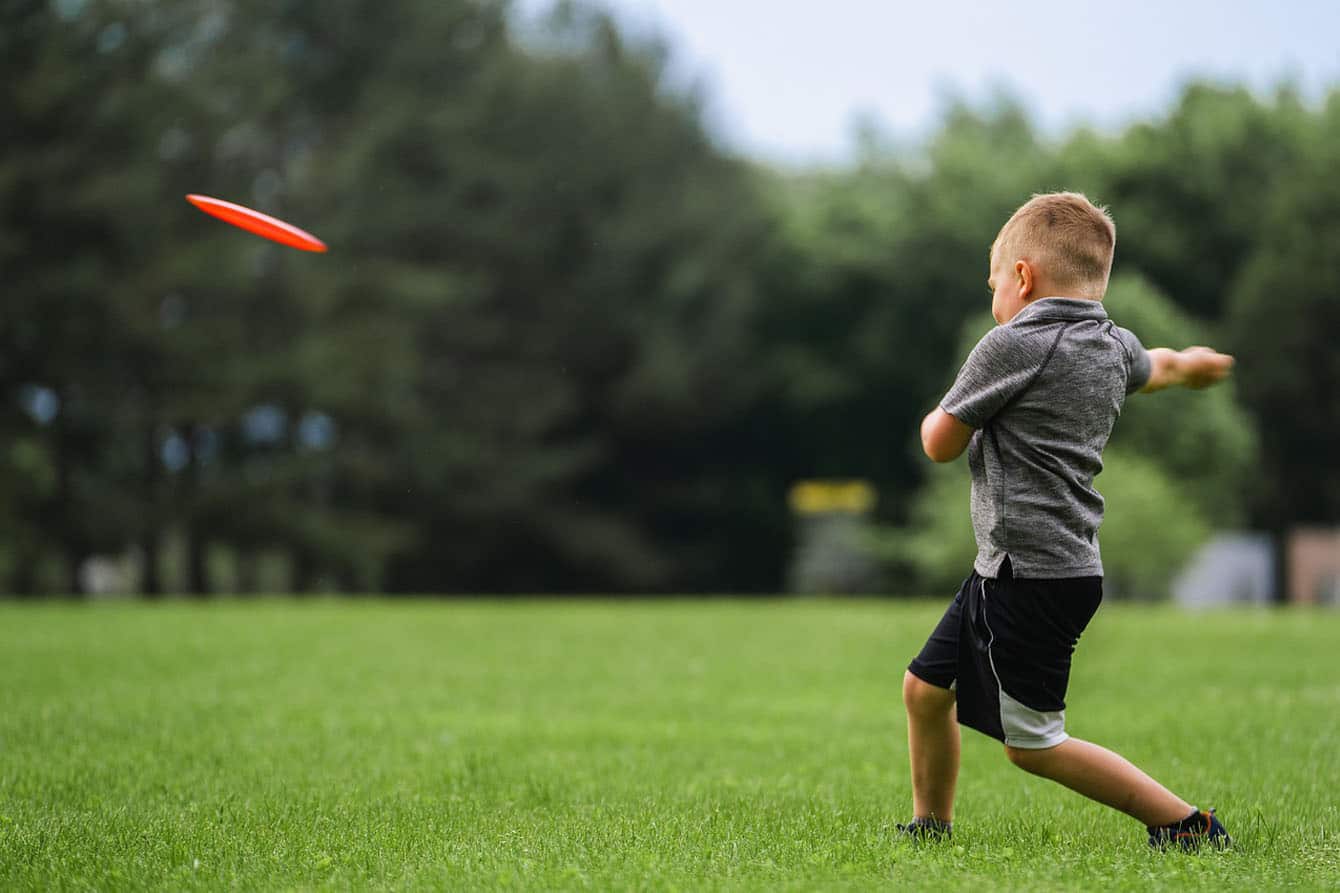
يعتمد مبدأ طيران الفريسبي على الديناميكا الهوائية والقصور الذاتي. من خلال الضبط المستمر لزاوية الرمي والسرعة والدوران، يمكن الحفاظ على الفريسبي في حالة طيران مستقرة في الهواء. وفي الوقت نفسه، يمكن أن تؤثر أيضًا طرق التحكم المختلفة، مثل الرمي باليد، والتحكم في الرياح، والتحكم الكهربائي، وما إلى ذلك، على مسار الطيران واستقرار الفريسبي. سنناقش في هذه المقالة مبدأ طيران الفريسبي وطرق التحكم المختلفة به وسيناريوهات تطبيقها.

المكونات والمبادئ الرئيسية للفريسبي
مكونات الفريسبي
تشمل المكونات الرئيسية للطبق الطائر الشكل والمادة والوزن والملمس السطحي. تصنع الأقراص الحديثة بشكل عام من مواد مثل البلاستيك أو المطاط أو البولي يوريثين، وعادة ما تكون مسطحة أو مستديرة أو شبه مستديرة، مع حواف مرتفعة ومركز مقعر. تختلف الفريسبي في الحجم والشكل والوزن لتناسب احتياجات الاستخدام المختلفة. عادةً ما يكون لسطح القرص ملمس وعر، مما يساعد على تحسين الإمساك بالقرص والتحكم فيه.
مبادئ الفريسبي
عندما يتم رمي القرص، فإنه يتعرض لمقاومة الهواء مما يؤدي إلى بدء الدوران. يتفاعل دوران القرص وتدفق الهواء لخلق الرفع والسحب، مما يسمح للقرص بالطيران والحفاظ على وضع مستقر. تؤثر المسافة بين مركز الجاذبية والمركز الديناميكي الهوائي للقرص أيضًا على خصائص الطيران للقرص.
عند رمي القرص، سيستمر محور دورانه في الحفاظ على دورانه في الهواء. يحافظ هذا الاستقرار الدوراني والقصور الذاتي على وضع القرص ومسار الطيران في الهواء.
باختصار، الفريسبي هي لعبة حركية تعتمد على الديناميكا الهوائية والقصور الذاتي. شكله ومادته ووزنه وملمس سطحه كلها خصائص لها تأثير على خصائص طيرانه. بالنسبة لعشاق رياضة القرص، فإن فهم تكوين القرص ومبادئه يمكن أن يساعدهم على إتقان مهارات الطيران والتحكم في القرص بشكل أفضل.
الميكانيكا الفيزيائية للطيران
بادئ ذي بدء، تشير الجاذبية إلى قوة جاذبية الأرض على القرص. بعد أن يتم رمي القرص سوف يخضع لتأثير الجاذبية والسقوط، دور الجاذبية هو جعل القرص يتسارع نحو الأسفل، ولكن أيضًا التحكم في ارتفاع القرص ونقطة الهبوط هو عامل مهم.
ثانيًا، تشير مقاومة الهواء إلى إعاقة القرص بواسطة الهواء. عندما يتحرك القرص في الهواء، فإن الهواء سيشكل مقاومة على القرص، مما يؤدي إلى إبطاء سرعة القرص ويجعله يقلل ارتفاعه تدريجياً. وفي الوقت نفسه، سيؤثر شكل القرص وملمسه السطحي أيضًا على حجم واتجاه مقاومة الهواء، وبالتالي يؤثر على خصائص الطيران للقرص.
وأخيرًا، الطفو هو القوة المؤثرة على القرص الموجود في الهواء نحو الأعلى. عندما يطير القرص عبر الهواء، فإنه يتفاعل مع الهواء، مما يخلق تدفقًا للهواء، ويخلق تدفق الهواء قوة طفو لأعلى على السطح السفلي للقرص. يساعد هذا الطفو القرص على الحفاظ على وضع طيران مستقر ويسمح له بالانزلاق بشكل أكبر في الهواء.
باختصار، الجاذبية ومقاومة الهواء والطفو هي التأثيرات الميكانيكية الرئيسية التي تؤثر على طيران القرص. بالنسبة لعشاق رياضة الأقراص، فإن فهم هذه الآليات يمكن أن يساعدهم على إتقان مهارات الطيران للأقراص وتحسين مسافة طيرانهم واستقرارهم.
المعلمات أثناء الرحلة وطرق القياس
تعد المعلمات مثل السرعة وزاوية الدوران وارتفاع القرص أثناء الطيران أمرًا بالغ الأهمية لمشغلات الأقراص لأنها تؤثر بشكل مباشر على مسار القرص ومسافة القرص. فيما يلي بعض القياسات الشائعة:
- السرعة: يمكن حساب سرعة الفريسبي عن طريق قياس المسافة وزمن الرحلة. سيستخدم بعض الرياضيين المتقدمين مقياس سرعة الدوران الراداري لقياس سرعة القرص للتحكم في الرحلة بشكل أكثر دقة.
- زاوية الدوران: زاوية دوران القرص مهمة جداً للتحكم في اتجاه الرحلة ومسافة الطيران. أثناء الرحلة، يمكنك الحكم على زاوية الدوران من خلال ملاحظة اتجاه وسرعة دوران القرص.
- الارتفاع: قياس ارتفاع القرص يمكن أن يساعد الرياضي على التحكم في ارتفاع وهبوط القرص لتحقيق مسافة طيران أطول. يمكن استخدام أدوات مثل مقياس الارتفاع بالليزر أو محدد المدى لقياس ارتفاع القرص.
بالإضافة إلى ذلك، هناك معلمات أخرى يمكن أن تؤثر على مسار الطيران ومسافة القرص، مثل وزن القرص وشكله وملمس سطحه. ولذلك، فإن عملية تصميم وتصنيع الأقراص تحتاج إلى تعديل وتحسين باستمرار لتحقيق أداء طيران أفضل.
تحليل وتحسين استقرار الطيران
يعد استقرار القرص عاملاً رئيسياً يؤثر على مسافة واتجاه رحلته. أثناء الرحلة، يحتاج القرص إلى الحفاظ على وضع طيران مستقر لتجنب الطيران خارج المسار المتوقع أو الانقلاب والسقوط على الأرض. وفيما يلي بعض العوامل التي تؤثر على استقرار القرص:
- مركز الثقل وتوزيع الوزن للقرص: لمركز الثقل وتوزيع الوزن للقرص تأثير مهم على ثباته. إذا كان مركز الجاذبية بعيدًا جدًا عن المركز، فسوف ينقلب القرص بسهولة أو يطير بشكل غير مستقر. لذلك، يجب أن يكون مركز ثقل القرص أقرب ما يكون إلى مركزه الهندسي، ويجب أن يكون توزيع الوزن متساويًا.
- شكل القرص وملمس سطحه: سيؤثر شكل القرص وملمس سطحه أيضًا على ثباته. تم تصميم بعض الأقراص الاحترافية بهندسة أكثر تعقيدًا وملمس سطحي لتحسين الثبات والأداء الديناميكي الهوائي للقرص.
- سرعة الطيران وزاوية الدوران: ستؤثر سرعة الطيران وزاوية دوران القرص أيضًا على استقراره. بشكل عام، تسهل الأقراص الحفاظ على وضع طيران مستقر بسرعات أعلى وزوايا دوران أصغر.
بالإضافة إلى ذلك، يعد أداء مقاومة الرياح أيضًا عاملاً مهمًا يؤثر على استقرار القرص. يجب أن تتمتع الأقراص بمقاومة كافية للرياح عند الطيران في ظل رياح قوية لتجنب تأثر الرحلة بالرياح وانحرافها عن المسار. من أجل تحسين مقاومة القرص للرياح، يمكنك استخدام تصميم أفضل للأداء الديناميكي الهوائي، أو زيادة وزن القرص لزيادة قصوره الذاتي.
في الختام، يعد استقرار القرص ومقاومته للرياح من العوامل المهمة التي يجب أخذها في الاعتبار عند تصميم وتصنيع القرص، وفقط من خلال ضمان هذه العوامل يمكن للقرص تحقيق مسافة طيران أكثر استقرارًا وأطول.

عملية تصنيع الفريسبي واختيار المواد
عمليات مختلفة
تؤثر عملية التصنيع واختيار المواد للقرص بشكل مباشر على أدائه. فيما يلي بعض عمليات التصنيع الشائعة واختيارات المواد وكيفية تأثيرها على أداء القرص:
- صب الضغط: صب الضغط هو عملية تصنيع الأقراص الشائعة. تنتج العملية أقراصًا مسطحة وناعمة ومتناسقة يمكن إنتاجها بسرعة وعلى نطاق واسع. ومع ذلك، فإن الأقراص المصنعة بهذه العملية قد تكون صلبة، وليس من السهل ثنيها، وليست مرنة بدرجة كافية.
- نفطة الفراغ: نفطة الفراغ هي طريقة لتشكيل الأجزاء المقولبة عن طريق ربط اللدائن الحرارية بسطح القالب عن طريق الشفط الفراغي. يمكن لهذه العملية إنتاج أقراص بأشكال وهياكل مختلفة وتسمح بالتحكم الدقيق في سمك المادة وقوتها. ومع ذلك، فإن العملية تواجه أيضًا مشاكل مثل ارتفاع تكاليف التصنيع والعمليات المعقدة.
- صناعة يدوية: صناعة يدوية هي طريقة تصنيع تقليدية. يمكن لهذه الطريقة تحقيق تصميم قرص شخصي وفني ويمكن تصنيعها باستخدام مجموعة متنوعة من المواد. ومع ذلك، قد تختلف جودة وأداء المنتجات المصنوعة يدويًا، وتكون كفاءة الإنتاج منخفضة نسبيًا.
اختيار المواد
فيما يتعلق باختيار المواد، تشمل المواد شائعة الاستخدام البولي يوريثين والبلاستيك والمطاط والسيليكون والخشب وما إلى ذلك. يمكن أن تؤثر المواد المختلفة على أداء القرص مثل المرونة والمتانة والوزن والمقاومة. على سبيل المثال، عادة ما تكون المواد البلاستيكية أخف وزنًا ويمكنها تحقيق مسافات طيران أطول، ولكنها قد تفتقر أيضًا إلى بعض المرونة والمقاومة اللازمة؛ توفر المواد المطاطية قبضة ومقاومة أفضل، ولكنها تزيد أيضًا من وزن القرص.
باختصار، يجب أن تعتمد عملية التصنيع واختيار المواد للقرص على أهداف التصميم وسيناريوهات الاستخدام. قد تؤثر عمليات التصنيع واختيارات المواد المختلفة على أداء القرص وتكلفته، لذلك يجب مراعاة جميع الجوانب لتحقيق أفضل نتائج التصنيع.
مقارنة طرق التحكم المختلفة وسيناريوهات التطبيق
يمكن تقسيم التحكم بالقرص إلى ثلاثة أنواع: الرمي اليدوي، التحكم بالرياح، والتحكم الكهربائي.
- التحكم في رمي اليد: التحكم في رمي اليد هو الطريقة الأكثر شيوعًا للتحكم في القرص. ويتحكم المستخدم في اتجاه القرص وارتفاعه عن طريق رميه باليد. طريقة التحكم بسيطة وسهلة التعلم، ومناسبة لمجموعة متنوعة من المشاهد الداخلية والخارجية.
- التحكم في الرياح: التحكم في الرياح هو التحكم في اتجاه القرص وارتفاعه من خلال التحكم في سرعة الرياح واتجاهها. على سبيل المثال، في رياضة ركوب الأمواج شراعيًا، يمكن للرياضيين التحكم في اتجاه القرص وارتفاعه عن طريق ضبط زاوية الطائرة الورقية والخط. تحتاج طريقة التحكم هذه إلى اتجاه قوي للرياح والرياح، وهو مناسب للبيئات الخارجية والرياح.
- التحكم الكهربائي: التحكم الكهربائي هو التحكم في اتجاه القرص وارتفاعه من خلال الأجهزة الإلكترونية مثل المحرك وجهاز التحكم عن بعد. طريقة التحكم هذه مناسبة للسيناريوهات التي تتطلب دقة أعلى، طيران عالي السرعة، ومسارات معقدة، مثل المسابقات الرياضية والبحث العلمي.
طرق التحكم المختلفة مناسبة للمشاهد والاحتياجات المختلفة. طريقة التحكم بالرمي اليدوي بسيطة وسهلة التعلم، ومناسبة للمشاهد المختلفة؛ تحتاج طريقة التحكم في الرياح إلى بيئة مناسبة وطاقة رياح مناسبة للأنشطة الخارجية؛ يمكن لطريقة التحكم الكهربائية أن تحقق دقة عالية وسرعة طيران عالية، ومناسبة للمسابقات التنافسية والبحث العلمي. ولذلك، عند اختيار طريقة التحكم في الفريسبي، نحتاج إلى مراعاة استخدام المشاهد والاحتياجات ودقة التحكم وعوامل أخرى لاختيار طريقة التحكم الأكثر ملاءمة.
مسار حركة القرص وطرق التحكم
يمكن أن يقدم الفريسبي أثناء الطيران مجموعة متنوعة من المسارات، والأكثر شيوعًا هي المسارات المكافئة والخط المستقيم والدوامة وما إلى ذلك.
- الحركة المكافئة: عندما يتم رمي القرص، تحت تأثير الجاذبية، يظهر مساره بشكل مكافئ. ويتميز هذا المسار بالسرعة الأولية وزاوية الإطلاق لتحديد أبعد مسافة وموضع هبوط القرص، وطريقة التحكم هي تغيير زاوية الرمي والسرعة الأولية للتحكم في موضع هبوط القرص.
- الحركة الخطية: عندما يتم رمي القرص في اتجاه أفقي، وأثناء الطيران يكون تدفق الهواء والقوى الخارجية صغيرة، فإن مسار القرص يكون على شكل خط مستقيم. ويتميز هذا المسار بثبات السرعة والاتجاه، وطريقة التحكم هي التحكم في مسار القرص عن طريق ضبط قوة الرمي واتجاهه.
- الحركة الحلزونية: أثناء الرمي، إذا أعطيت القرص قوة دوران، فسيظهر القرص مسارًا حلزونيًا أثناء الطيران. يتميز هذا النوع من المسارات بسرعة الدوران واتجاه الدوران لتحديد مسار وموضع هبوط القرص، وطريقة التحكم هي التحكم في مسار القرص عن طريق تغيير سرعة الدوران واتجاه الدوران.
يتطلب التحكم في مسار القرص طرق تحكم مختلفة وفقًا لخصائص المسارات المختلفة. على سبيل المثال، يمكن التحكم في المسار المكافئ للقرص عن طريق تغيير زاوية الرمي والسرعة الأولية؛ يمكن التحكم في المسار المستقيم للقرص عن طريق ضبط قوة الرمي واتجاهه؛ يمكن التحكم في المسار الحلزوني للقرص عن طريق تغيير سرعة الدوران واتجاه الدوران. للتحكم في مسار القرص، يحتاج المرء أيضًا إلى مراعاة اتجاه الرياح، ومقاومة الهواء، والعوامل الخارجية الأخرى على مسار القرص، والنظر الشامل في هذه العوامل للتحكم.
المشاكل والحلول المحتملة أثناء الرحلة
الفريسبي، باعتباره لعبة طائرة، قد يواجه بعض المشاكل في عملية الاستخدام. فيما يلي بعض المشاكل الشائعة والحلول المقابلة لها:
- عدم استقرار القرص: إذا كان القرص غير مستقر أثناء الطيران، فقد يكون ذلك بسبب أن رمية اليد ليست بالقوة أو الزاوية الصحيحة، أو أن مركز ثقل القرص لم يتم وضعه بشكل صحيح. الحل هو التأكد من أن قوة قذف اليد وزاويتها مناسبة ومحاولة ضبط موضع مركز ثقل القرص.
- مسافة طيران غير كافية: إذا كانت مسافة طيران القرص غير كافية، فقد يكون ذلك بسبب أن وزن القرص ثقيل جدًا أو أن المادة غير مناسبة. الحل هو اختيار قرص أخف أو استخدام مادة أكثر ملاءمة، مثل البولي يوريثين أو البولي إيثيلين أو البولي كربونات.
- التصاق الأقراص بيديك: إذا التصق القرص بيديك، فقد يكون ذلك بسبب وجود عرق على يديك أو لأن مادة القرص لزجة جدًا. الحل هو وضع بعض البودرة على يديك، مثل نشا الذرة، أو اختيار قرص يحتوي على مادة أكثر نعومة.
- من السهل قلب الأقراص: إذا كان من السهل قلب القرص أثناء الطيران، فقد يكون ذلك بسبب أن حافة القرص حادة جدًا، أو أن مركز الجاذبية ليس مناسبًا. الحل هو اختيار قرص ذو حواف أكثر سلاسة ومحاولة ضبط مركز ثقل القرص.
- يتأثر القرص بالرياح: إذا تأثر القرص بالرياح أثناء الطيران، فقد يتسبب ذلك في تغير مسار الرحلة أو عدم استقرار ارتفاع الرحلة. الحل هو اختيار قرص يتمتع بمقاومة أفضل للرياح أو ضبط زاوية الطيران وقوته وفقًا لاتجاه الرياح وظروف الرياح.
باختصار، لحل مشاكل القرص الطائر يجب اتخاذ التدابير المناسبة وفقًا للحالة المحددة. من خلال اختيار القرص المناسب، وضبط موضع مركز الجاذبية، والتحكم في زاوية الطيران، يمكن تحسين استقرار القرص وتأثير الطيران.

خاتمة
إن فهم الديناميكيات الهوائية وآليات التحكم وراء طيران القرص الطائر يقدم نظرة ثاقبة لحركته الآسرة. ومع استمرار المتحمسين والمصنعين على حد سواء في الابتكار، فإن مستقبل الأقراص الطائرة يعد بتطورات وتطبيقات أكثر إثارة.