
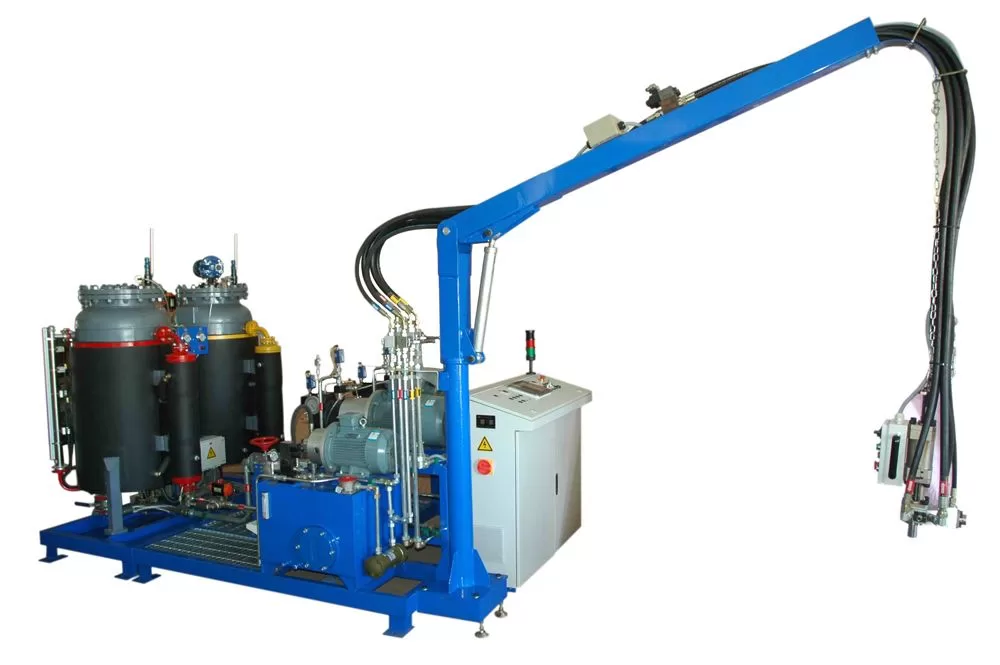
Os produtos de espuma de poliuretano são um tipo de produto polimérico amplamente utilizado na construção, transporte, eletrônicos e eletrodomésticos, medicina e outras áreas, e seu processo de produção é dividido principalmente em duas etapas: formação de espuma e moldagem. No processo de formação de espuma, a proporção e as condições de processamento de matérias-primas como polímero, catalisador, agente de expansão e estabilizador são controladas para produzir uma reação química na mistura, resultando em um grande número de bolhas e finalmente formando uma estrutura de espuma. No processo de moldagem, a espuma é processada por corte, extrusão e compressão para fazer vários formatos de produtos. Neste artigo, apresentaremos detalhadamente o processo de fabricação de produtos de espuma de poliuretano e suas áreas de aplicação.
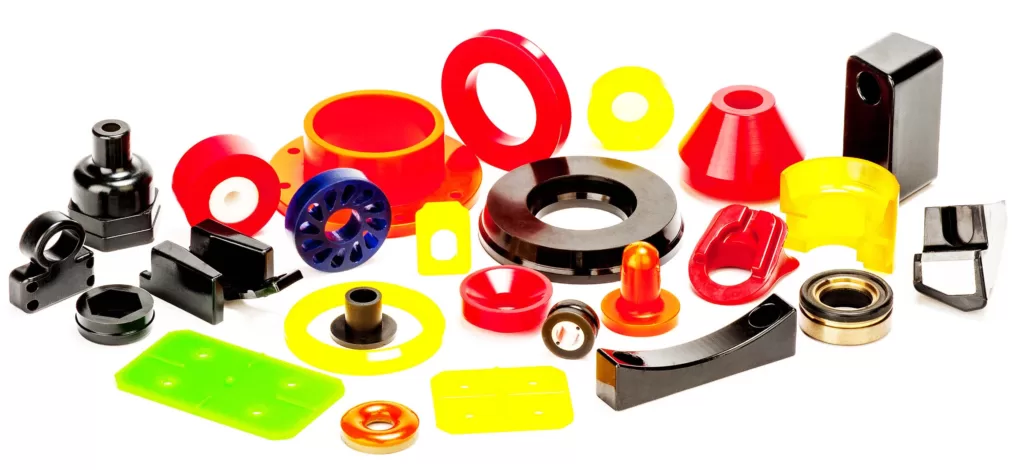
Visão geral dos produtos de espuma de poliuretano
Os produtos de espuma de poliuretano são um tipo de produto polimérico composto de agentes espumantes de poliuretano, estabilizadores, catalisadores, cargas e outras matérias-primas. A estrutura de espuma feita com ela possui excelentes características como leveza, alta resistência, preservação de calor, isolamento térmico, absorção sonora, resistência a choques e resistência à corrosão química. É amplamente utilizado na construção, transporte, eletrônicos e aparelhos elétricos, médicos e outros campos. Nossos assentos de carro, móveis e materiais de isolamento de tubos comuns têm a forma de espuma de poliuretano.
A espuma de poliuretano é dividida principalmente em duas categorias: espuma rígida e espuma macia. A espuma rígida tem características de alta resistência, resistência à pressão, preservação de calor e isolamento térmico, e é comumente usada na construção de paredes, telhados, pisos, painéis de isolamento, painéis de armazenamento refrigerado e outros campos. A espuma macia tem boa absorção sonora, à prova de choque, proteção de embalagens e outras características, e é comumente usada em setores automotivo, aviação, eletrodomésticos, móveis e outros campos.
O princípio da fabricação de produtos de espuma de poliuretano é controlar a proporção de matérias-primas e condições de processamento para que a mistura produza uma reação química, gerando um grande número de bolhas e finalmente formando uma estrutura de espuma. As matérias-primas no processo de formação de espuma incluem polímeros, catalisadores, agentes espumantes e estabilizantes. O polímero é o corpo principal do produto de espuma, o catalisador é usado para controlar a velocidade de formação de espuma, o agente de expansão produz bolhas e o estabilizador evita que as bolhas se quebrem.
Em geral, os produtos de espuma de poliuretano são um tipo de produto polimérico multifuncional e de alto desempenho com amplas perspectivas de aplicação.
Materiais
O material dos produtos de espuma de poliuretano consiste principalmente em duas partes: matéria-prima de poliuretano e agente espumante.
Matérias-primas de poliuretano
- Poliuretano tipo poliéter: utilizado principalmente para fazer espuma macia, com melhor maciez, elasticidade, resistência à água e resistência ao desgaste, adequado para assentos de automóveis, móveis e outras áreas.
- Poliuretano poliéster: utilizado principalmente para fazer espuma rígida, com alta resistência, dureza e resistência à pressão, adequada para construção, armazenamento refrigerado, papelão refrigerado e outras áreas.
- Poliuretano tipo poliol: utilizado principalmente na fabricação de elastômero, com melhor resistência ao desgaste e resistência ao óleo, adequado para automóveis, transporte ferroviário, aviação e outras áreas.
Agente Espumante
- Agentes de expansão físicos: como o Freon, são usados para formar espuma comprimindo e relaxando a pressão para difundir e dissolver o gás na matéria-prima do poliuretano.
- Agentes de expansão químicos: como água e isocianato, são agentes de expansão químicos adicionados à matéria-prima do poliuretano, que liberam gás por meio de uma reação química, formando espuma.
Além de matérias-primas de poliuretano e agentes de expansão, outros materiais auxiliares, como catalisadores, estabilizantes e pigmentos. são adicionados para fazer produtos de espuma de poliuretano. Esses materiais auxiliares podem melhorar o desempenho e a aparência da espuma e garantir a qualidade dos produtos.
Trabalho de Preparação
A fabricação de produtos de espuma de poliuretano requer uma preparação minuciosa para garantir a qualidade dos produtos e a segurança da produção.
- Limpeza: Antes de confeccionar, é necessário garantir que o ambiente de trabalho e os equipamentos estejam limpos para evitar a influência de poeira, graxa e outras impurezas nos produtos. , você precisa limpar o equipamento, como a máquina de espuma, o cabeçote de mistura e os tubos, para garantir que não haja resíduos e bloqueios para utilizar totalmente o desempenho do equipamento.
- Verifique o equipamento: Você precisa verificar o desempenho e as condições de funcionamento da máquina de espuma, bomba dosadora, cabeçote misturador, tubulação e outros equipamentos. , você precisa verificar se a temperatura, pressão, vazão e outros parâmetros da máquina de espuma estão normais para garantir que o equipamento possa funcionar de forma estável e que a qualidade dos produtos atenda aos requisitos.
- Ventilação: O processo de formação de espuma de poliuretano liberará odores e gases nocivos, o que terá certa influência na saúde dos operadores. Portanto, é necessário ventilar totalmente antes de fabricar produtos de espuma de poliuretano para expelir gases nocivos da área de trabalho e garantir a saúde e segurança dos operadores.
- Verificação de matérias-primas: Antes de fabricar, é necessário verificar se a qualidade e o desempenho das matérias-primas atendem aos requisitos. O tipo, proporção e qualidade das matérias-primas de poliuretano e dos agentes espumantes precisam ser verificados para garantir o desempenho e a qualidade dos produtos.
- Tratamento do molde em branco: O molde precisa ser tratado para garantir que a superfície do molde esteja lisa e livre de impurezas e poeira. Especialmente, o agente desmoldante precisa ser aplicado na superfície do molde para evitar que os produtos grudem no molde e para garantir a aparência e a qualidade dos produtos.
Fluxo do Processo
Há muitos detalhes na fabricação de produtos de espuma de poliuretano, mas o processo geral pode ser dividido nas cinco etapas a seguir:
- Preparar moldes: Primeiro prepare os moldes dos produtos de espuma de poliuretano a serem confeccionados. Certifique-se de que a superfície do molde esteja lisa e livre de impurezas e poeira, e aplique um agente desmoldante na superfície do molde para evitar que os produtos grudem no molde.
- Mistura de materiais: Em seguida, coloque as matérias-primas de poliuretano e o agente espumante na cabeça de mistura em uma determinada proporção e misture bem. Deve-se observar que parâmetros como tempo de mistura, proporção e temperatura precisam ser ajustados de acordo com o material e equipamento específico para garantir mistura uniforme e qualidade estável.
- Pulverização: O líquido misto de espuma de poliuretano é pulverizado no molde e deixado para expandir e curar naturalmente. Deve-se observar que a velocidade de pulverização e a espessura do líquido de espuma de poliuretano precisam ser controladas durante a pulverização para evitar superfícies irregulares e formação insuficiente de espuma dos produtos.
- Colocação e cura: Os produtos acabados de espuma de poliuretano são colocados em um ambiente bem ventilado e deixados para curar naturalmente. Deve-se observar que o tempo de cura e a temperatura dos produtos de espuma de poliuretano precisam ser ajustados de acordo com os materiais e produtos específicos para garantir uma cura adequada e qualidade estável.
- Pós-tratamento: Após a cura, os produtos de espuma de poliuretano precisam ser pós-tratados, incluindo corte, retificação e pulverização. Deve-se observar que o processo de pós-tratamento precisa ser ajustado de acordo com o tamanho, formato e utilização dos produtos para garantir que a aparência e a qualidade dos produtos atendam aos requisitos.
Conforme mencionado acima, o processo de fabricação de produtos de espuma de poliuretano é relativamente simples, incluindo principalmente a preparação de moldes, mistura de materiais, pulverização, colocação e cura e pós-tratamento. Deve-se observar que a proporção de mistura e a velocidade de pulverização precisam ser rigorosamente controladas durante o processo de produção para garantir a qualidade e estabilidade dos produtos.
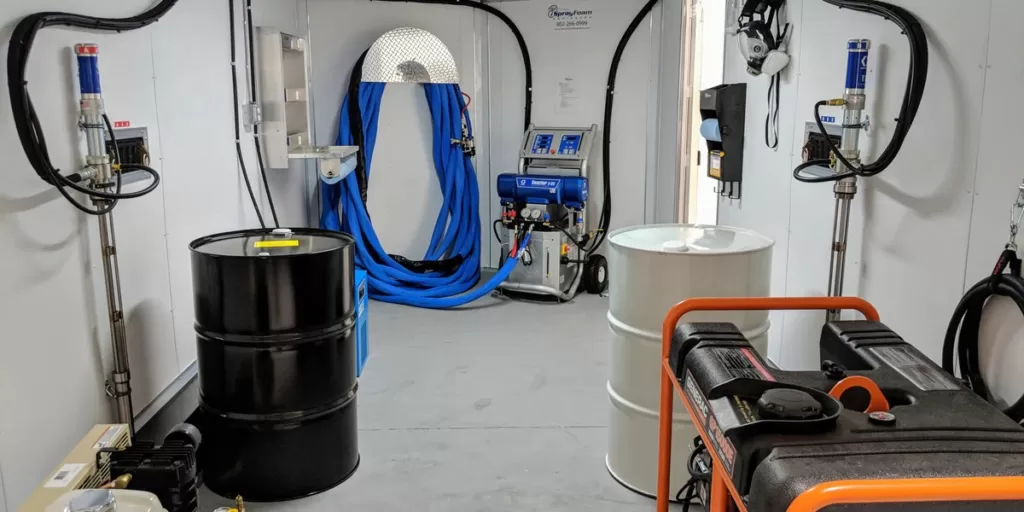
Tempo de cura
O tempo de cura de um produto de espuma de poliuretano é o tempo necessário desde o momento em que o material é misturado até que o produto esteja totalmente curado e estável. Normalmente, o tempo de cura dos produtos de espuma de poliuretano varia de algumas horas a vários dias.
O fator específico do tempo de cura depende de vários fatores, incluindo o tipo e proporção de materiais misturados, temperatura e umidade ambiente, tamanho e formato do molde e espessura do produto. Em geral, temperatura ambiente e umidade mais elevadas acelerarão o processo de cura dos produtos de espuma de poliuretano, enquanto temperatura ambiente e umidade mais baixas prolongarão o tempo de cura.
Além disso, o tempo de cura dos produtos de espuma de poliuretano também é influenciado pela espessura e formato do produto. Produtos mais espessos ou de formato mais complexo levarão mais tempo para curar porque a espuma de poliuretano requer mais tempo para curar completamente.
É importante observar que o tempo de cura dos produtos de espuma de poliuretano pode afetar o cronograma de produção e o tempo de uso, portanto, ao fabricar produtos de espuma de poliuretano, o tempo de cura precisa ser totalmente considerado e planejado para garantir que os produtos estejam totalmente curados e atendam aos requisitos.
Controle de qualidade
O controle de qualidade dos produtos de espuma de poliuretano é muito importante e pode ser controlado e garantido através das seguintes medidas e são necessárias, mas não todas:
- Controle de qualidade dos materiais: selecione matérias-primas de alta qualidade e garanta que cada lote de matéria-prima atenda aos padrões exigidos. As matérias-primas devem ser testadas regularmente e os itens de teste incluem densidade, viscosidade, valor de PH e assim por diante.
- Manutenção do equipamento: Verifique regularmente o desempenho e o status do equipamento para garantir a operação normal. Manutenção regular e conservação do equipamento, incluindo limpeza, lubrificação, substituição de peças de desgaste e assim por diante.
- Controle dos procedimentos operacionais: Padronizar a gestão do processo produtivo e fornecer treinamento profissional aos operadores para garantir que os procedimentos operacionais sejam corretos, padronizados e operáveis.
- Inspeção de qualidade: Inspeção de qualidade dos produtos de espuma de poliuretano, incluindo aparência, densidade, resistência, absorção de água e outros aspectos. Descarte os produtos não qualificados e analise e melhore os motivos.
- Controle ambiental: A oficina de produção para fabricação de produtos de espuma de poliuretano precisa ser mantida seca e bem ventilada, além de manter determinada temperatura e umidade. Evite que poeira, impurezas e outros poluentes entrem na oficina de produção.
Áreas de aplicação
Construção e Infraestrutura
Os produtos de espuma de poliuretano são amplamente utilizados no setor da construção para isolamento térmico, isolamento acústico e impermeabilização de edifícios. Por exemplo, folhas de espuma de poliuretano são comumente empregadas para isolar telhados e paredes externas. Além disso, os materiais de enchimento de espuma de poliuretano servem como vedantes eficazes para portas e janelas.
Aeroespacial e Transporte
A indústria aeroespacial encontra múltiplas aplicações para produtos de espuma de poliuretano. Esses produtos são usados para criar materiais de isolamento térmico para naves espaciais, almofadas antivibração e muito mais. No sector dos transportes, a espuma de poliuretano desempenha um papel fundamental no isolamento acústico e no amortecimento de vibrações para veículos como automóveis, comboios e aviões. Por exemplo, almofadas de assento de carro e forros de teto feitos de espuma de poliuretano podem mitigar o ruído e a vibração dentro do veículo, melhorando o conforto geral de condução.
Conservação Ambiental e Energética
Os produtos de espuma de poliuretano contribuem significativamente para a conservação de energia. Por exemplo, os painéis de isolamento de espuma de poliuretano podem reduzir drasticamente o consumo de energia de um edifício, levando à diminuição das contas de energia e à redução das emissões de carbono. No domínio da proteção ambiental, os sacos de espuma de poliuretano para embalagens podem minimizar a poluição ambiental. Além disso, os painéis de isolamento acústico de espuma de poliuretano podem ajudar na redução da poluição sonora.
Problemas e soluções comuns na produção
Problemas sempre ocorrerão inevitavelmente, sendo os principais os seguintes:
- Qualidade de espuma irregular: Pode ser que a proporção de mistura não esteja correta e a proporção de matérias-primas precise ser ajustada. Também é possível que a pulverização não seja uniforme, sendo necessário ajustar o ângulo e a distância da pulverização.
- Encolhimento da espuma: geralmente causado por baixa temperatura ambiente ou mistura irregular de matérias-primas. Pode ser resolvido aumentando a temperatura ambiente ou misturando novamente os materiais.
- Espuma insuficiente ou muito dura: A dureza insuficiente pode ser devido a uma proporção insuficiente de matérias-primas ou mistura irregular, e muito dura pode ser devido a uma proporção excessiva de matérias-primas ou ao tempo de cura muito longo da espuma. Necessidade de reajustar a proporção ou controlar o tempo de cura.
- Rachaduras na espuma: podem ser causadas por pulverização muito espessa ou umidade ambiente muito alta, resultando na cura irregular da espuma. Precisa controlar a espessura e a umidade da pulverização.
- Descoloração ou oxidação da espuma: Pode ser devido à matéria-prima não ser fresca ou armazenada por muito tempo, necessidade de substituição da nova matéria-prima ou fortalecimento do gerenciamento de armazenamento.
Para resolver esses problemas, as seguintes medidas podem ser tomadas:
- Controle rigorosamente a qualidade das matérias-primas e a proporção para garantir uma mistura uniforme.
- Melhorar a manutenção e reparação dos equipamentos para garantir a qualidade e estabilidade da pulverização.
- Controle a temperatura e a umidade do ambiente para garantir a uniformidade da cura da espuma.
- Fortalecer o gerenciamento do local de produção para evitar perdas causadas por operação inadequada ou problemas de qualidade.
A produção precisa ser rigorosamente controlada em todas as etapas para garantir uma qualidade estável. Ao mesmo tempo, problemas que possam surgir durante o processo produtivo precisam ser resolvidos a tempo de garantir a qualidade dos produtos e a eficiência da produção.
Precauções durante a produção
O poliuretano é um tipo de composto químico. Durante o processo de produção de produtos de poliuretano, serão emitidas substâncias nocivas. Portanto, as empresas devem colocar a segurança em primeiro lugar.
- Segurança em primeiro lugar: Durante o processo de produção, preste atenção à prevenção de incêndio e explosão e proteja você e as pessoas ao seu redor.
- Ventilação: Gases nocivos serão gerados durante a produção de produtos de espuma de poliuretano, portanto, um local bem ventilado deve ser selecionado para a produção e a circulação de ar deve ser garantida.
- Manutenção do equipamento: Verifique e mantenha regularmente o equipamento, mantenha-o limpo e evite que impurezas se misturem aos materiais.
- Armazenamento do material: Os materiais de poliuretano devem ser armazenados em local seco, fresco e ventilado, evitando luz solar direta e altas temperaturas.
- Proporção de mistura: Ao misturar matérias-primas de poliuretano, é necessário controlar com precisão a proporção de mistura, caso contrário afetará o desempenho e a qualidade do produto.
- Colocação do molde: Antes de despejar a matéria-prima mista de poliuretano no molde, é necessário colocar o molde na posição correta e garantir que a superfície interna do molde esteja limpa.
- Requisitos de proteção ambiental: A produção de produtos de espuma de poliuretano precisa atender aos requisitos de proteção ambiental para minimizar a geração de resíduos e substâncias nocivas.
Perspectiva de Mercado
O mercado de produtos de espuma de poliuretano está atualmente em um estágio de rápido desenvolvimento e a escala do mercado global continua a se expandir. Tomando como exemplo o campo da construção, os produtos de espuma de poliuretano são usados principalmente na construção de paredes, telhados, pisos, tubos, armazenamento refrigerado e outros campos, e têm excelentes propriedades como isolamento térmico, preservação de calor, prevenção de incêndio, resistência à umidade e isolamento acústico. De acordo com dados de agências de pesquisa de mercado, o mercado global de produtos de espuma de poliuretano atingiu US$ 12,5 bilhões em 2019 e deverá crescer para US$ 18 bilhões até 2025, com uma taxa composta de crescimento anual de 5,5%.
Na área automotiva, os produtos de espuma de poliuretano também são amplamente utilizados em isolamento acústico, absorção de choque, preservação de calor e outros aspectos do carro. Com o surgimento de novos veículos energéticos e o fortalecimento das tendências de automóveis leves, as perspectivas de aplicação de produtos de espuma de poliuretano serão mais amplas.
Além disso, com a melhoria da conscientização sobre conservação de energia e proteção ambiental, a aplicação de produtos de espuma de poliuretano em edifícios que economizam energia, aeroespacial, eletrônica, eletrodomésticos e outros campos está se expandindo gradualmente. Pode-se prever que a perspectiva do mercado de produtos de espuma de poliuretano continuará a manter um bom impulso de desenvolvimento.
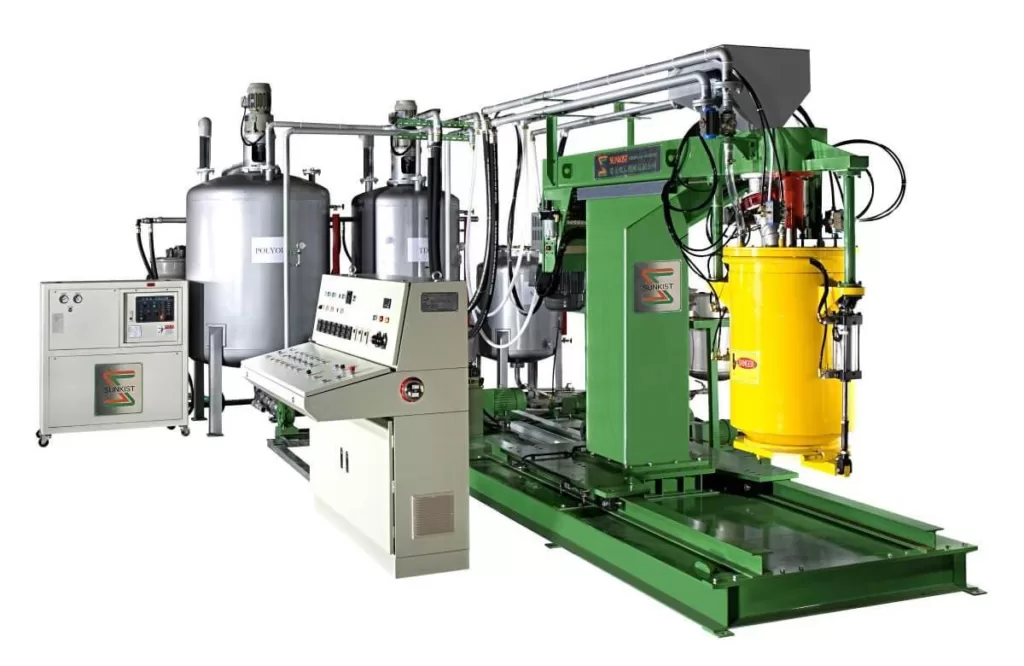
Conclusão
A compreensão do intrincado processo por trás da produção de espuma de poliuretano esclarece os esforços meticulosos e a precisão necessários para criar esses produtos versáteis. À medida que as indústrias continuam a evoluir, a procura por tais materiais adaptáveis é evidente. Ao compreender as nuances da sua produção, podemos apreciar melhor o valor e o potencial do poliuretano na formação do nosso mundo moderno.