

Os agentes desmoldantes têm um impacto importante nos produtos de espuma de poliuretano (PU), que podem desempenhar um papel na redução do atrito e na prevenção da adesão durante o processo de fabricação, garantindo assim uma superfície lisa e qualidade estável dos produtos. Além disso, a seleção e o uso corretos de agentes desmoldantes também podem melhorar a eficiência da produção, reduzir custos de produção e prolongar a vida útil do molde. Neste artigo, discutiremos a influência dos agentes desmoldantes em produtos de espuma de poliuretano e apresentaremos como selecionar e usar corretamente os agentes desmoldantes para obter os melhores resultados de produção.
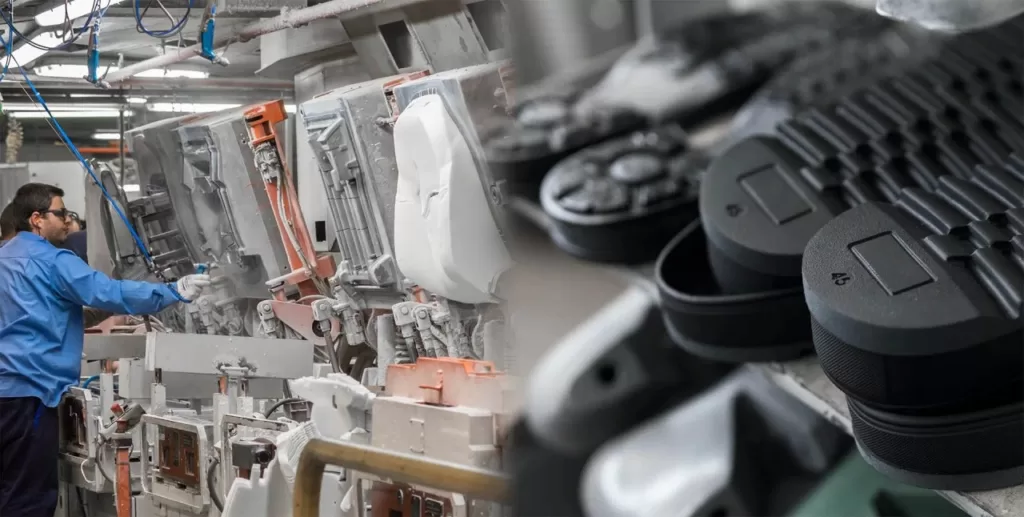
O que é o agente desmoldante?
Agentes desmoldantes são revestimentos químicos comumente usados em processos de fabricação cuja função principal é facilitar a separação entre o molde e o modelo. Eles geralmente são aplicados na superfície do molde para garantir que o produto acabado possa ser separado do molde suavemente e para evitar danos ou distorções devido à adesão. Os desmoldantes são geralmente usados na forma líquida, pastosa ou spray e possuem características como propriedades antiadesivas, anticorrosivas e lubrificantes.
Os principais componentes dos agentes desmoldantes incluem solventes, lubrificantes, cargas, espessantes e assim por diante. Diferentes processos de fabricação e materiais exigem o uso de diferentes tipos de agentes desmoldantes. Por exemplo, na fabricação de produtos plásticos, os agentes desmoldantes comuns são principalmente óleo de silicone e parafina líquida; na fabricação de produtos de borracha, geralmente é utilizada uma mistura de agente desmoldante e agente vulcanizante; e na fundição de metais, é necessário um agente desmoldante que seja estável a altas temperaturas.
O uso de agentes desmoldantes pode trazer múltiplos benefícios. Primeiro, prolonga a vida útil do molde porque o molde não é mais danificado por fricção e adesão frequentes. Em segundo lugar, um agente desmoldante pode reduzir os custos de produção porque reduz a taxa de danos ao produto acabado e aumenta a eficiência da produção, reduzindo o tempo de produção e os custos de mão de obra. Finalmente, o uso de agentes desmoldantes garante uma superfície lisa e perfeita no produto acabado, melhorando assim a qualidade do produto e a satisfação do cliente.
É importante ressaltar que as instruções e procedimentos de segurança devem ser rigorosamente seguidos na utilização de desmoldantes para evitar acidentes.
Qual é o processo de fabricação de produtos de espuma de poliuretano?
Devido a limitações de espaço, as etapas a seguir são brevemente resumidas e descritas com mais detalhes em meu artigo Etapas básicas na produção de produtos de poliuretano.
- Preparação de matéria-prima: Poliéter poliol, poliisocianato, catalisador, estabilizador, agente de expansão e outras matérias-primas são necessários para a produção de espuma de poliuretano. Essas matérias-primas precisam ser misturadas em certa proporção e as condições ambientais como temperatura e umidade são rigorosamente controladas.
- Formação de espuma: As matérias-primas misturadas são injetadas na máquina de formação de espuma e, sob a ação da máquina, o agente espumante nas matérias-primas começa a se expandir totalmente e a gerar um grande número de bolhas para formar espuma.
- Conformação: A espuma é injetada no molde e moldada dentro de um determinado período de tempo. A espuma de poliuretano pode ser usada para produzir vários formatos de produtos, como assentos, painéis de isolamento acústico, materiais de isolamento e assim por diante.
- Cura: Após a moldagem, a espuma de poliuretano precisa ser curada para melhorar sua resistência e estabilidade. O processo de cura requer controle de condições como temperatura e umidade, e tempos de cura específicos dependendo das necessidades dos diferentes produtos.
- Pintura e processamento: Após moldagem e cura, os produtos de espuma de poliuretano podem ser pintados e processados para alterar suas propriedades, como cor e formato da superfície.
Estas são as etapas básicas do processo de produção de produtos de espuma de poliuretano. O processo de produção específico pode variar dependendo de fatores como tipo de produto e aplicação.
Qual é o papel dos agentes desmoldantes na produção de produtos de espuma PU?
Especificamente, a função dos agentes desmoldantes inclui o seguinte:
- Reduza o atrito na superfície do molde: A produção de espuma de poliuretano requer a injeção de matérias-primas bem misturadas no molde para moldagem. Se o atrito na superfície do molde for muito grande, fará com que a matéria-prima não consiga preencher totalmente o interior do molde quando injetada, afetando assim a qualidade e suavidade da superfície do produto. O uso de um agente desmoldante pode efetivamente reduzir o atrito na superfície do molde para que a matéria-prima possa preencher melhor o interior do molde.
- Evite que os produtos grudem na superfície do molde: No processo de fabricação da espuma de poliuretano, os produtos moldados precisam ser retirados do molde. Se o produto aderir muito firmemente à superfície do molde, causará danos ao produto ou não poderá ser retirado. Um agente desmoldante pode evitar que o produto adira muito firmemente à superfície do molde, facilitando assim a remoção do produto.
- Melhorar a suavidade da superfície do produto: O uso de agentes desmoldantes pode formar uma fina película protetora ao moldar produtos de espuma de poliuretano, o que pode tornar a superfície do produto mais lisa.
- Prolongar a vida útil do molde: O uso de um agente desmoldante pode reduzir o desgaste do molde, reduzir a corrosão e oxidação da superfície do molde e, assim, prolongar a vida útil do molde.
Os agentes desmoldantes desempenham um papel vital na produção de produtos de espuma de poliuretano, melhorando a qualidade e produtividade do produto, reduzindo custos de produção, protegendo o molde e prolongando sua vida útil.
Quais são os tipos de agentes desmoldantes?
Classificação de acordo com a composição
- Agente de desmoldagem tipo óleo de silicone: O componente principal é o polidimetilsiloxano (PDMS), adequado para a liberação de vários produtos plásticos e produtos de borracha, e tem um bom efeito na desmoldagem.
- Agente desmoldante lubrificante: O principal componente é a cera de parafina ou cera, adequada para a liberação de grandes peças moldadas ou peças fundidas de metal de alta resistência, com bom efeito de lubrificação.
- Agente desmoldante sintético: Os principais componentes são compostos poliméricos sintetizados quimicamente, adequados para a liberação de diversos metais, cerâmicas e outros materiais, com boas propriedades anticorrosivas.
Classificação de acordo com o uso
- Agente desmoldante de metal: aplicável à liberação de materiais metálicos, como liga de alumínio e liga de magnésio.
- Agente desmoldante de borracha: aplicável à liberação de vários produtos de borracha, como vedações de borracha e acessórios para tubos de borracha.
- Agente desmoldante de plástico: aplicável à liberação de diversos produtos plásticos, como peças de injeção e peças de moldagem por sopro.
Classificação de acordo com a morfologia
- Agente de liberação de molde líquido: como agente de liberação de molde do tipo óleo de silicone líquido, agente de liberação de molde sintético líquido.
- Agente de liberação de molde sólido: como agente de liberação de molde tipo cera, pasta de liberação de molde de metal.
Existe uma ampla gama de agentes desmoldantes, e diferentes tipos de agentes desmoldantes são adequados para diferentes materiais e requisitos de desmoldagem.
Como os diferentes tipos de agentes desmoldantes afetam os produtos de espuma PU de maneira diferente?
Os desmoldantes à base de óleo de silicone geralmente têm excelentes efeitos de desmoldagem e podem deixar os produtos de espuma de poliuretano com superfícies lisas e perfeitas. No entanto, os agentes desmoldantes à base de óleo de silicone podem deixar uma película de óleo de silicone na superfície dos produtos de espuma de poliuretano, o que pode afetar a adesão do revestimento e do adesivo.
Já os desmoldantes lubrificantes proporcionam melhor lubrificação, o que facilita a moldagem e desmoldagem dos produtos de espuma de poliuretano. Porém, se usados em excesso ou selecionados incorretamente, podem deixar resíduos na superfície do produto de espuma de poliuretano e reduzir a qualidade da superfície.
Os agentes desmoldantes sintéticos proporcionam boa desmoldagem e resistência à corrosão, mas alguns ingredientes podem afetar negativamente a qualidade da superfície dos produtos de espuma de poliuretano.
Concluindo, a escolha do desmoldante adequado pode melhorar a eficiência da produção e a qualidade dos produtos de espuma de poliuretano, mas precisa ser selecionado e utilizado de acordo com a situação específica, a fim de evitar um impacto negativo nos produtos.
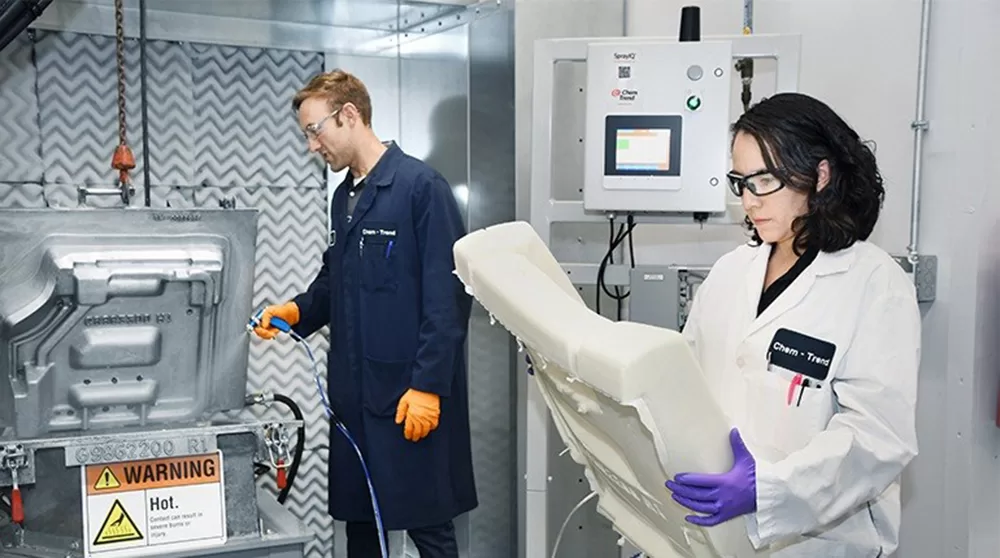
Quando preciso usar um agente desmoldante?
As principais situações que requerem o uso de desmoldantes incluem as seguintes:
- Quando os produtos de espuma de poliuretano precisam ser liberados do molde, o uso de um agente desmoldante pode reduzir o atrito e facilitar a liberação.
- Ao usar moldes complexos ou fabricar produtos maiores de espuma de poliuretano, o uso de agentes desmoldantes pode evitar que os produtos grudem nos moldes e proteger a vida útil dos moldes.
- Para produtos de espuma de poliuretano que requerem uma superfície lisa, o uso de agentes desmoldantes pode reduzir defeitos superficiais e melhorar a qualidade da superfície do produto.
- No processo de produção, os produtos de espuma de poliuretano podem aderir ao molde ou a outros materiais, o uso de agentes desmoldantes pode reduzir o fenômeno de adesão e melhorar a eficiência da produção.
Concluindo, o uso de desmoldantes pode melhorar a eficiência da produção, proteger o molde e melhorar a qualidade do produto, que desempenha um papel importante na produção de produtos de espuma de poliuretano.
Quais são os requisitos para a quantidade e método de aplicação do agente desmoldante?
Controle da quantidade utilizada
Ao usar o desmoldante, é necessário controlar a quantidade utilizada e evitar usar em excesso. O uso excessivo fará com que o agente desmoldante fique na superfície dos produtos de espuma de poliuretano, o que afetará a adesão e a qualidade da superfície dos produtos.
Revestimento uniforme
O agente desmoldante precisa ser revestido uniformemente na superfície do molde para garantir que cada parte do produto de espuma de poliuretano possa ser lubrificada e protegida pelo agente desmoldante.
Controle de tempo
O tempo de uso do agente desmoldante precisa ser controlado para evitar a liberação do molde muito cedo, antes do produto de espuma de poliuretano endurecer, ou muito tarde, após o produto de espuma de poliuretano endurecer.
Escolha um agente desmoldante adequado
De acordo com as condições de moldagem e requisitos dos produtos de espuma de poliuretano, escolha um agente desmoldante adequado para garantir que o agente desmoldante seja compatível com a superfície do produto e não afetará a qualidade do produto.
Segurança operacional
Ao usar o desmoldante, você precisa estar atento à segurança da operação, evitar o contato do desmoldante com a pele e os olhos, usar equipamentos de proteção adequados e manter uma boa ventilação.
O uso de agentes desmoldantes afeta a qualidade dos produtos de espuma PU?
O uso de agentes desmoldantes pode ter impacto na qualidade dos produtos de espuma de poliuretano, mas o impacto exato depende do tipo de agente desmoldante, do método de aplicação e da quantidade utilizada.
Usar o agente desmoldante correto, aplicá-lo uniformemente e controlar a quantidade utilizada não terá um impacto significativo na qualidade dos produtos de espuma de poliuretano. Pelo contrário, o uso de desmoldantes pode contribuir positivamente para a qualidade do produto, reduzindo o atrito, evitando a adesão do produto, protegendo o molde e melhorando a produtividade.
No entanto, se o agente desmoldante for usado em excesso, revestido de forma irregular ou por um período de tempo inadequado, pode levar ao resíduo do agente desmoldante na superfície dos produtos de espuma de poliuretano e afetar a adesão e a qualidade da superfície dos produtos. Além disso, alguns agentes desmoldantes inadequados podem reagir com os materiais dos produtos de espuma de poliuretano, causando problemas de qualidade.
Portanto, é necessário escolher agentes desmoldantes adequados, utilizá-los corretamente e controlar a quantidade utilizada, sendo necessários testes e controle de qualidade adequados para garantir a qualidade dos produtos de espuma de poliuretano.
Como manusear adequadamente os resíduos do agente desmoldante?
Com nossos anos de experiência em produção, podemos dizer que existem três maneiras comuns:
- Método de limpeza com pano úmido: Limpe a superfície dos produtos de espuma de poliuretano com um pano úmido para remover agentes desmoldantes residuais. Este método é adequado para casos em que o valor residual é pequeno.
- Método de limpeza com solvente: Limpe a superfície dos produtos de espuma de poliuretano com um solvente específico para remover o agente desmoldante residual. Este método é adequado para casos em que a quantidade residual é grande ou difícil de remover.
- Método de secagem com ar quente: Coloque os produtos de espuma de poliuretano no forno e seque-os com ar quente para remover o agente desmoldante residual. Este método é adequado para produtos com tolerância a altas temperaturas.
Ressalta-se que ao lidar com o resíduo do desmoldante, é necessário escolher o método adequado e prestar atenção na proteção da superfície do produto de espuma de poliuretano para evitar danos secundários ao produto. Ao mesmo tempo, é necessário controlar a quantidade utilizada na utilização do desmoldante para evitar resíduos excessivos.
Como escolher o agente desmoldante certo para obter a melhor qualidade de produto de espuma PU?
Escolher o agente desmoldante certo é a chave para obter produtos de espuma de poliuretano da melhor qualidade. A seguir estão algumas considerações para selecionar um agente desmoldante:
- Considere o tipo e os requisitos dos produtos de espuma de poliuretano: Diferentes tipos de produtos de espuma de poliuretano têm requisitos diferentes, como dureza, viscosidade e suavidade da superfície. É necessário escolher o desmoldante adequado de acordo com as necessidades do produto.
- Considere a composição e a natureza do agente desmoldante: Diferentes componentes do agente desmoldante têm efeitos diferentes nos produtos de espuma de poliuretano, como efeito na dureza, viscosidade e assim por diante. É necessário escolher o desmoldante que atenda aos requisitos do produto.
- Considere o método de uso e a dose do desmoldante: Os diferentes métodos de uso e doses também afetarão a qualidade do produto, portanto, é necessário escolher o método de uso e a dose adequados de acordo com a situação específica.
- Considere o preço e o respeito ao meio ambiente do agente desmoldante: O preço e o respeito ao meio ambiente também são fatores importantes na escolha do agente desmoldante. É necessário escolher agentes desmoldantes com preços razoáveis e ecologicamente corretos sob a premissa de atender aos requisitos do produto.
Deve-se notar que os fatores acima precisam ser levados em consideração ao selecionar o agente desmoldante e testados e ajustados na prática para obter produtos de espuma de poliuretano da melhor qualidade.
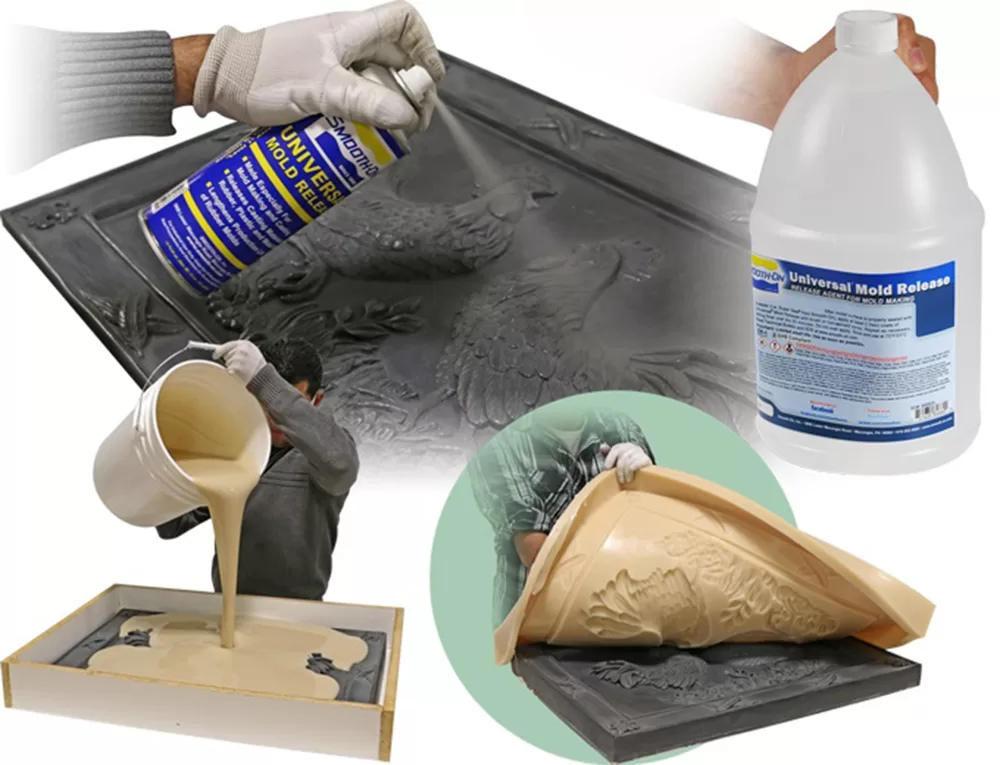
Conclusão
Este artigo fala principalmente sobre a classificação dos agentes desmoldantes comumente usados e seu impacto nos produtos de poliuretano. Como fabricante especializado na produção de produtos de poliuretano, o texto acima é um resumo de algumas experiências e esperamos que possa ser útil para você. Em nosso próximo artigo, abordaremos 10 agentes desmoldantes comumente usados. Se você está interessado em nossos produtos ou precisa personalizar e vender no atacado, pode entrar em contato conosco a qualquer momento.