
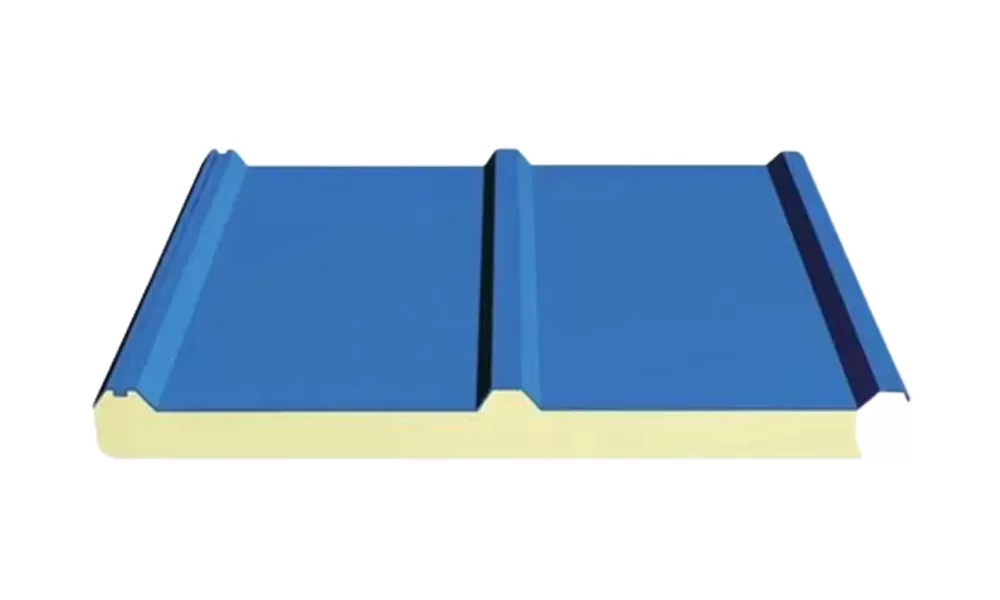
ポリウレタンフォームは、建築、輸送、家具などの分野で広く使用されている素材です。優れた断熱性能、耐久性、軽量性を備え、様々な分野で選ばれている素材です。しかし、製品の安全性や環境保護への要求の高まりに伴い、ポリウレタンフォーム製品の品質と安全性への注目も高まっています。したがって、製品の品質を確保し、消費者を保護するために、関連する試験基準を開発することが重要です。’ 権利と利益。この文書では、読者がポリウレタンフォーム製品の用途と品質保証をよりよく理解できるように、ポリウレタンフォーム製品の主な用途とその重要な試験基準を紹介します。
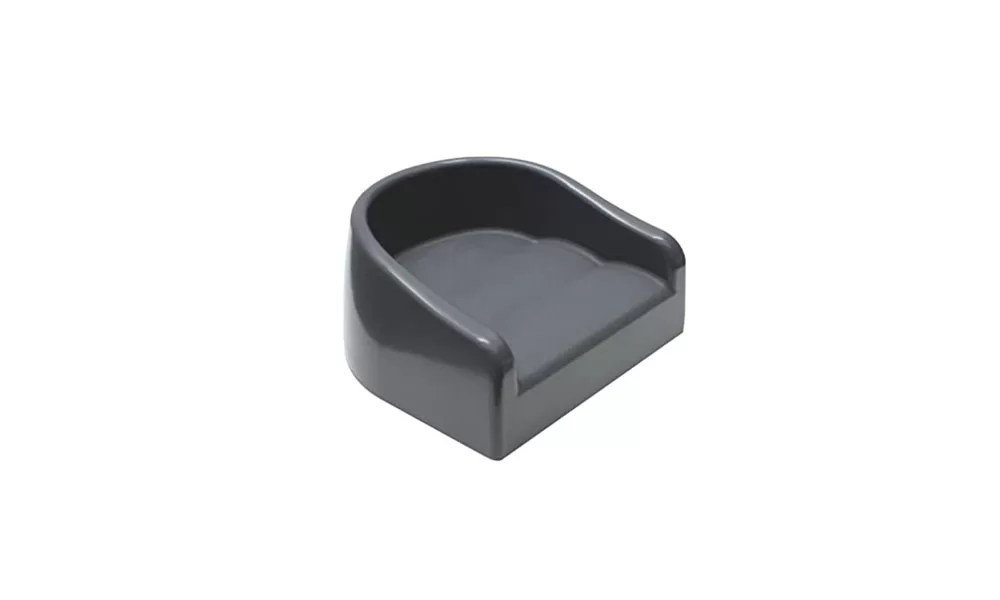
ポリウレタンフォーム製品とは何ですか?
ポリウレタンフォームは高分子化学反応によって作られる高分子材料の一種で、軽量、断熱性、耐火性などの特徴を持ち、建築、自動車、家電、航空宇宙などの分野で広く使用されています。
ポリウレタンフォームの歴史は、ドイツの化学者オットー・バイエルが高分子化学によってポリウレタンが合成できることを発見した1940年代に遡ります。その後数十年間、ポリウレタンフォームは広範囲に研究開発され、その用途は拡大しました。ポリウレタンフォームの開発は、次の主な段階を経て行われます。
- 初期段階(1940年代~1960年代):主に航空宇宙、建築断熱などの分野で使用。
- 開発段階(1970年代~1980年代):ポリウレタンフォーム材料の性能向上に伴い、自動車、船舶、家電など、その応用分野は徐々に拡大していきました。
- 成熟期(1990年代~現在):冷蔵庫、エアコン、断熱材の製造など、ポリウレタンフォーム材料の応用分野はさらに広がります。
現在、ポリウレタンフォーム材料は建築、自動車、家電、航空宇宙などの分野での応用が期待されています。は非常に幅広いです。たとえば、建築分野では、壁断熱、屋根断熱、地面断熱などにポリウレタンフォームを使用できます。自動車の分野では、ポリウレタンフォームはシート、ステアリングホイール、ドア、ルーフなどの部品の製造に使用されます。家電分野では、冷蔵庫、エアコン、給湯器などの製造にポリウレタンフォームが使用されています。
種類と分類基準
ポリウレタンフォーム製品は、化学構造、物理的特性、用途分野などのいくつかの側面に従って分類できます。分類基準によるポリウレタンフォーム製品の種類とその特徴は以下のとおりです。
化学構造による分類
- ポリエステルポリウレタンフォーム:ポリオールとポリ酸エステルから製造され、優れた耐熱性と強度を有し、高強度、高温、耐食性を備えた製品の製造に適しています。
- ポリエーテル系ポリウレタンフォーム:ポリオールとポリエーテルから製造され、柔軟性と靭性に優れ、ソフトな性能が要求される製品の製造に適しています。
- ハイブリッドポリウレタンフォーム:ポリエステル系原料とポリエーテル系原料を混合し、両者の長所を併せ持つ、より総合的なポリウレタンフォームです。
物性による分類
- 開放型ポリウレタンフォーム: さまざまなサイズの細孔があり、通常、吸音、遮音、耐震の分野で使用されます。
- 密閉型ポリウレタンフォーム:均一な孔径、良好な気密性、断熱、断熱などの分野で使用されます。
応用分野による分類
- 建築断熱板:建築物の断熱に使用され、開放型と密閉型の2種類に分かれます。
- 自動車シート:自動車の内装材の製造に使用され、柔らかさと快適性が向上します。
- 家電用断熱材:冷蔵庫、エアコン、給湯器などの家電製品に使用され、断熱性能が向上します。
- 航空宇宙用材料:航空宇宙機器の製造に使用され、軽量、高強度、耐高温性などの特性を備えています。
- 医療材料: プロテーゼやサポートロッドなどの医療機器の製造に使用され、生体適合性が良好です。
密度による分類
ポリウレタンフォームは密度によっても分類でき、通常、高密度、中密度、低密度の 3 つのタイプに分類されます。高密度ポリウレタンフォームの密度は100kg/m3以上、中密度ポリウレタンフォームの密度は50〜100kg/m3の間、低密度ポリウレタンフォームの密度は50kg/m3未満です。密度が異なるポリウレタンフォーム材料は、物理的特性と適用範囲が異なります。
硬さによる分類
ポリウレタンフォームは硬さに応じて分類することもでき、通常は硬質、半硬質、軟質の 3 種類に分類されます。硬質ポリウレタンフォームは硬度が高く、高強度製品の製造に適しています。半硬質ポリウレタンフォームは柔軟性と靭性に優れており、柔軟性と強度が要求される製品の製造に適しています。軟質ポリウレタンフォームは柔軟性と衝撃吸収性に優れており、衝撃吸収性が要求される製品の製造に適しています。
つまり、ポリウレタンフォーム製品はさまざまな分類基準に従って分類することができ、各タイプのポリウレタンフォーム材料には独自の特性と適用分野があり、特定の用途のニーズに応じて選択する必要があります。
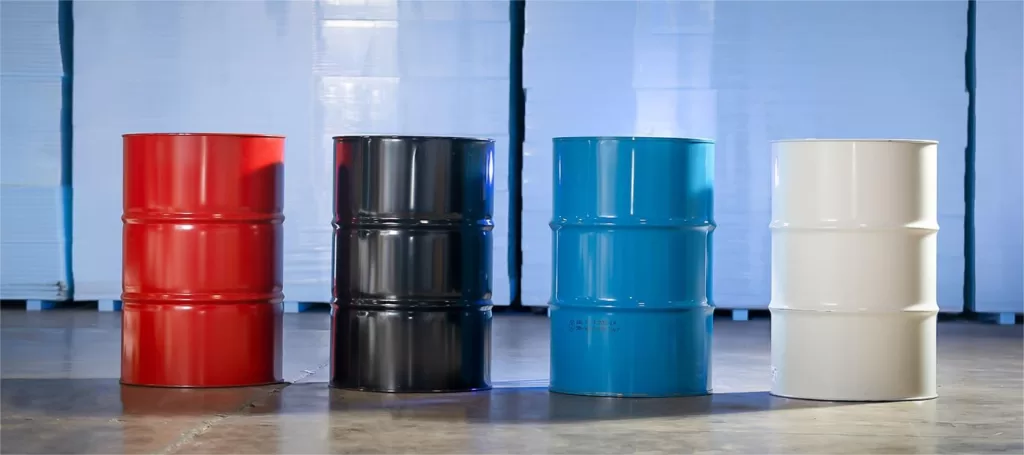
アプリケーション
ポリウレタンフォーム製品は、断熱性、保温性、吸音性、防水性、耐火性、耐圧性などに優れた性能を備えた素材であり、さまざまな分野で幅広い用途に使用されており、主な用途としては以下のようなものが挙げられます。
- 建設分野:断熱材として作られ、建物の壁、屋根、床、その他の部分に使用されるため、建物のエネルギー効率を効果的に向上させ、エネルギーを節約し、運営コストを削減できます。
- 輸送分野:自動車、飛行機、電車などの交通機関の断熱、衝撃吸収、騒音低減等に使用され、軽量化が図れ、車両の性能や快適性が向上します。
- 家具分野:弾力性や座り心地に優れた張地やシートなどに使用され、冷蔵庫や冷凍庫などの電気製品の断熱材にも使用されます。
- 電子分野:電子機器の安全性を保護する耐衝撃性、帯電防止性などの特性を備えた電子製品の包装材料として使用できます。
- 医療分野:医療機器の隔離・衝撃吸収部品や、生体適合性・機械的特性に優れた体外循環などの医療機器の材料としても利用可能です。
機能と性能
ポリウレタンフォーム製品は、主に以下のようなさまざまな優れた特性と特徴を持っています。
- 断熱性能:優れた断熱性能により、エネルギーの伝達と損失を効果的に低減でき、建築、冷凍機器、HVACなどの分野に適しています。
- 吸音・騒音低減性能:優れた吸音・騒音低減性能により、騒音の伝達と反射を低減し、環境の快適性と静粛性を向上させることができ、建築、交通、家具などの分野に適しています。
- 耐震性能:耐震性能が優れており、地震時の振動や損失を効果的に軽減でき、建設、橋、トンネルなどの分野に適しています。
- 耐火性能:優れた耐火性能により、火災の発生と延焼を軽減し、建築、輸送、その他の分野に適しています。
- 圧縮性能:優れた圧縮性能を持ち、変形や損傷を与えることなく大きな圧力に耐えることができ、建設、輸送、家具、その他の分野に適しています。
- 化学的安定性:化学的安定性に優れ、化学物質や水による侵食や影響を受けにくいため、長期使用が必要な場面に適しています。
- 加工性能:加工性能が良く、スプレー、射出、鋳造による加工・製造が可能で、さまざまな分野や製品のニーズに対応できます。同時に、ポリウレタンフォーム製品は他の材料と配合して、その性能と適用範囲を向上させることができます。
これらの特性により、ポリウレタンフォーム製品は建設、輸送、エレクトロニクス、医療、航空宇宙などの多くの分野で広く使用されています。
生産プロセス
ポリウレタンフォーム製品の製造工程は、一般に原料の調製、発泡、硬化などの工程から構成されます。
- 原料の準備:原料には一般的にポリアセタール、イソシアネート、触媒、安定剤、発泡剤などが含まれます。製品の品質と性能を確保するために、製造前にこれらの原材料を特定の割合で配合する必要があります。
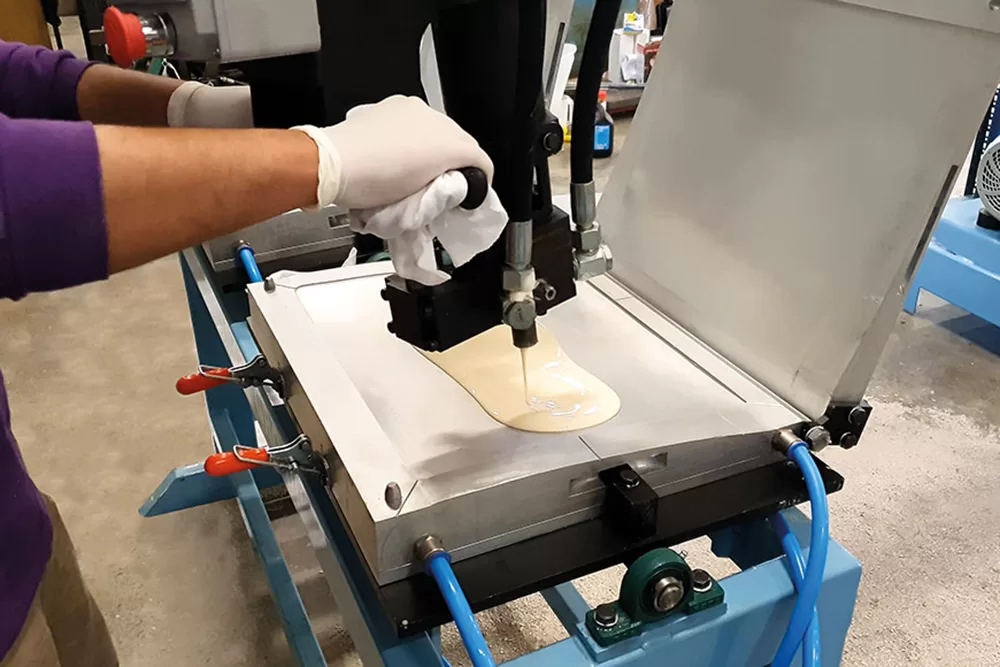
- 発泡:原料を調製後、発泡装置に投入して発泡させます。発泡設備は一般に、スプレー機、射出機、鋳造機などのさまざまな機器を採用しています。製品のさまざまな要件に応じて、さまざまな発泡方法が選択されます。発泡の過程で発泡剤が分解してガスが発生し、原料が膨張・発泡してポリウレタンフォームが形成されます。
- 硬化: 発泡ポリウレタンフォームを安定した形状と性能にするには、硬化する必要があります。硬化プロセスでは、周囲の温度や湿度、硬化時間や条件などの要因に注意する必要があります。
- 加工・成形:硬化後、ポリウレタンフォームを加工・成形することができます。加工方法は、さまざまな製品の要件を満たすために、通常、切断、トリミング、研削を採用します。成形は、加圧成形と金型成形により行うことができます。さまざまな形状やサイズのポリウレタンフォーム製品を製造します。
- 品質管理プロセス: 生産プロセスでは、製品の品質と性能が要件を満たしていることを確認するために、原材料、生産設備、完成品に対して厳格な品質管理が必要です。品質管理プロセスには、原材料の検査、生産設備の監視とメンテナンス、サンプリング、完成品の検査が含まれます。徹底した品質管理により、製品の安定性と信頼性を確保しています。
- 環境保護プロセス: 生産プロセスでは、汚染や環境への影響を避けるために環境保護の問題に注意を払う必要があります。環境保護プロセスには、廃棄物処理、廃水処理、排ガス処理、および環境保護装置や環境保護対策の使用を通じて廃棄物の排出と環境への悪影響を削減するためのその他のリンクが含まれます。
製品の安定性と品質を確保するためには、製造工程において原材料の品質と割合、発泡設備のパラメータと条件、硬化条件と時間などを厳密に管理する必要があることに注意してください。同時に、生産プロセスでは、環境やスタッフへのダメージを避けるために、環境保護や安全性などの側面に注意を払う必要があります。
環境パフォーマンスと基準
ポリウレタンフォーム材料は新しいタイプの建築材料として優れた性能を持っていますが、ポリウレタンフォーム製品の製造プロセスでは一定の環境汚染が発生します。したがって、環境と人の健康を守るためには、ポリウレタンフォーム製品の環境性能と規格が非常に重要です。
環境指標
ポリウレタンフォーム製品の主な環境指標には、VOC 放出、ホルムアルデヒド放出、持続可能性、ライフサイクル分析が含まれます。 VOCとは揮発性有機化合物を指し、大気汚染の主成分の一つであり、ホルムアルデヒドは人の健康に害を及ぼす可能性がある有害物質です。サステナビリティとは、製品の生産や使用に伴う環境への影響や資源利用を指しますが、ライフサイクル分析とは、原材料の調達、生産、輸送、使用から製品の廃棄に至るまでの全プロセスにおける環境への影響を指します。
環境基準
ポリウレタンフォーム製品の主な国際環境基準は以下のとおりです。
- EU REACH 規制: REACH は化学物質管理に関する EU 規制であり、EU で販売されるすべての化学物質は REACH 規制の範囲内で登録、評価、認可される必要があると規定しています。ポリウレタンフォーム製品も REACH の管理範囲に含まれており、関連する環境指標および基準を満たす必要があります。
- 米国 LEED 認証: LEED 認証は、ポリウレタン フォーム製品の使用を含む、建物および建築材料の環境パフォーマンスと持続可能性を評価するために米国グリーン ビルディング評議会によって発行される認証です。
- 中国 GB/T 規格: 中国国家標準化委員会は、ポリウレタン フォーム製品の環境指標と規格を含むポリウレタン フォーム製品の国家規格を発行しました。
- ISO 規格: 国際標準化機構は、ISO 14001 環境マネジメント システム規格など、ポリウレタン フォーム製品に関連するいくつかの環境規格も発行しています。
これらの規格はすべて、ポリウレタンフォーム製品の環境性能に対する厳しい要件を提示し、ポリウレタンフォーム製品の環境技術の継続的な改善を促進し、徐々により良い環境保護を達成します。
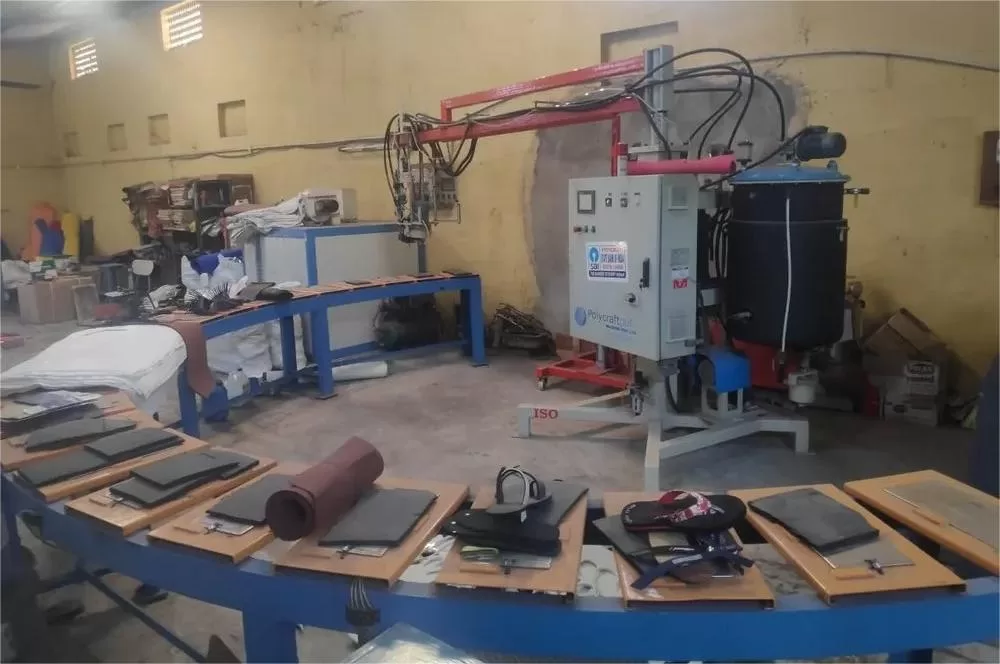
安全性能と規格
これは、ポリウレタンフォーム製品が製造および使用の過程で有害な化学物質や安全上の問題を生成する可能性があるためです。したがって、その安全性能と基準は重要な問題です。ポリウレタンフォーム製品の安全性能と規格について詳しく説明します。
安全インジケーター
- 熱伝導率:ポリウレタンフォームの熱伝導率が小さいほど、断熱性能が向上し、エネルギーの無駄と環境汚染を減らすことができます。
- Combustion performance: The combustion performance of polyurethane foam refers to its indicators such as burning speed and heat release in a fire. For applications in construction and other fields, polyurethane foam must meet the requirements of fire rating to ensure the safety performance of the building.
- Chemical stability: The chemical stability of polyurethane foam refers to its stability under exposure to air, water, light, and other factors. Some chemicals can corrode and degrade polyurethane foam, so the chemical stability of polyurethane foam must be ensured.
Safety Standards
- U.S. Standard: The Federal Aviation Administration (FAA) promulgated the “Specification for the Use of Polyurethane Foam Materials”、航空業界におけるポリウレタンフォーム製品の安全要件を規定しています。
- 欧州規格: 欧州標準化委員会 (CEN) は、ポリウレタンフォーム製品の物理的特性、燃焼特性、および化学的安定性の要件を規定するポリウレタンフォーム製品仕様 (EN 14315-1:2004) を公布しました。
- 中国規格: 中国国家標準化委員会が規格を公布しました。 “ポリウレタンフォームおよび製品” (GB/T 6343-2009) には、材料および物理的特性、熱安定性、難燃性、膨張性、および燃焼特性の要件が規定されています。ポリウレタンフォーム製品の紹介です。
これらの標準は、次の主要領域をカバーしています。
- Physical properties: Including the density, thermal conductivity, tensile strength, compressive strength, bending strength, and other physical property indexes of polyurethane foam products.
- Chemical stability: Including the chemical properties, heat resistance, weather resistance, and other requirements of polyurethane foam products.
- Combustion performance: Including the combustion performance indexes such as flame retardant performance, heat release, and smoke density of polyurethane foam products.
- Environmental friendliness: Including the requirements of environmental properties such as halogen-free, lead-free, and mercury-free polyurethane foam products.
In addition, polyurethane foam products need to meet the requirements of relevant laws and regulations in various countries, such as the European Union Regulation on Registration, Evaluation, Authorization, and Restriction of Chemicals (REACH), the U.S. Toxic Substances Control Act (TSCA), China Chemical Management Regulations, and so on. These regulations mainly require that polyurethane foam products do not produce harmful chemicals during the manufacturing and use process to ensure human health and environmental safety.
In general, the safety performance and standard of polyurethane foam products is a comprehensive issue, which needs to be considered from many aspects, such as physical properties, chemical stability, combustion properties, and environmental protection, to ensure its safety and environmental protection in the process of manufacturing and use.
Physical Properties and Testing Standards
物理的特性
- Density: The density of foam material refers to the mass per unit volume, which is generally expressed by kg/m³ or lb/ft³. Usually, the density of polyurethane foam ranges from 30-200kg/m³.
- 圧縮強度: フォーム材料の圧縮強度は、単位面積あたりの最大圧縮荷重を指し、通常は kPa または psi で表されます。ポリウレタンフォームの圧縮強度は一般的に100~300kPaです。
- 熱伝導率: フォーム材料の熱伝導率は、材料の単位厚さあたり、単位時間あたりに伝達される熱量を指し、通常は W/(m-K) または Btu/(hr-ft-°F) を使用して表されます。ポリウレタンフォームの熱伝導率は一般に0.018〜0.022W/(m・K)の間です。
- Water absorption rate: The water absorption rate of foam material is the ratio of the weight of water absorbed by the material to the initial weight of the material in a certain time, generally using % to express. The water absorption rate of polyurethane foam is generally between 2-5%.
Testing Standards
- ASTM standards: ASTM (American Society for Testing and Materials) has developed several standards related to foam materials, including standards for testing the physical properties of polyurethane foam products, such as ASTM D1622-08 (Compression performance test of polyurethane foam sheets and blocks), ASTM D1621-10 (compression strength test of polyurethane foam sheets and blocks), ASTM C518-17 (thermal conductivity test), and so on.
- 欧州 EN 規格: 欧州標準化機構 (CEN) もポリウレタンフォーム製品の物理的特性を標準化しています。このうち、EN 12086-1:2013(発泡断熱材。ポリウレタンフォーム。規格要求事項)とEN 13165:2012(建築用断熱材。ポリウレタンフォーム製品。仕様要求事項)はポリウレタンフォームに関する規格です。
- 中国 GB 規格: GB/T 6343-2009 (発泡ポリウレタン プラスチックおよび製品の物理的特性の試験方法)、GB/T 1636-2010 (硬質フォームの物理的特性の試験方法)、および GB/T 17794-2008 (ポリウレタン フォーム シートおよびブロックの圧縮特性の試験方法) などの中国の国家規格も、ポリウレタン フォーム製品の物理的特性を規制しています。圧縮特性試験法)などの規格に準拠しています。
- International ISO standards: The International Organization for Standardization (ISO) has also formulated several standards related to foam materials, including standards for testing the physical properties of polyurethane foam products, such as ISO 845-2006 (test method for compression properties of foam. Test method for compression properties of rigid foam), ISO 1923-1:2017 (Foam. Test methods for polyurethane foam), and so on.
一般に、ポリウレタンフォーム製品の試験基準は他のフォーム材料の試験基準と同様であり、通常、密度、圧縮強度、熱伝導率、吸水率、その他の指標の試験が含まれます。これらの規格は、製品の品質管理と標準化された生産において重要な役割を果たし、製品の使用の有効性と安全性を保証するのにも役立ちます。
化学的性質と試験基準
化学的性質
- 組成: ポリウレタンフォーム製品は通常、イソシアネート、ポリエーテルポリオール、触媒、発泡剤、添加剤、およびその他の成分の混合物から作られます。このうち、イソシアネートとポリエーテルポリオールの種類と割合が発泡材料の性能と用途を決定します。
- Reaction nature: Polyurethane foam products are produced by the polymerization reaction of isocyanate and polyether polyol, whose reaction rate, hardening time, reaction heat, and other properties affect the foaming performance, density, and physical properties of the products.
- Stability: The stability of polyurethane foam products includes their water resistance, oxidation resistance, UV radiation resistance, and so on. The goodness of these properties determines the service life and durability of the products.
Testing Standards
- Component analysis: The content and types of various components in foam products are tested by using analytical methods such as chromatography and infrared spectroscopy.
- Reaction performance testing: Including tests on polymerization reaction kinetics, hardening time, reaction heat, polymerization degree, and so on.
- Stability test: Including water resistance, oxidation resistance, UV radiation resistance, and other aspects of the test.
- 燃焼性能試験:燃焼等級、煙濃度、有毒ガス排出量などの試験を含みます。
化学的性能試験の一般的な国際規格には、ASTM C1639-16 (ポリウレタン フォーム中のアルコール含有量を測定するための標準試験方法)、ASTM D6342-12 (ポリウレタン フォーム中のイソシアネート含有量の試験方法)、および ISO 4892-3:2016 (プラスチックの耐光性の測定) が含まれます。 – パート 3: 人工キセノン アーク光源への曝露に関する臨床検査方法)。
品質管理と試験技術
Quality control is an important part of the production process to ensure that the product meets quality requirements. The following are common quality control methods for polyurethane foam products:
Control Method
- Raw material control: The quality of raw materials needs to be controlled during the production process to ensure that the raw materials meet the product requirements. Comprehensive testing and evaluation of raw materials, including testing their composition, purity, moisture content, and so on.
- Production process control: Through strict production process control, including equipment control, control of reaction temperature, time, pressure, and other parameters, to ensure the quality stability and consistency of the products.
- Product testing: Comprehensive inspection and testing of products, including appearance inspection, physical property testing, and chemical property testing to ensure that the products meet the relevant standards and requirements.
Testing Technology
- Density measurement: Measure the density of polyurethane foam products by using a densitometer and other equipment to detect whether the porosity and density of the foam material meet the requirements.
- Tensile strength measurement: The tensile strength of polyurethane foam products is measured by equipment such as a tensile tester to detect whether its mechanical properties meet the requirements.
- Compression strength measurement: The compression strength of polyurethane foam products is measured by a compression tester and other equipment to test whether its compression resistance meets the requirements.
- Thermal stability measurement: The thermal stability of polyurethane foam products is measured by a thermogravimetric analyzer and other equipment to test whether the heat resistance performance meets the requirements.
Common international technical standards for testing polyurethane foam products include ASTM D1622-17 (test method for density and porosity of polyurethane foam materials), ASTM D3574-17 (test method for flexible foam polymeric materials), ASTM D1621-17 (test method for compression properties), and so on.
結論
Polyurethane foam’s adaptability and performance make it indispensable in modern industries. By understanding its properties, applications, and the standards governing its use, one can harness its full potential responsibly. As we continue to innovate, it’s crucial to ensure that such materials are produced and utilized sustainably, keeping both environmental and safety concerns at the forefront.