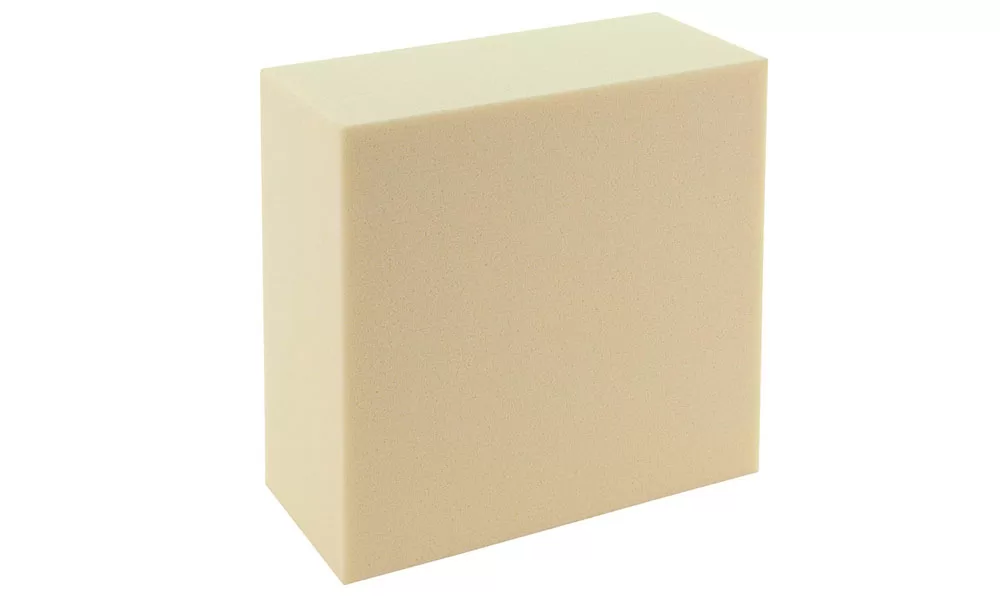
ポリウレタン材料の基本特性と試験方法

ポリウレタン素材の基本特性と試験方法 アイキャッチ画像
ディレクトリ

Polyurethane is a common polymeric material with strong physical and chemical properties. Usually made by the reaction of isocyanate and polyol, it has good wear resistance, corrosion resistance, oxidation resistance, and heat resistance. They are widely used in industrial, construction, medical, and automotive fields. However, the performance of polyurethane materials is affected by factors such as preparation methods, formulations, and processes, so a series of tests are required to evaluate their performance.

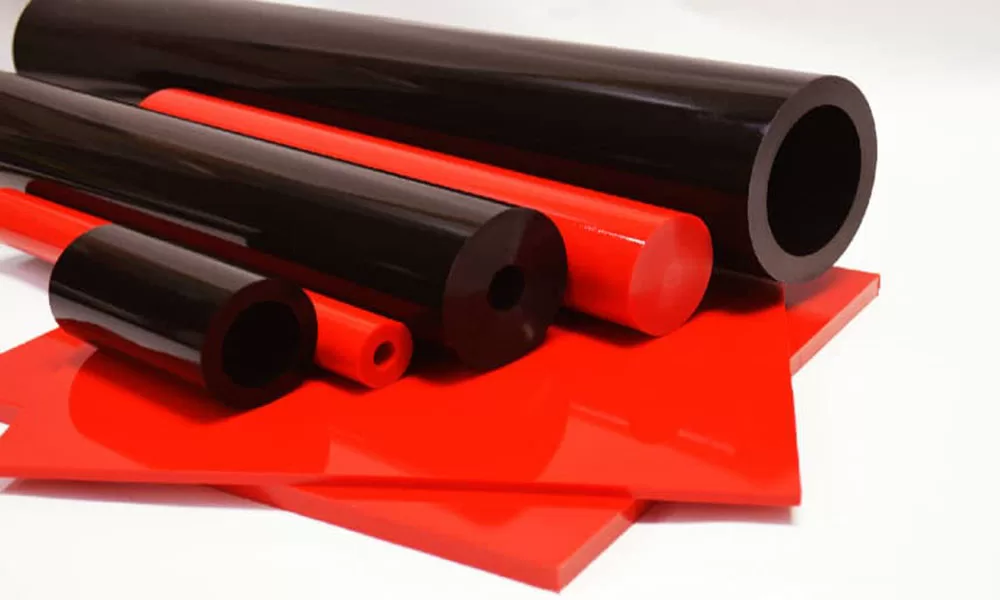
Basic Properties of Polyurethane Materials and Test Methods Illustration 1

Definition and Classification

Polyurethane (PU) is a polymer material generated by the reaction of isocyanate and polyol (or polyether, polyester, and so on.)。建設、輸送、医療、家具、電子機器、包装などの分野で広く使用されています。

  • 硬質ポリウレタン:ポリウレタンフォームとも呼ばれ、断熱、断熱、充填、模型などに使用され、軽量、断熱、吸音などの特性を持っています。
  • 軟質ポリウレタン: エラストマーとしても知られ、クッション、シート、枕、マットレス、靴パッドの製造に一般的に使用されます。弾力性、快適性、耐摩耗性に優れています。
  • ポリウレタンコーティング:主に表面コーティング、防食などの分野に使用され、耐薬品性、耐摩耗性、耐水性などに優れています。
  • Polyurethane elastomer: Mainly used in the manufacture of casters, handrails, and shock absorbers, with good elasticity, wear resistance, and chemical resistance.
  • Polyurethane fiber: Commonly used in the manufacture of fabrics, bulletproof vests, and insulation materials, with lightweight, high strength, good abrasion resistance, and so on.
  • Other polyurethane products: Such as polyurethane glue, sealant, and adhesive for construction, have wide application prospects.

Basic Composition and Characteristics

Basic Composition

  • Isocyanate: Isocyanate is one of the main raw materials of polyurethane materials, usually diisocyanate or polyisocyanate, which contains two isocyanate groups (N=C=O) in its chemical structure.
  • Polyol: Polyol is another main raw material of polyurethane materials, including polyether polyol polyester polyol, and so on. Its chemical structure contains several hydroxyl groups (-OH).
  • Long-chain molecules: The formation of polyurethane materials requires the reaction of isocyanates with polyols to produce long-chain molecules, thus forming polymers.

Material Properties

  • Good abrasion resistance: It has good abrasion resistance and is suitable for manufacturing high-strength and high-abrasion-resistant products.
  • Good corrosion resistance: It has good corrosion resistance and can be used to manufacture products with corrosion resistance.
  • Good resistance to high temperature: It has good resistance to high temperature and can be used to manufacture products in high-temperature environments.
  • It can be prepared into various shapes: It can be prepared into various shapes through different preparation processes, such as rigid foam, soft foam, coating, elastomer, and so on.

Preparation Method and Process Flow

Polyurethane materials are usually prepared by the pre-polymer mixing method, and the specific process flow is as follows:

  • Raw material preparation: Mix the isocyanate and polyol in a certain ratio, which usually needs to be done under certain temperature and humidity conditions to avoid moisture in the material.
  • Reaction mixing: Add the mixed isocyanate and polyol into the mixer, control the reaction temperature and time, and make them react to produce polyurethane material.
  • 安定化処理:性能の安定性を向上させるために、反応後のポリウレタン材料を安定化する必要があります。
  • 加工および成形: 安定化されたポリウレタン材料は、加工および成形装置によってさまざまな形状に準備されます。

The specific process can be adjusted and optimized according to different preparation needs, for example, additives can be added during the reaction mixing process to improve the polymerization speed and reduce the viscosity, and different molding methods can be chosen during the processing and molding process, such as injection molding, calendering, and spraying. It should be noted that the reaction conditions need to be controlled during the preparation of polyurethane materials in order to avoid the generation of harmful volatile substances. Also, the formulation and preparation process of polyurethane materials needs to be optimized according to different application requirements in order to obtain better performance.

Physical Properties Test Methods

Different test methods are applicable to different physical performance indicators, so it is necessary to select the appropriate test method according to the specific needs and purposes when conducting tests to obtain accurate test results. At the same time, test standards and specifications need to be followed to ensure the reliability and accuracy of the testing process.

  • Density test: Measure the mass and volume of the material to calculate its density, The common test methods are the water displacement method and gas displacement method.
  • Hardness test: Used to characterize the hardness and elasticity of the material, commonly used test methods are Rockwell hardness, Barr’s hardness, Dürr’s hardness, and so on.
  • 引張試験: 一般的に使用される試験方法は、引張試験機と万能材料試験機です。
  • 圧縮試験: 一般的な試験方法には圧縮試験機が使用されます。
  • 曲げ試験:一般的な試験方法は3点曲げ試験機と4点曲げ試験機です。
  • 摩耗試験:一般的な試験方法は滑り摩耗試験機と回転摩耗試験機です。
  • 熱性能試験:一般的な試験方法は、熱膨張係数試験、熱伝導率試験、比熱容量試験などです。
  • 衝撃試験:材料の衝撃靱性と耐衝撃性を試験するために使用され、試験にはシャルピー衝撃試験機を使用します。
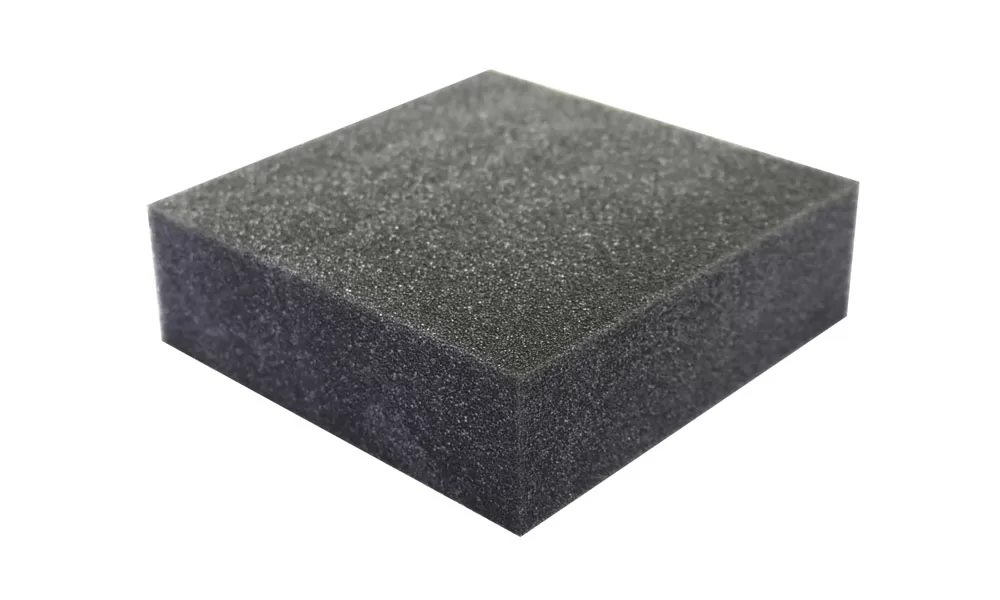
ポリウレタン材料の基本特性と試験方法 図2

熱性能試験方法

Test methods for the thermal properties of polyurethane materials include the following:

  • Thermal expansion coefficient test: Used to test the amount of linear or bulk expansion of the material caused by temperature changes, usually using a thermal expansion coefficient meter for testing.
  • Thermal conductivity test: Used to test the thermal conductivity of the material, usually using a thermal conductivity meter for testing.
  • Thermal expansion rate test: Used to test the thermal expansion rate of the material, usually using the thermal expansion meter for testing.
  • Thermal decomposition temperature test: Used to test the thermal stability of the material at high temperatures, usually using a thermal decomposition instrument for testing.
  • Specific heat capacity test: Used to test the specific heat capacity of the material, usually using a differential scanning calorimeter for testing.

Electrical Performance Test Methods

Test methods for the electrical properties of polyurethane materials include the following:

  • Resistivity test: Used to test the resistivity of the material, usually using the four-terminal method for testing.
  • Insulation resistance test: Used to test the insulation properties of the material, usually using an insulation resistance tester for testing.
  • Dielectric constant and dielectric loss test: Used to test the dielectric properties of the material, usually using a dielectric loss tester for testing.
  • 破壊電圧試験: 材料の破壊電圧を試験するために使用され、通常は試験用に高電圧コロナテスターが使用されます。

耐薬品性試験方法

ポリウレタン材料の耐薬品性の試験方法には次のようなものがあります。

  • 耐酸性および耐アルカリ性試験: 酸およびアルカリ媒体中での材料の耐食性を試験するために使用され、通常は浸漬法または噴霧法で試験されます。
  • 耐溶剤性試験:有機溶剤に対する材料の溶解耐性を試験するために使用され、通常は浸漬法またはスプレー法で試験されます。
  • 耐酸化性試験:酸化剤の作用下での材料の耐酸化​​性を試験するために使用され、通常、試験には加熱法または浸漬法が使用されます。
  • 耐紫外線試験: 紫外線照射下での材料の耐光老化性を試験するために使用され、通常は試験に UV 老化試験機を使用します。

耐摩耗性試験方法

ポリウレタン材料の耐摩耗性の試験方法には次のものがあります。

  • 摩耗試験: 摩擦や摩耗の作用下での材料の性能を試験するために使用され、通常は回転摩耗試験機、滑り摩耗試験機、または砥石車摩耗試験機を使用して試験します。
  • Impact Wear Test: To test the performance of a material under the action of impact and abrasion, usually using an impact wear tester.
  • Friction coefficient test: It is used to test the performance of the material under the action of friction, usually using a friction coefficient tester.

Application Areas and Outlook

Polyurethane materials have excellent physical, chemical, and mechanical properties and are therefore used in a wide range of applications, including:

  • Construction field: Used in heat insulation, sound insulation, waterproofing, and anti-corrosion, such as insulation board, waterproof coating, asphalt-based materials, and so on.
  • Transportation field: Used in the manufacture of automobiles, airplanes, trains, and other means of transportation, such as bodies, seats, tires, seals, and so on.
  • Furniture field: Used in the manufacture of furniture and mattresses, such as sofas, mattresses, chairs, massage pillows, and so on.
  • Medical and health field: Used in the manufacture of medical equipment and artificial organs, such as artificial hearts, artificial bones, syringes, and so on.
  • Electronic and electrical fields: Used in the manufacture of electronic components, insulating materials, cables, such as electronic components, wires, cable insulation materials, and so on.

将来的には、科学技術の継続的な進歩とポリウレタン材料の製造プロセスの継続的な改善に伴い、ポリウレタン材料の応用分野は拡大し続け、特に新エネルギーや新材料などのハイエンド材料の分野では、ポリウレタン材料の応用の可能性はさらに広がるでしょう。
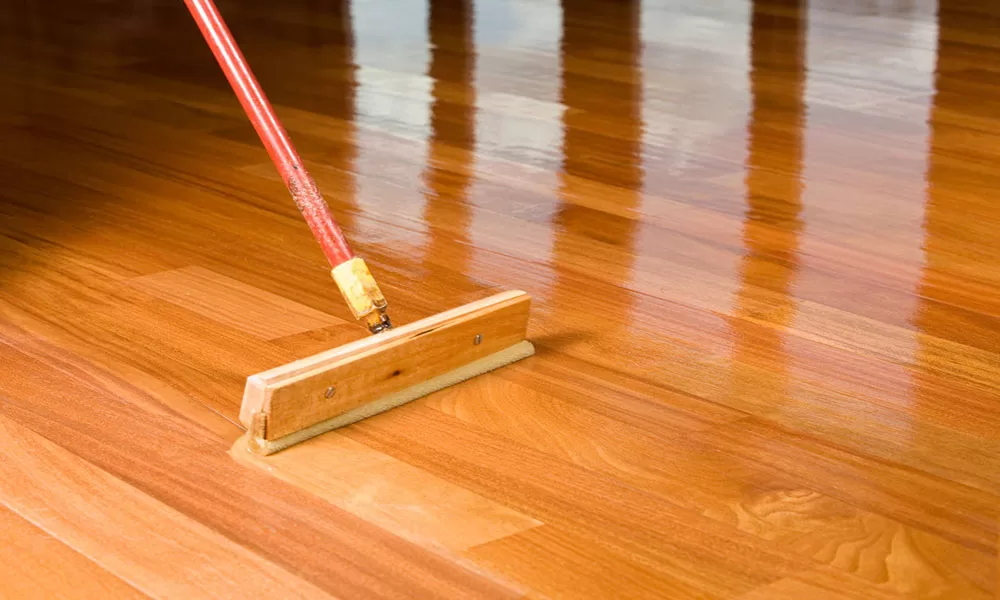
ポリウレタン材料の基本特性と試験方法 図3

結論

Polyurethane’s versatility and robust properties make it a sought-after material in numerous industries. Its adaptability, combined with the ability to be molded into various forms, ensures its continued relevance. As technological advancements persist, polyurethane’s applications are set to expand, solidifying its position as an indispensable material in modern industries.

1 つの応答

返信を残す

あなたのメールアドレスが公開されることはありません。 必須フィールドは、マークされています *

3 − 2 =

カスタムニーズについて話す

1営業日以内にご連絡いたします。

接尾辞付きのメールに注意してください ‘@ifoama.com'。

カスタムニーズについて話す

1営業日以内にご連絡いたします。

接尾辞付きのメールに注意してください ‘@ifoama.com'。