
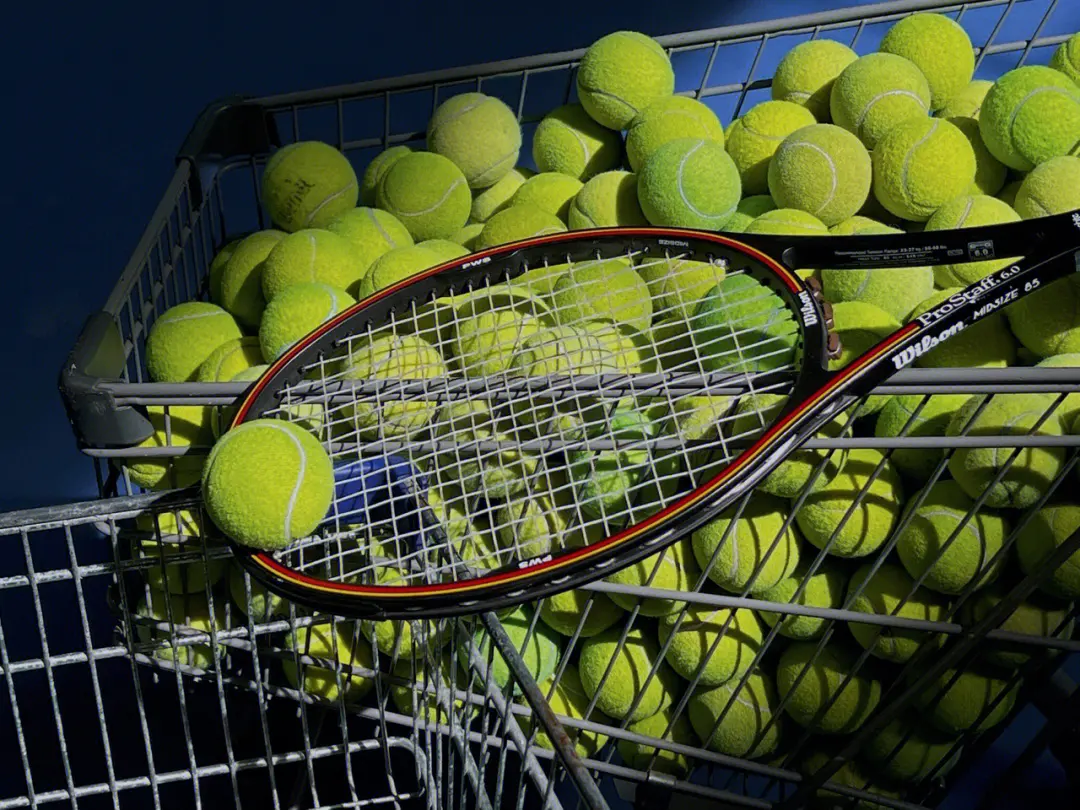
Tennis is a global sport with many benefits, such as enhancing cardiorespiratory fitness, exercising physical coordination, improving flexibility, relieving anxiety, and more. Many countries and regions hold important tennis tournaments, such as the world-renowned Wimbledon Championships, the Australian Open, and the Open Tennis Championships. However, to play tennis well, you must start with training. In this article, we will introduce the application of polyurethane tennis in tennis training.
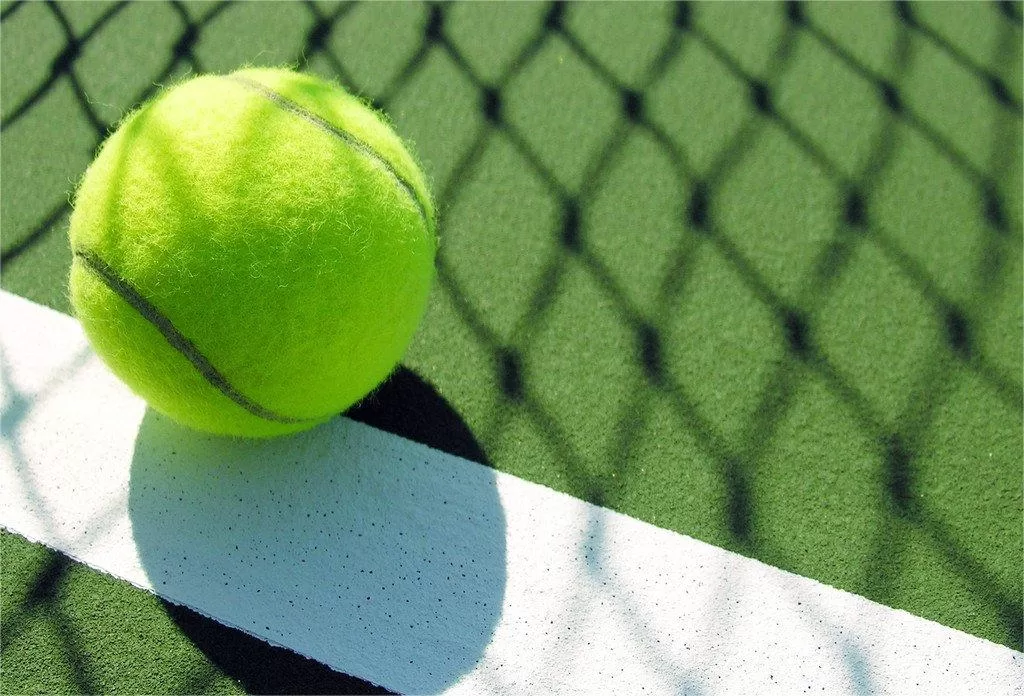
What is Polyurethane Training Tennis?
Regular tennis balls are usually made with rubber or synthetic rubber as the inner padding and wool or rayon as the outer material. Compared to regular tennis balls, tennis balls made of polyurethane are heavier, more flexible, and more durable. This makes it more suitable for playing long training sessions and can help players improve their skills and fitness levels.
Polyurethane training tennis balls are often used in high-level matches and training because they also have higher performance and longer life span and can withstand more use and wear. This allows players to get better training results and a longer-lasting experience.
What are the Advantages of Polyurethane Training Tennis Balls?
Compared to ordinary tennis balls, tennis balls made of polyurethane have the following advantages:
- Heavier: to help players build muscle strength and endurance.
- More elastic: which can improve players’ reaction speed and hand-eye coordination.
- Durability: Polyurethane training tennis balls are more durable than traditional tennis balls. They last longer and can withstand the wear and tear of regular training sessions.
- Consistency: Polyurethane training tennis balls have a consistent bounce and flight, which makes them ideal for training drills and practice sessions.
- Cost-effective: Polyurethane training tennis balls are more cost-effective than traditional tennis balls in the long run because they last longer and don’t need to be replaced as frequently.
- Eco-friendly: Polyurethane training tennis balls are made from recyclable materials, making them more eco-friendly than traditional tennis balls.
- Weather-resistant: Polyurethane training tennis balls are more resistant to extreme weather conditions, such as heat or cold, which means they can be used year-round for training.
Overall, polyurethane training tennis balls provide a more consistent, durable, cost-effective, eco-friendly, and weather-resistant option for tennis training.
Common Classification of Polyurethane Tennis Balls
Yes, there are also different types of polyurethane tennis balls that can be selected depending on the level, skill, and personal preference of the player. The following are a few common classifications:
- Pelota de tenis de uretano de poliéster: Se trata de una pelota de tenis clásica, que tiene un rendimiento más equilibrado y es adecuada para una amplia gama de jugadores.
- Pelota de tenis de poliéter poliuretano: Más suave que la pelota de tenis de poliéster poliuretano, puede proporcionar un mejor toque y control, pero puede ser un poco menos duradera.
- Pelota de tenis de uretano de polietileno: una pelota muy duradera, esta pelota tiene un rebote menor pero proporciona mejor control y consistencia.
- Pelota de tenis de uretano de titanio: una pelota de tenis de alto nivel, esta pelota tiene una elasticidad y un rebote muy altos y es adecuada para jugadores de alto nivel.
En conclusión, los diferentes tipos de pelotas de tenis de poliuretano tienen sus propias ventajas y desventajas, y los jugadores pueden elegir la pelota adecuada para ellos según sus necesidades y preferencias.
What is the Difference Between Polyurethane Training Tennis Balls and Regular Tennis Balls?
The difference between polyurethane training tennis balls and ordinary tennis balls lies mainly in the material and the purpose of use.
Urethane training tennis balls are usually made of urethane, a material with greater elasticity and durability that helps players better practice their hitting skills, especially difficult skills such as topspin and chipping. Because of the rough surface of polyurethane training balls, players can better grasp the spin and direction of the ball, while controlling the bounce of the ball more easily, thus improving the accuracy of their shots.
In contrast, regular tennis balls are usually made of nylon or sheep gut thread, rubber, and so on. These materials have lower elasticity and higher control properties, thus providing more consistent and predictable ball spin and bounce to ensure fairness and predictability in the game.
Polyurethane training tennis balls are typically used for practicing and improving ball striking skills, while regular tennis balls are used for training for official matches and tournaments.
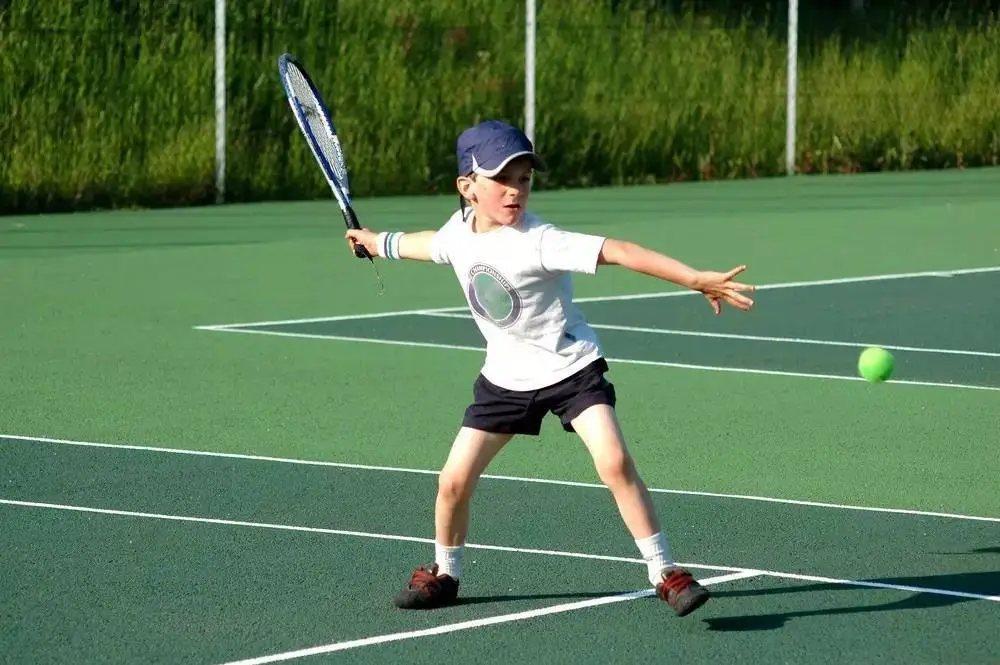
How to Choose the Right Polyurethane Training Tennis Ball for You?
These are some of the factors to consider when choosing a polyurethane training tennis ball:
- Niveles y objetivos: Los practicantes de diferentes niveles y objetivos necesitan diferentes tipos de pelotas de tenis de entrenamiento. Los principiantes suelen necesitar pelotas más blandas porque son más fáciles de controlar y golpear. Los jugadores de nivel superior pueden necesitar pelotas más duras porque proporcionan mejor rebote y velocidad.
- Material o marca de poliuretano: La calidad y el rendimiento de las pelotas de tenis de entrenamiento de poliuretano varían según el material. Algunas marcas o modelos de pelotas de tenis de entrenamiento de uretano pueden tener mayores propiedades de control de rebote y giro, mientras que otras pueden ser más duraderas. Por ello, debes elegir el material que mejor se adapte a tus necesidades.
- Surface Quality: The surface quality of a polyurethane training tennis ball will affect the spin and control performance of the ball. If you need to improve your skills in mastering the spin and direction of the ball, choose a ball with a rougher surface.
- Cost: The cost of urethane training balls varies by brand and quality. Some brands of balls may be better suited to your needs than others, but they will also be more expensive. You should choose the most appropriate brand and cost for your needs and budget.
PS: The surface quality of a tennis ball usually refers to the texture and coefficient of friction of the surface of the tennis ball. For example, a tennis ball with a rough surface provides better ball spin because the texture of the surface allows the ball to spin more in the air. A tennis ball with a smooth surface, on the other hand, provides faster ball speed because the surface has a lower coefficient of friction and the ball has less resistance in the air. Simply put: a tennis ball with a rough surface helps players practice mastering the spin of the ball, while a tennis ball with a smooth surface helps players increase ball speed and reaction time.
Overall, choosing the right polyurethane training tennis ball for you requires a combination of factors such as your level, goals, polyurethane material, surface quality, brand, and cost.
How to Train Correctly with Polyurethane Training Tennis Balls?
Selecting the Right Equipment
Ball selection: Choose a polyurethane training tennis ball that suits your level and goals. Beginners can opt for softer balls for better control, while advanced players might prefer harder balls for enhanced speed and bounce.
Racket selection: The choice of tennis racket is crucial. Different rackets cater to different skills and training needs. Depending on the type of polyurethane tennis ball, select a racket that complements its characteristics.
Perfecting Your Technique
Correct Stroke Position: Maintaining the right stroke position is essential when using a polyurethane training tennis ball. It aids in enhancing accuracy and power.
Diverse Techniques Practice: Incorporate various techniques like underspin, topspin, flat stroke, and push stroke during training. This diversification will help master different hitting techniques.
Body Posture and Movement: Ensure a correct body posture and maintain stability during movement.
Maximizing Tennis Training Efficiency
Gradual Intensity Increase: Start with moderate training intensity and gradually increase it. This approach helps in skill enhancement without the risk of overtraining.
Understanding Ball Dynamics: Familiarize yourself with the unique paths and bounces of a polyurethane training tennis ball. Adapting to these differences is crucial for mastering ball spin and direction.
Choosing the Right Environment: The choice of court and practice partner plays a significant role in training. Opt for a court that complements the ball’s characteristics and a practice partner that challenges and simulates game situations.
In general, training requires attention to stroke position, technique practice, body posture and movement, and training intensity. Through consistent training and practice, you can improve your skill level and game performance.
Who are Polyurethane Training Tennis Balls for?
For those who love to play tennis, training with polyurethane tennis balls is not a particularly difficult task. Here is a brief mention of what polyurethane training tennis balls have to offer for different levels of practitioners.
- For beginners: It can help them get used to the elasticity and speed of the tennis ball and practice the basic hitting and returning skills. Urethane-training tennis balls provide more bounce and speed, making it easier for beginners to master the mechanics of hitting the ball.
- For high-level players: It can help them to improve their technical level and reaction speed. Polyurethane training tennis balls have higher elasticity and speed, which can help players better adapt to the playing environment and improve their skills.
- Players and Practitioners: Urethane training tennis balls are a great choice for players who want to improve their skills and speed in practice. Using polyurethane training tennis balls can help players get better results in practice.
Polyurethane training tennis is characterized by higher elasticity and speed, which makes it more suitable for players who want to improve their skills and speed in practice. It can also help beginners to adapt to the elasticity and speed of the tennis ball and improve their hitting skills. Overall, urethane training tennis is a great tool to help players of all levels improve their skills and level of play.
What is the Effect of Training with Polyurethane Tennis Balls?
Las pelotas de tenis hechas de poliuretano tienen una mayor elasticidad y rendimiento de giro en comparación con las pelotas tradicionales de fieltro o goma. Al utilizar una pelota de poliuretano para el entrenamiento de tenis, puede tener los siguientes efectos:
- Aumentar el control del jugador: las pelotas de uretano tienen mejores propiedades de elasticidad y efecto, por lo que los jugadores necesitan controlar mejor la raqueta para mantener la pelota en el área objetivo.
- Aumentar la potencia y la velocidad del jugador: las pelotas de uretano tienen mayor elasticidad, por lo que los jugadores necesitan poner más potencia y velocidad en el bate para controlar la pelota, lo que ayuda a aumentar la potencia y la velocidad del jugador.
- Aumente el tiempo de reacción y la coordinación ojo-mano: debido a que la pelota de uretano tiene mayor elasticidad y propiedades de giro, los jugadores necesitan un tiempo de reacción más rápido y una mejor coordinación ojo-mano para atrapar la pelota.
- Aumente el desafío del entrenamiento: las pelotas de uretano son más difíciles de controlar que las pelotas de fieltro, por lo que entrenar con una pelota de uretano puede brindar a los jugadores un desafío mayor.
En general, el uso de pelotas de poliuretano para el entrenamiento de tenis puede mejorar el nivel de habilidad de un jugador y la efectividad del entrenamiento, pero se debe prestar atención a la condición física y al nivel de adaptación del jugador para evitar lesiones debidas al sobreentrenamiento.
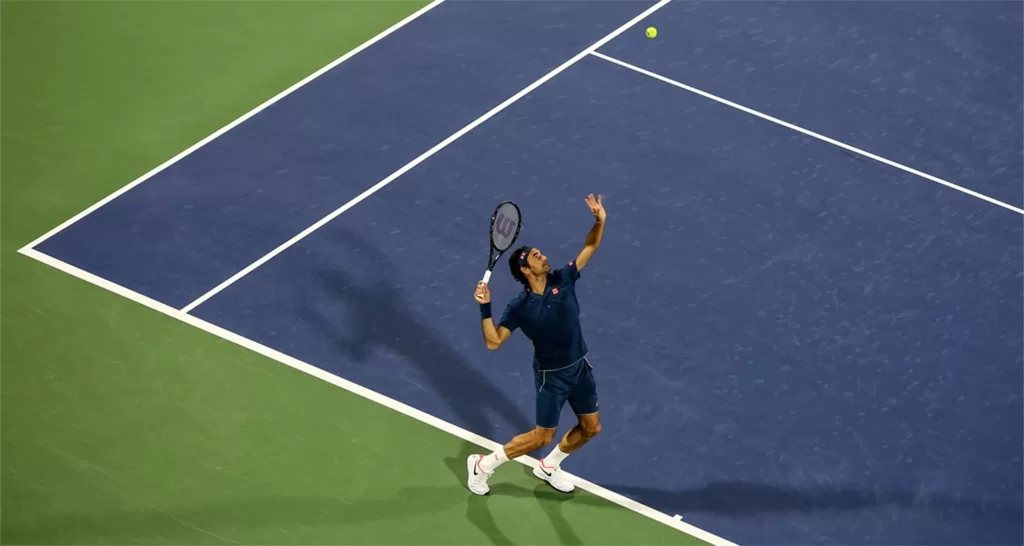
¿A qué debo prestar atención al entrenar pelotas de tenis de poliuretano?
When using polyurethane tennis balls for tennis training, to improve results or ensure safety, you should:
- Physical Condition: Because polyurethane balls are more flexible than traditional felt balls, they require players to put more power and speed into controlling the ball. Therefore, the trainer needs to be in good physical condition or there may be an increased risk of injury.
- Choosing the right racket: As we mentioned above, polyurethane balls also require a stiffer racket to control the ball. Players should choose the right racket for their skill level and physical condition.
- Choice of playing surface: Due to the higher elasticity of the polyurethane ball, players need a better playing surface to control the ball. If the court is in poor condition, it may affect the player’s performance and training results. Usually suitable for use on hard courts or artificial grass, but not on sand or red clay courts. Using a tennis ball on an inappropriate surface can shorten the life of the ball by causing the surface to wear faster.
- Control the intensity of training: Urethane balls are more difficult to control than felt balls, so training with them requires a higher level of skill and more physical strength. Players should control the intensity of training according to their physical condition and skill level to avoid injuries due to overtraining.
- Ball Care: Polyurethane tennis balls need to be stored in a dry, light-proof, and well-ventilated area. Avoid exposing the ball to high temperatures, high humidity, and sunlight, which may affect the quality and life of the ball. Tennis ball surfaces also require frequent cleaning and maintenance to maintain their quality and performance. It can be cleaned with a damp cloth or a special tennis ball cleaner. Avoid using hard objects or chemical cleaners that can damage the surface.
- Frequency of ball use: Frequent use of polyurethane tennis balls can lead to wear and cracking of the ball’s surface. It is recommended to check the condition of the ball regularly during use and replace it promptly if it is worn or damaged so as not to affect the training effect.
What is the Service Life of Polyurethane Tennis Balls?
Polyurethane is a polymer material that provides excellent flexibility and durability when used in the manufacture of tennis balls. However, the longevity of a tennis ball is affected by a variety of factors, including frequency of use, storage conditions, and surface quality.
In general, tennis balls made with polyurethane will last longer than those made with other materials. If used frequently and stored improperly, polyurethane tennis balls can wear and crack within a few months. However, if properly stored and used infrequently, polyurethane tennis balls can last more than a year.
It is important to note that training with urethane tennis balls requires use on an appropriate surface, such as a hard court or artificial grass, and not on a sand or red clay court. Using a tennis ball on an inappropriate surface will shorten the life of the ball by causing the surface to wear out more quickly.
How to Avoid Injuries in Tennis Training?
Polyurethane tennis balls excel at providing higher bounce and control, but because they are more flexible, they can cause more stress and damage to a player’s wrists and elbows. Therefore, I recommend that you do the following:
- Use the right racket: Choose the right racket for you. Do not choose a racket that is too overweight or not suitable for you, which will cause additional stress and damage to your wrists and elbows.
- Use the right ball: Choose the right ball for you. You can choose the right ball for your level and ability, and avoid using balls that are too advanced or too complicated.
- Do a good warm-up and stretching: Before you start training, warm up and stretch adequately, which helps reduce stress and prevent injuries.
- Gradually increase the intensity of your training: When training tennis with polyurethane, gradually increase the intensity and duration of your training and do not overdo it at the beginning to avoid overuse of your wrists and elbows causing injury.
- Learn proper stroke technique: Learn proper stroke technique to reduce stress on your muscles and joints, which helps to reduce the burden on your muscles and joints.
Of course, there are many things to keep in mind when training. When training tennis in polyurethane, you need to pay attention to your physical condition, prepare adequately, and gradually increase the intensity of training to avoid injury. If any discomfort or pain occurs, you should stop training and seek professional medical advice.

Conclusión
This article talks about the characteristics of polyurethane training tennis balls and how to choose the right training tennis ball for you and gives some advice on tennis training.