

Разделительные составы для форм оказывают важное влияние на изделия из пенополиуретана (ПУ), которые могут играть роль в уменьшении трения и предотвращении адгезии в процессе производства, обеспечивая тем самым гладкую поверхность и стабильное качество изделий. Кроме того, правильный выбор и использование смазок для пресс-форм также может повысить эффективность производства, снизить производственные затраты и продлить срок службы пресс-формы. В этой статье мы обсудим влияние антиадгезивов для форм на изделия из пенополиуретана и расскажем, как правильно выбирать и использовать антиадгезивы для форм для достижения наилучших производственных результатов.
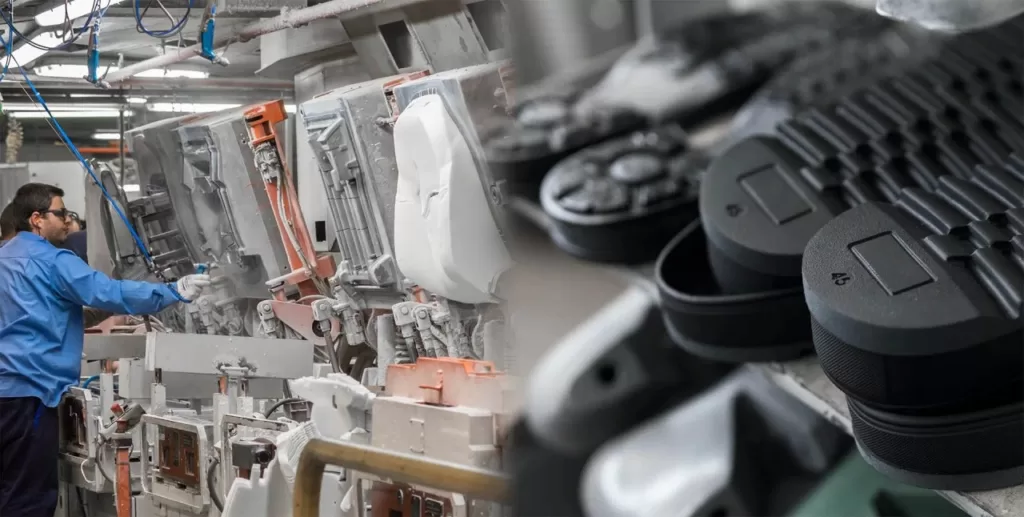
Что такое разделительный агент для пресс-формы?
Антиадгезивы для пресс-форм — это химические покрытия, обычно используемые в производственных процессах, основная функция которых заключается в облегчить разделение формы и модели. Их обычно наносят на поверхность формы, чтобы обеспечить плавное отделение готового продукта от формы и избежать повреждений или деформаций из-за прилипания. Разделительные составы для пресс-форм обычно используются в форме жидкости, пасты или спрея и обладают такими характеристиками, как антиадгезионные, антикоррозионные и смазочные свойства.
К основным компонентам смазок для форм относятся растворители, смазки, наполнители, загустители и так далее. Различные производственные процессы и материалы требуют использования разных типов разделительных средств. Например, при производстве пластиковых изделий обычными антиадгезионными веществами являются в основном силиконовое масло и жидкий парафин; при производстве резиновых изделий обычно используют смесь антиадгезива и вулканизующего агента; а при литье металлов требуется антиадгезив, устойчивый при высоких температурах.
Использование средств для смазки плесени может принести множество преимуществ. Во-первых, это продлевает срок службы формы, поскольку она больше не повреждается из-за частого трения и прилипания. Во-вторых, антиадгезив для пресс-форм может снизить производственные затраты, поскольку снижает степень повреждения готового продукта и повышает эффективность производства, сокращая время производства и затраты на рабочую силу. Наконец, использование смазок для форм обеспечивает гладкую и безупречную поверхность готового изделия, тем самым улучшая качество продукции и удовлетворенность клиентов.
Важно отметить, что во избежание несчастных случаев при использовании разделительных смазок для пресс-форм необходимо строго соблюдать инструкции и процедуры безопасности.
Каков процесс изготовления изделий из пенополиуретана?
Из-за ограничений по объему следующие шаги кратко суммированы и описаны более подробно в моей статье. Основные этапы производства полиуретановых изделий.
- Подготовка сырья: Для производства пенополиуретана необходимы полиэфирполиол, полиизоцианат, катализатор, стабилизатор, пенообразователь и другое сырье. Это сырье необходимо смешивать в определенной пропорции, а условия окружающей среды, такие как температура и влажность, строго контролируются.
- Вспенивание: смешанное сырье впрыскивается во вспенивающую машину, и под действием машины пенообразователь в сырье начинает полностью расширяться и генерировать большое количество пузырьков с образованием пены.
- Формирование: пена впрыскивается в форму и принимает форму в течение определенного периода времени. Пенополиуретан можно использовать для изготовления изделий различной формы, таких как сиденья, звукоизоляционные панели, изоляционные материалы и так далее.
- Отверждение: после формования пенополиуретан необходимо отверждать, чтобы улучшить его прочность и стабильность. Процесс отверждения требует контроля таких условий, как температура и влажность, а также определенного времени отверждения в зависимости от потребностей различных продуктов.
- Покраска и обработка: После формования и отверждения изделия из пенополиуретана можно окрашивать и обрабатывать для изменения их свойств, таких как цвет и форма поверхности.
Это основные этапы процесса производства изделий из пенополиуретана. Конкретный производственный процесс может варьироваться в зависимости от таких факторов, как тип продукта и его применение.
Какова роль разделительных агентов в производстве изделий из пенополиуретана?
В частности, роль антиадгезивов для пресс-форм включает в себя следующее:
- Уменьшите трение на поверхности формы: производство пенополиуретана требует инъекции хорошо перемешанного сырья в форму для формования. Если трение на поверхности формы слишком велико, это приведет к тому, что сырье не сможет полностью заполнить внутреннюю часть формы при впрыске, что повлияет на качество и гладкость поверхности продукта. Использование антиадгезива для формы может эффективно уменьшить трение на поверхности формы, чтобы сырье могло лучше заполнить внутреннюю часть формы.
- Не допускайте прилипания изделий к поверхности формы: в процессе изготовления пенополиуретана отформованные изделия необходимо вынимать из формы. Если продукт слишком плотно прилегает к поверхности формы, это может привести к повреждению продукта или его невозможно будет вынуть. Антиадгезив для формы может предотвратить слишком плотное прилипание продукта к поверхности формы, тем самым облегчая извлечение продукта.
- Улучшите гладкость поверхности изделия: использование смазок для форм может образовать тонкую защитную пленку при формовании изделий из пенополиуретана, что может сделать поверхность изделия более гладкой.
- Продлите срок службы формы: использование разделительного средства для формы может уменьшить износ формы, уменьшить коррозию и окисление поверхности формы и, таким образом, продлить срок службы формы.
Антиадгезивы для пресс-форм играют жизненно важную роль в производстве изделий из пенополиуретана, улучшая качество и производительность продукции, снижая производственные затраты, защищая пресс-форму и продлевая ее срок службы.
Каковы типы смазок для пресс-форм?
Классификация по составу
- Антиадгезив для пресс-форм типа силиконового масла: основным компонентом является полидиметилсилоксан (ПДМС), подходящий для выпуска различных пластиковых и резиновых изделий и хорошо влияющий на антиадгезив для пресс-форм.
- Смазочный разделительный агент: основным компонентом является парафин или воск, подходящий для отделения крупных формованных деталей или высокопрочных металлических отливок, с хорошим смазочным эффектом.
- Синтетический антиадгезив для пресс-форм: основными компонентами являются химически синтезированные полимерные соединения, подходящие для отделения различных металлов, керамики и других материалов, с хорошими антикоррозионными свойствами.
Классификация по использованию
- Металлический разделительный агент: применим для удаления металлических материалов, таких как алюминиевый сплав и магниевый сплав.
- Резиновый разделительный агент: применим для выпуска различных резиновых изделий, таких как резиновые уплотнения и фитинги для резиновых труб.
- Разделительная смазка для пластика: применима для выпуска различных пластиковых изделий, таких как детали для литья под давлением и детали для выдувного формования.
Классификация по морфологии
- Жидкий смазочный агент для пресс-форм: например, жидкий смазывающий агент для пресс-форм типа силиконового масла, жидкий синтетический смазочный агент для пресс-форм.
- Твердый антиадгезив для пресс-форм: например, антиадгезив для пресс-форм воскового типа, антиадгезионная паста для металлических форм.
Существует широкий ассортимент антиадгезивов для пресс-форм, и разные типы антиадгезив подходят для разных материалов и требований к разделению.
Как разные типы разделительных агентов по-разному влияют на изделия из пенополиуретана?
Антиадгезивы для форм на основе силиконового масла обычно обладают отличным антиадгезионным эффектом и могут придавать изделиям из пенополиуретана гладкую и безупречную поверхность. Однако антиадгезивы для форм на основе силиконового масла могут оставлять пленку силиконового масла на поверхности изделий из пенополиуретана, что может повлиять на адгезию покрытия и клея.
Смазочные разделительные агенты, с другой стороны, обеспечивают лучшую смазку, что облегчает формование и отделение изделий из пенополиуретана. Однако при их чрезмерном использовании или неправильном выборе они могут оставить следы на поверхности пенополиуретанового изделия и ухудшить качество поверхности.
Синтетические антиадгезивы для форм обеспечивают хорошую антиадгезивность и устойчивость к коррозии, но некоторые ингредиенты могут отрицательно влиять на качество поверхности изделий из пенополиуретана.
В заключение, выбор подходящего антиадгезива может повысить эффективность производства и качество изделий из пенополиуретана, но его необходимо выбирать и использовать в соответствии с конкретной ситуацией, чтобы избежать негативного воздействия на продукцию.
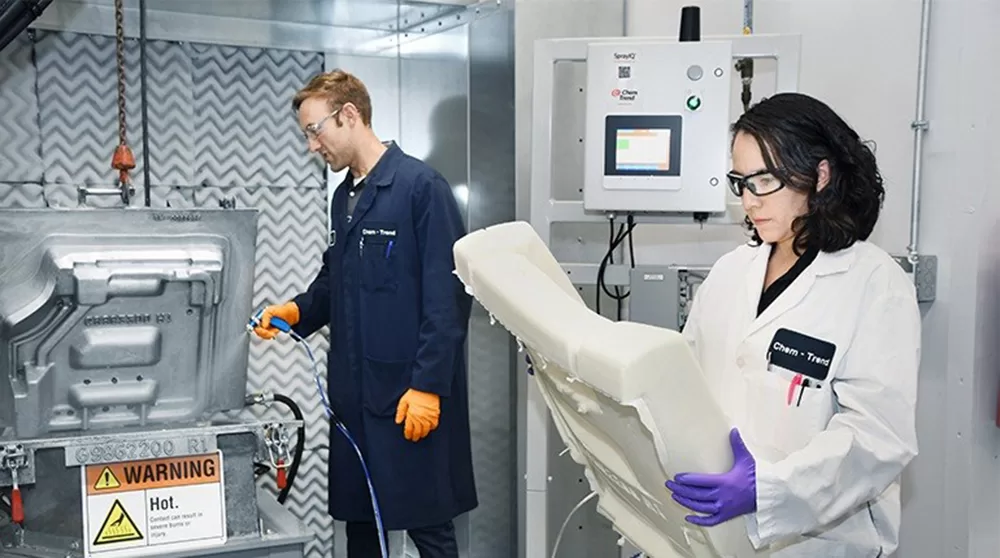
Когда мне нужно использовать смазку для пресс-форм?
К основным ситуациям, требующим использования разделительных агентов, относятся следующие:
- Когда изделия из пенополиуретана необходимо высвободить из формы, использование разделительного средства для формы может уменьшить трение и облегчить извлечение.
- При использовании сложных форм или изготовлении более крупных изделий из пенополиуретана использование смазок для форм может предотвратить прилипание изделий к формам и продлить срок службы форм.
- Для изделий из пенополиуретана, которым требуется гладкая поверхность, использование смазок для форм может уменьшить дефекты поверхности и улучшить качество поверхности изделия.
- В процессе производства изделия из пенополиуретана могут прилипать к форме или другим материалам, использование антиадгезивов для форм может уменьшить явление адгезии и повысить эффективность производства.
В заключение отметим, что использование смазок для форм может повысить эффективность производства, защитить форму и улучшить качество продукции, что играет важную роль в производстве изделий из пенополиуретана.
Каковы требования к количеству и способу нанесения разделительного агента?
Контроль использованного количества
При использовании разделительного агента необходимо контролировать его количество и избегать использования слишком большого количества. Чрезмерное использование приведет к тому, что разделительный состав останется на поверхности изделий из пенополиуретана, что повлияет на адгезию и качество поверхности изделий.
Равномерное покрытие
Разделительный состав должен быть равномерно нанесен на поверхность формы, чтобы гарантировать, что каждая часть изделия из пенополиуретана может быть смазана и защищена разделительным составом.
Контроль времени
Время использования разделительного средства необходимо контролировать, чтобы избежать освобождения формы слишком рано, прежде чем изделие из пенополиуретана затвердеет, или слишком поздно после затвердевания изделия из пенополиуретана.
Выберите подходящий разделительный агент
В соответствии с условиями формования и требованиями к изделиям из пенополиуретана выберите подходящий разделительный состав, чтобы гарантировать, что разделительный состав совместим с поверхностью изделия и не повлияет на качество изделия.
Безопасность эксплуатации
При использовании разделительного средства необходимо соблюдать безопасность эксплуатации, избегать попадания разделительного средства на кожу и в глаза, носить соответствующие средства защиты и обеспечивать хорошую вентиляцию.
Влияет ли использование разделительных агентов на качество изделий из пенополиуретана?
Использование разделительных средств может повлиять на качество изделий из пенополиуретана, но точное влияние зависит от типа разделительного средства, способа применения и его количества.
Использование правильного разделительного средства, его равномерное нанесение и контроль количества используемого материала не окажут существенного влияния на качество изделий из пенополиуретана. Напротив, использование разделительных средств может положительно повлиять на качество продукта за счет снижения трения, предотвращения прилипания продукта, защиты формы и повышения производительности.
Однако если разделительный состав используется в избытке, нанесен неравномерно или используется в течение неподходящего периода времени, это может привести к остатку разделительного средства на поверхности изделий из пенополиуретана и повлиять на адгезию и качество поверхности изделий. Кроме того, некоторые неподходящие антиадгезивы могут вступать в реакцию с материалами изделий из пенополиуретана, что приводит к проблемам с качеством.
Поэтому необходимо выбирать подходящие разделительные средства, правильно их использовать и контролировать используемое количество, а для обеспечения качества изделий из пенополиуретана необходимы надлежащие испытания и контроль качества.
Как правильно обращаться с остатками антиадгезива для пресс-форм?
Имея многолетний опыт производства, мы можем сказать вам, что существует три распространенных способа:
- Метод протирания влажной тряпкой: Протрите поверхность изделий из пенополиуретана влажной тряпкой, чтобы удалить остатки разделительного состава. Этот метод подходит для случаев, когда остаточная сумма невелика.
- Метод очистки растворителем: Очистите поверхность изделий из пенополиуретана специальным растворителем, чтобы удалить остатки разделительного средства. Этот метод подходит для случаев, когда остаточное количество велико или его трудно удалить.
- Метод сушки горячим воздухом: Поместите изделия из пенополиуретана в духовку и высушите их горячим воздухом, чтобы удалить остатки разделительного средства. Этот метод подходит для изделий, устойчивых к высоким температурам.
Следует отметить, что при работе с остатками разделительного состава необходимо выбрать соответствующий метод и уделить внимание защите поверхности пенополиуретанового изделия во избежание вторичного повреждения изделия. В то же время необходимо контролировать количество используемого разделительного средства, чтобы избежать чрезмерного остатка.
Как выбрать правильный разделительный агент, чтобы получить продукцию из пенополиуретана наилучшего качества?
Выбор правильного разделительного состава является ключом к получению изделий из пенополиуретана самого высокого качества. Ниже приведены некоторые соображения по выбору разделительного агента:
- Учитывайте тип и требования к изделиям из пенополиуретана: к различным типам изделий из пенополиуретана предъявляются разные требования, такие как твердость, вязкость и гладкость поверхности. Необходимо выбрать соответствующий разделительный состав в соответствии с требованиями к продукту.
- Учитывайте состав и природу разделительного средства: разные компоненты разделительного средства по-разному влияют на изделия из пенополиуретана, например, на твердость, вязкость и т. д. Необходимо выбрать разделительный состав, соответствующий требованиям продукта.
- Учитывайте метод использования и дозу разделительного агента: различные методы использования и дозы также влияют на качество продукта, поэтому вам необходимо выбрать подходящий метод использования и дозу в соответствии с конкретной ситуацией.
- Учитывайте цену и экологичность разделительного средства. Цена и экологичность также являются важными факторами при выборе разделительного средства. Необходимо выбирать недорогие и экологически чистые антиадгезивы для пресс-форм, при условии, что они отвечают требованиям к продукту.
Следует отметить, что вышеуказанные факторы необходимо учитывать при выборе разделительного состава, а также тестировать и корректировать на практике для получения изделий из пенополиуретана наилучшего качества.
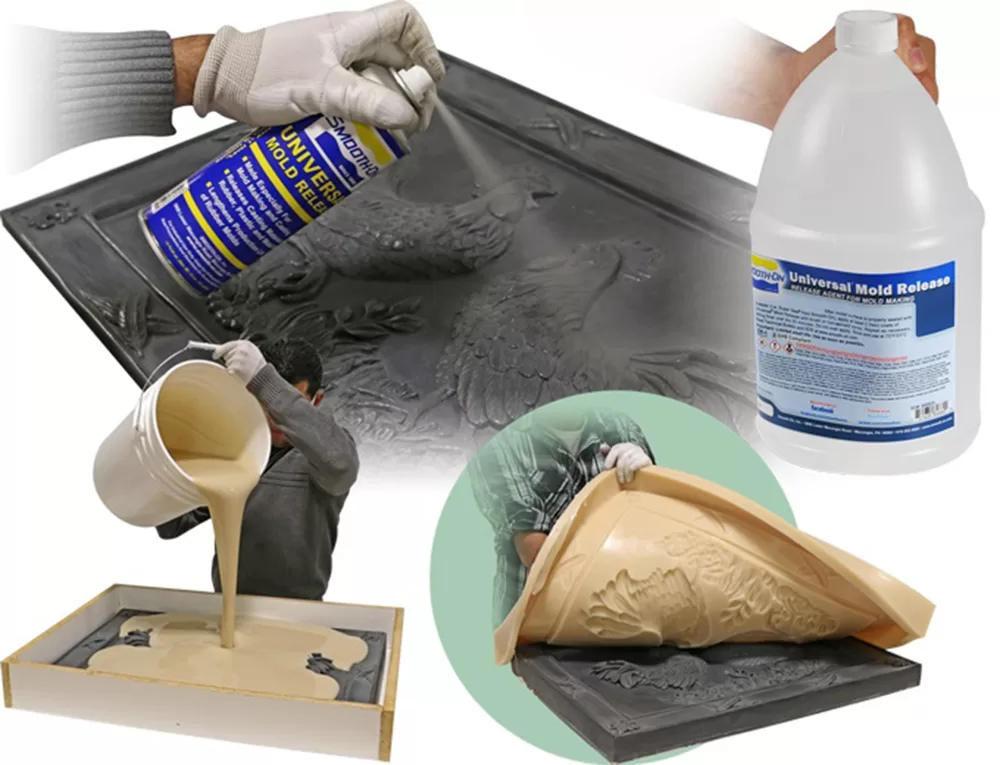
Заключение
В этой статье в основном говорится о классификации часто используемых разделительных смазок и их влиянии на полиуретановые изделия. Как производитель, специализирующийся на производстве полиуретановых изделий, вышеизложенное представляет собой краткий обзор некоторого опыта, и мы надеемся, что он может быть вам полезен. В нашей следующей статье мы рассмотрим 10 часто используемых средств для смазки плесени. Если вы заинтересованы в нашей продукции или вам необходимо настроить и продать ее оптом, вы можете связаться с нами в любое время.