
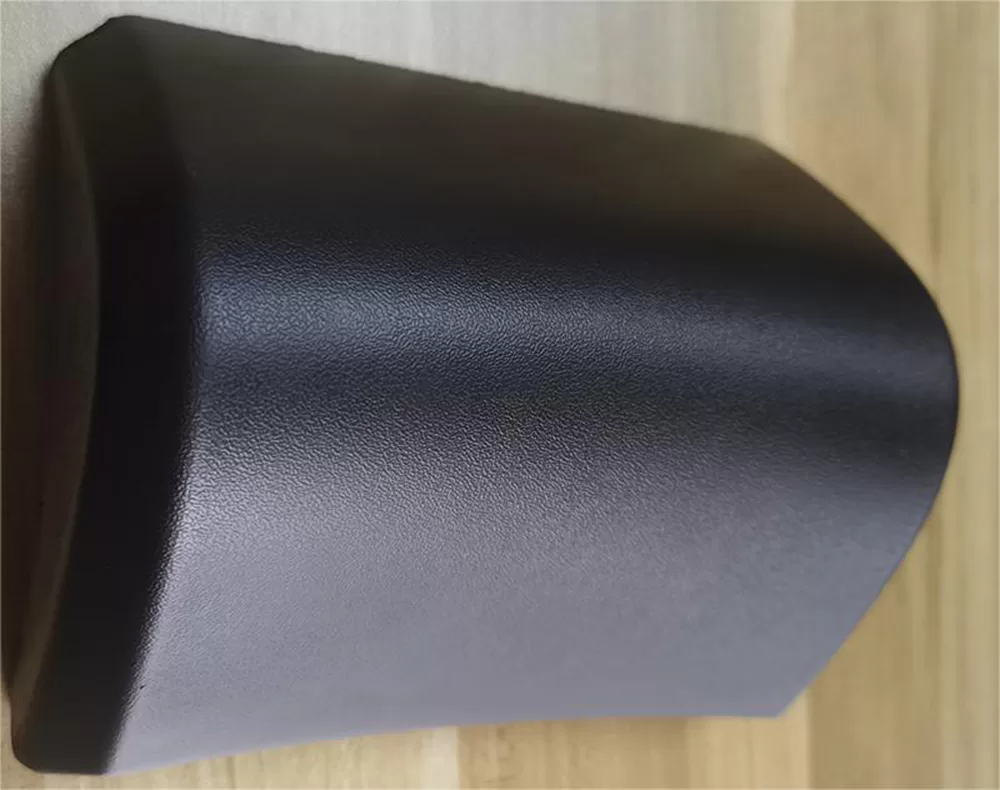
The molds of Polyurethane(PU) Foam products should be processed by texture during the production process because the texture can improve the surface roughness and friction coefficient of the molds, which makes the molds have better adhesion and reduces the difficulty and problems of mold release. At the same time, texture can also increase the sealing and wear resistance of the mold and improve its service life and stability. Therefore, textured is a very important part of the manufacturing process of polyurethane foam products. In this article, we will explain in detail why the molds of polyurethane foam products should be textured.
The Process of Making Polyurethane Foam Products
Polyurethane foam products are a kind of products made by using polyurethane materials, which have excellent performance of sound insulation, heat preservation, and shockproof, and are widely used in the fields of construction, transportation, home appliances, and aerospace. The process of making polyurethane foam products is mainly divided into the following steps:
- Prepare materials: The materials needed to make polyurethane foam products include polyurethane resin, catalyst, curing agent, foaming agent, filler, and so on.
- Spraying mold: Put the pre-made mold into the special spray gun, spray the polyurethane raw materials on the surface of the mold, and wait for a period of time for foaming after the spraying is completely uniform.
- Foaming heating: After the polyurethane raw material is sprayed, it is heated in the special foaming furnace to make it expand rapidly and fill the whole mold, forming a polyurethane foaming product with a certain shape.
- Mold cooling: After the polyurethane raw materials are heated by foaming, they need to be cooled and cured inside the mold for a period of time so that the curing agent can completely cure the foamed raw materials to make the polyurethane foamed products obtain the required hardness and strength.
- Demold treatment: After the polyurethane products inside the mold have cooled and cured, the mold will be taken out and demolded so that the polyurethane foam products can be completely separated from the mold.
- Processing: After the polyurethane foam products are removed from the mold, they need to undergo the necessary processing and surface finishing to meet the specific requirements of different industries and applications.
The above is the process of making polyurethane foam products, interested parties can also refer to my other article on the basic steps of polyurethane product production.
What is a Mold Textured and What It Does
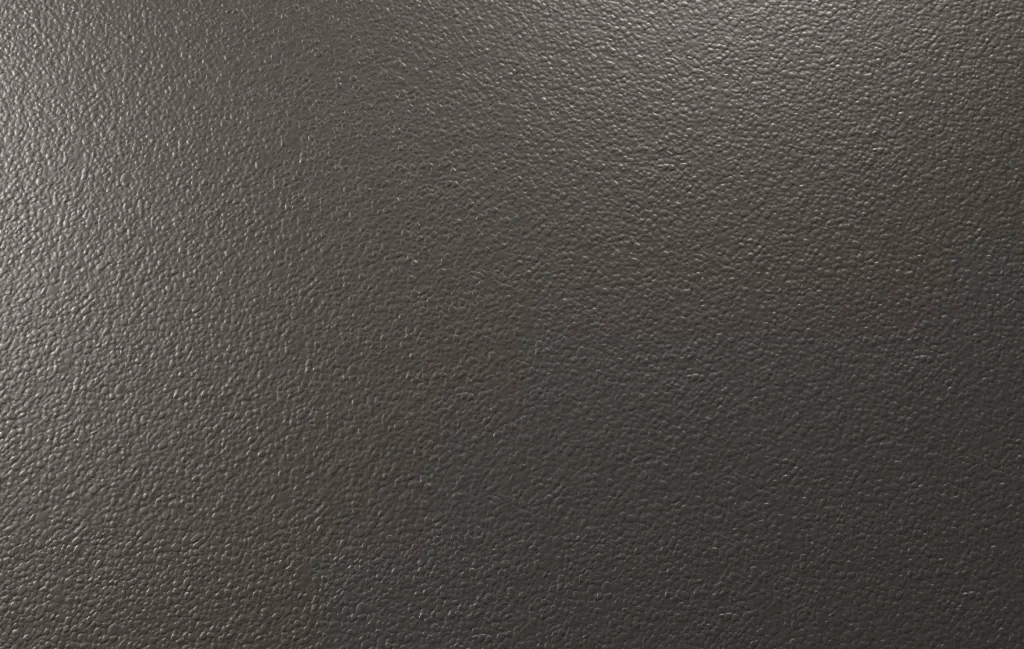
The textured is a common mold surface treatment process to improve the surface roughness and friction coefficient of the mold by forming tiny concave and convex patterns on the mold surface, which directly affects the aesthetics and surface strength of the product surface. This treatment can make the mold have better adhesion and reduce the difficulty and problem of mold release. Texture can also increase the sealing and wear resistance of the mold, improving its service life and stability. Therefore, textured is a very important part of the manufacturing process of polyurethane foam products.
Bij het vervaardigen van matrijzen wordt de textuur meestal bereikt door waterstraal- of lasersnijden. Het vormen van kleine hobbelige patronen op het matrijsoppervlak kan het matrijsoppervlak ruwer maken, waardoor het contactoppervlak tussen het matrijsoppervlak en de geschuimde producten wordt vergroot en de hechting en afdichting worden verbeterd. Tegelijkertijd kan textuur ook de slijtvastheid van de mal verhogen, slijtage en schade tijdens gebruik verminderen en de levensduur van de mal verbeteren.
Hoewel textuur de oppervlakteruwheid en wrijvingscoëfficiënt van de mal effectief kan verbeteren, is het tijdens het daadwerkelijke bewerkingsproces noodzakelijk om de geschikte textuuroplossing te kiezen op basis van verschillende productvereisten en productieprocessen. Bovendien moet textuur ook aandacht besteden aan een aantal zaken, zoals de controle van textuurdiepte en -dichtheid, het ontwerp van textuurpositie en -vorm, oppervlaktebehandeling voor en na textuur, enzovoort. Daarom is het noodzakelijk om strikt in overeenstemming met de relevante normen en standaarden te werken om het effect en de kwaliteit van de textuurbehandeling te garanderen.
Ontwikkelingsstatus van schimmeltextuur
Mold texture is a technique for manufacturing molds, which can make the mold surface form different patterns, making the mold more wear-resistant, corrosion-resistant, and easier to release in use. With the development of industry and the progress of technology, mold texture is also developing and improving. At present, there are mainly the following kinds of mold texture technology:
- Traditional manual texture technology: This technology is the earliest texture technology, using hand tools, such as steel brush, wire brush, steel wire ball, and so on. Due to the defects of manual operation, the manufacturing efficiency is low and the consistency of products is poor.
- Machinetextuurtechnologie: Deze technologie wordt door sommige machines uitgevoerd, zoals naalden, schijven, tweekoppige textuurmachines, handmatige textuurmachines, enzovoort. Deze technologie is efficiënter dan traditionele handmatige textuurtechnologie en de consistentie van de producten zal worden verbeterd.
- Digitale textuurtechnologie: Met de ontwikkeling van computertechnologie wordt digitale textuurtechnologie veel gebruikt in de matrijsindustrie. Digitale textuurtechnologie kan het patroon en de diepte van textuurpatronen op het oppervlak van de mal via de computer regelen, waardoor de mal handiger en efficiënter in gebruik wordt.
In general, mold texture technology is constantly improving and developing, and it will be more diversified and intelligent in the future. At the same time, texture technology will also be more widely used in new materials and new production processes.
The Relationship Between Textured and Product Quality
Mold texture technology is a process of creating patterns on the surface of the mold, which not only adds an aesthetic effect to the product but also improves the quality of the product.
- Ten eerste kan het gebruik van matrijstextuurtechnologie voor industrieën die de vervaardiging van een groot aantal producten vereisen, zoals keramiek, tegels en glas, de consistentie en nauwkeurigheid van het product aanzienlijk verbeteren. In tegenstelling tot handmatige productie zorgt de maltextuur ervoor dat elk product exact hetzelfde patroon heeft, wat de algehele kwaliteit van het product helpt verbeteren.
- Secondly, mold texture technology can improve the durability and stability of the product. By making the mold finely, it can ensure that the pattern on the surface of the mold is clear durable, and not easy to wear. At the same time, it can also make the surface of the products flatter to ensure the stability of the products and reduce the problems caused by the uneven surface of the products.
- Finally, mold texture technology can also improve the added value of the product and bring more economic benefits to the enterprise. Some high-end products need to use unique ornaments and designs to attract consumers, and this is where mold texture technology plays an important role. Through the clever use of mold texture technology, enterprises can produce more artistic and personalized products to attract more consumers and improve the added value of products and market competitiveness.
To sum up, mold texture technology is closely related to product quality, which can not only ensure the accuracy and durability of product production but also improve the added value and artistic sense of products.
Construction Methods and Techniques of Textured
The construction of the mold texture technique is divided into two steps:
- The first step is to make the mold. The mold is an important part of the mold texture technique. Making high-quality molds can ensure that the pattern on the surface of the mold is clear durable and not easy to wear. The production of molds needs to choose suitable materials, such as aluminum alloy, steel, and plastic, while using advanced technical equipment, such as laser cutting, and CNC machining, to ensure the precision and accuracy of the molds.
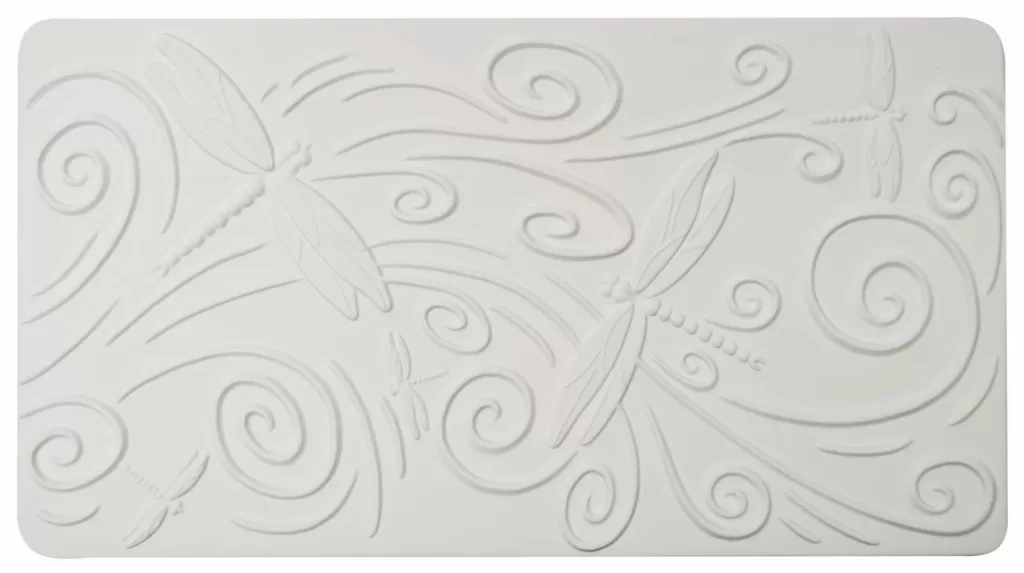
- The second step is texturing. The texture is the core part of mold texture technology. The construction of texturing needs to spray a layer of paint on the made mold first, and then cover the surface of the mold with a special decorative film when the paint is not yet dry. Usually, the decoration film is made of polyester film, plastic film, and other materials, while the pattern can be painted on the film or sticky.
- Next, the film is pressed onto the mold surface with heat to make it fit tightly to the mold surface. The mold is then placed at a constant temperature (about 50-80 degrees) for a period of time to ensure that the paint is thoroughly dried and cured. Finally, the decoration film on the mold surface is gently peeled off to complete the construction of the molded texture.
Tips for mold texture:
- Choose the right paint and decoration film. The choice of paint and decorative film determines the decorative effect and durability of the mold surface.
- Control the heating time and temperature. Too short a heating time or too high a temperature will lead to paint film discoloration, film wrinkles, and other problems, affecting the effect and quality of the mold surface decoration.
- Pay attention to avoid touching or colliding with the surface of the mold when operating. Any collision or friction on the surface of the mold may lead to deformation or damage to the pattern of the decoration.
- Regularly maintain and repair the mold. Clean the dirt and residue on the surface of the mold in time to keep the surface of the mold clean and shiny to prolong the service life of the mold and maintain the decoration effect.
Precautions and Problem-Solving for Textured
The texture is an important process in mold processing, mainly by creating a certain structure on the surface of the mold to improve the anti-slip and adhesion of the mold. However, there are some precautions and problems that need to be noted and solved during the process.
Cautions
- Select the appropriate texture pattern: The selection of a textured pattern is very important, and it needs to take into account the use field, anti-slip effect, cleanliness, and other factors. Different textures correspond to the embossing depth, pattern density, interlacing angle, and other parameters also need to make corresponding adjustments.
- Master the temperature and pressure of the texture pattern: the temperature and pressure of the texture pattern are the key factors affecting the effect of the texture pattern, and these two parameters must be mastered. Too high a texture temperature will easily lead to mold deformation, too low will easily appear cracks; too much pressure will lead to mold surface damage, and too little will have a poor texture effect.
- Choose high-quality texture material: the quality of texture material directly affects the effect of texture, you should choose high-quality texture material with stable quality to avoid problems such as texture not being clear or easy fall off.
Problem-Solving
- The texture is not clear: it may be caused by the texture pressure is not large enough, the embossing depth is not enough, the texture temperature being too low, and so on. You can adjust the texture parameters and increase the number of textures to ensure that the texture is fully implemented in place.
- The texture is not firm: it may be caused by the bad quality of the texture material, too high or too low texture temperature, and not enough textures. You can replace the texture material with better quality, adjust the texture parameters, and increase the number of times textures are.
- Mold surface damage: It may be caused by too much texture pressure, not enough hardness of mold surface, not good quality of material, and so on. You can adjust the texture pressure appropriately, enhance the hardness of the mold surface, and choose better-quality materials.
Application Examples of Textured
Polyurethane shoulder and neck relaxer is a common massage appliance used to relieve fatigue and stiffness in the shoulder and neck area. In its production process, mold texture is an important process for creating polyurethane foam with a comfortable feel and beautiful texture. The following is a detailed application example.
First, we need to prepare a mold of a suitable size and apply a thin layer of mold oil or release agent to the surface of the mold to facilitate the smooth release of the polyurethane foam from the mold. Next, they need to create a specific mold textured to produce a comfortable feel and aesthetically pleasing pattern of polyurethane foam. The pattern of the mold was textured and can be customized according to customer requirements and market trends.
Next, we take the prepared polyurethane material and pour it into the mold to be foamed for a certain period of time. During this process, an automated device sprays the foam evenly over the surface of the mold, which rotates rapidly from top to bottom, to create the right thickness and pattern.
When the polyurethane foam is sufficiently foamed and strong enough, we continue with subsequent steps, such as demolding and edge trimming. The end result is a comfortable, aesthetically pleasing polyurethane shoulder and neck relaxer with a molded textured.
In summary, mold texture is an effective process in the production of polyurethane foam products, providing a more aesthetic appearance and a more comfortable feel. This process has been widely used in many different types of polyurethane foam products, such as decorative materials, car seat cushions, medical supplies, and so on.
The Future Development Trend of Textured
Met de ontwikkeling van de polyurethaanschuimproductenindustrie wordt de schimmeltextuur, als een van de belangrijke processen, ook voortdurend ontwikkeld en verbeterd. Het volgende is de toekomstige ontwikkelingstrend en vooruitzichten van getextureerde schimmels.
De mate van verfijning en automatisering zal verder worden verbeterd
With the continuous progress of manufacturing technology, the production of mold textured will become more refined and automated. For example, intelligent CNC machine tools and automated production lines can quickly and accurately produce a variety of complex mold patterns, improving production efficiency and product quality. At the same time, artificial intelligence and other technologies can provide more help for the design and optimization of the mold pattern, making the appearance of the product more beautiful and meeting the market demand.
Innovative design will become the key to the development
In the future, as market competition intensifies, innovative product design will become an important means for manufacturers to improve their competitiveness. Mold textured, as an important part of product appearance, will require more creativity and design to meet the changing needs of consumers.
Environmentally friendly materials will be popularized
With the increasing awareness of environmental protection and concern for health, the materials used for future mold texture will become more and more environmentally friendly and healthy, such as the use of biodegradable materials or more healthy polyurethane materials.
Diversified demand will drive the development of mold-textured
With the emergence of various polyurethane foam products, the demand for mold texture will also become more diversified. In the future, the molded texture will need to be applied to more different polyurethane foam products and more mold textures for different products will be developed.
In short, the future mold texture will continue to develop and improve in terms of refinement, automation, innovative design, environmentally friendly materials, and diversified needs, providing more efficient, personalized, and environmentally friendly solutions for the production of polyurethane foam products.

Conclusie
Texturering, bereikt door het creëren van kleine patronen op het matrijsoppervlak, verbetert de hechting, afdichting en slijtvastheid, waardoor een betere productkwaliteit en consistentie wordt gegarandeerd. Vormtextuur brengt niet alleen de esthetiek van het product, maar ook de functionaliteit ervan in beeld, wat de cruciale rol ervan in het productieproces van PU-schuim benadrukt.