
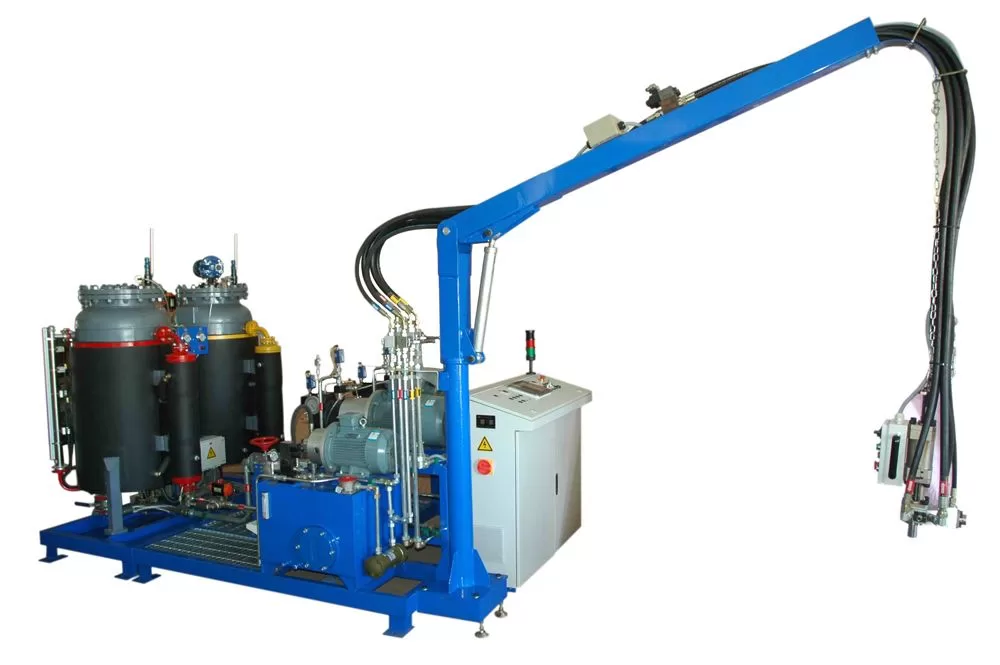
Polyurethaanschuimproducten zijn een soort polymeerproduct dat veel wordt gebruikt in de bouw, transport, elektronica en elektrische apparaten, medische en andere gebieden, en het productieproces is hoofdzakelijk verdeeld in twee stappen: schuimen en vormen. Bij het schuimproces worden de verhouding en verwerkingsomstandigheden van grondstoffen zoals polymeer, katalysator, blaasmiddel en stabilisator gecontroleerd om een chemische reactie in het mengsel te veroorzaken, wat resulteert in een groot aantal bellen en uiteindelijk een schuimstructuur vormt. Tijdens het vormproces wordt het schuim verwerkt door snijden, extruderen en comprimeren om verschillende vormen van producten te maken. In dit artikel zullen we het proces van het maken van polyurethaanschuimproducten en hun toepassingsgebieden in detail introduceren.
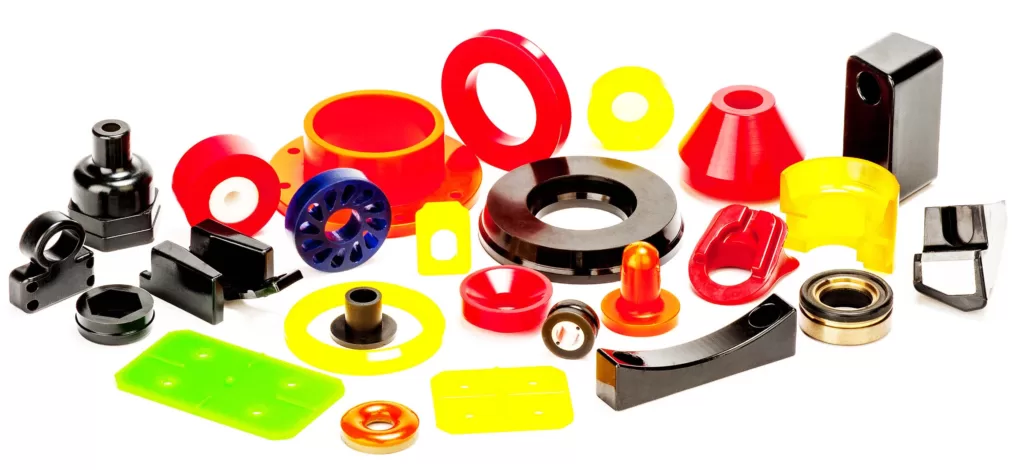
Overzicht van polyurethaanschuimproducten
Polyurethaanschuimproducten zijn een soort polymeermateriaalproduct dat bestaat uit polyurethaanschuimmiddelen, stabilisatoren, katalysatoren, vulstoffen en andere grondstoffen. De schuimstructuur die ervan is gemaakt, heeft uitstekende eigenschappen zoals lichtgewicht, hoge sterkte, hittebehoud, warmte-isolatie, geluidsabsorptie, schokbestendigheid en chemische corrosieweerstand. Het wordt veel gebruikt in de bouw, transport, elektronica en elektrische apparaten, medische en andere gebieden. Onze gebruikelijke autostoelen, meubels en buisisolatiematerialen hebben de vorm van polyurethaanschuim.
Polyurethaanschuim is hoofdzakelijk onderverdeeld in twee categorieën: hardschuim en zacht schuim. Stijf schuim heeft de kenmerken van hoge sterkte, drukweerstand, hittebehoud en warmte-isolatie en wordt vaak gebruikt in het bouwen van muren, daken, vloeren, isolatiepanelen, panelen voor koude opslag en andere gebieden. Het zachte schuim heeft een goede geluidsabsorptie, schokbestendigheid, verpakkingsbescherming en andere kenmerken en wordt vaak gebruikt in de auto-, luchtvaart-, elektronische apparaten, meubels en andere gebieden.
Het principe van het maken van polyurethaanschuimproducten is het controleren van de verhouding tussen grondstoffen en verwerkingsomstandigheden, zodat het mengsel een chemische reactie veroorzaakt, een groot aantal bellen genereert en uiteindelijk een schuimstructuur vormt. De grondstoffen in het schuimproces omvatten polymeren, katalysatoren, schuimmiddelen en stabilisatoren. Het polymeer is het hoofdlichaam van het schuimproduct, de katalysator wordt gebruikt om de schuimsnelheid te regelen, het blaasmiddel produceert bellen en de stabilisator voorkomt dat de bellen breken.
Over het algemeen zijn polyurethaanschuimproducten een soort hoogwaardig en multifunctioneel polymeerproduct met brede toepassingsmogelijkheden.
Materialen
Het materiaal van polyurethaanschuimproducten bestaat hoofdzakelijk uit twee delen: polyurethaangrondstof en schuimmiddel.
Polyurethaan Grondstoffen
- Polyether-type polyurethaan: voornamelijk gebruikt voor het maken van zacht schuim, met betere zachtheid, elasticiteit, waterbestendigheid en slijtvastheid, geschikt voor autostoelen, meubels en andere gebieden.
- Polyester-polyurethaan: voornamelijk gebruikt voor het maken van hardschuim, met hoge sterkte, hardheid en drukweerstand, geschikt voor de bouw, koelplaten, gekoeld karton en andere gebieden.
- Polyol-type polyurethaan: voornamelijk gebruikt om elastomeer te maken, met betere slijtvastheid en oliebestendigheid, geschikt voor auto-, spoorvervoer, luchtvaart en andere gebieden.
Schuimmiddel
- Fysische blaasmiddelen: zoals freon worden gebruikt om schuim te vormen door de druk samen te drukken en te ontspannen om het gas te diffunderen en op te lossen in de grondstof polyurethaan.
- Chemische blaasmiddelen: zoals water en isocyanaat zijn chemische blaasmiddelen die aan de grondstoffen polyurethaan worden toegevoegd en die door een chemische reactie gas vrijgeven en zo schuim vormen.
Naast polyurethaangrondstoffen en blaasmiddelen ook andere hulpstoffen zoals katalysatoren, stabilisatoren en pigmenten. worden toegevoegd om polyurethaanschuimproducten te maken. Deze hulpmaterialen kunnen de prestaties en het uiterlijk van het schuim verbeteren en de kwaliteit van de producten garanderen.
Voorbereidende werkzaamheden
Het maken van polyurethaanschuimproducten vereist een grondige voorbereiding om de kwaliteit van de producten en de veiligheid van de productie te garanderen.
- Reiniging: Voordat u begint, moet u ervoor zorgen dat de werkomgeving en apparatuur schoon zijn om de invloed van stof, vet en andere onzuiverheden op de producten te voorkomen. , moet u de apparatuur, zoals de schuimmachine, de mengkop en de leidingen, reinigen om er zeker van te zijn dat er geen resten en verstoppingen achterblijven om de prestaties van de apparatuur volledig te kunnen benutten.
- Controleer de apparatuur: U moet de prestaties en werkomstandigheden van de schuimmachine, doseerpomp, mengkop, leidingen en andere apparatuur controleren. moet u controleren of de temperatuur, druk, debiet en andere parameters van de schuimmachine normaal zijn om ervoor te zorgen dat de apparatuur stabiel kan werken en de kwaliteit van de producten aan de eisen voldoet.
- Ventilatie: Bij het proces van polyurethaanschuim komen geur en schadelijk gas vrij, wat een zekere invloed zal hebben op de gezondheid van de operators. Daarom is het noodzakelijk om volledig te ventileren voordat polyurethaanschuimproducten worden gemaakt om schadelijke gassen uit het werkgebied te verdrijven om de gezondheid en veiligheid van de operators te garanderen.
- Controle van grondstoffen: Voordat u gaat produceren, moet u controleren of de kwaliteit en prestaties van grondstoffen aan de eisen voldoen. Het type, aandeel en kwaliteit van polyurethaangrondstoffen en schuimmiddelen moeten worden gecontroleerd om de prestaties en kwaliteit van de producten te garanderen.
- Behandeling van blanco mallen: De mal moet worden behandeld om ervoor te zorgen dat het oppervlak van de mal glad en vrij van onzuiverheden en stof is. In het bijzonder moet het vormlosmiddel op het matrijsoppervlak worden aangebracht om te voorkomen dat de producten aan de matrijs blijven kleven en om het uiterlijk en de kwaliteit van de producten te garanderen.
Processtroom
Er zijn veel details bij het maken van polyurethaanschuimproducten, maar het totale proces kan in de volgende vijf stappen worden verdeeld:
- Mallen voorbereiden: bereid eerst de mallen voor van de te maken polyurethaanschuimproducten. Zorg ervoor dat het oppervlak van de mal glad is en vrij van onzuiverheden en stof, en breng een losmiddel aan op het oppervlak van de mal om te voorkomen dat de producten aan de mal blijven plakken.
- Materialen mengen: Doe vervolgens de polyurethaangrondstoffen en het schuimmiddel in een bepaalde verhouding in de mengkop en meng ze grondig. Opgemerkt moet worden dat parameters zoals mengtijd, verhouding en temperatuur moeten worden aangepast aan het specifieke materiaal en de specifieke apparatuur om een uniforme menging en stabiele kwaliteit te garanderen.
- Spuiten: De gemengde polyurethaanschuimvloeistof wordt in de mal gespoten en op natuurlijke wijze uitgezet en uitgehard. Opgemerkt moet worden dat de spuitsnelheid en dikte van polyurethaanschuimvloeistof tijdens het spuiten moeten worden gecontroleerd om oneffen oppervlakken en onvoldoende schuimvorming van de producten te voorkomen.
- Plaatsing en uitharding: De afgewerkte polyurethaanschuimproducten worden in een goed geventileerde omgeving geplaatst en op natuurlijke wijze uitgehard. Opgemerkt moet worden dat de uithardingstijd en temperatuur van de polyurethaanschuimproducten moeten worden aangepast aan de specifieke materialen en producten om een adequate uitharding en stabiele kwaliteit te garanderen.
- Nabehandeling: Na uitharding moeten polyurethaanschuimproducten nabehandeld worden, inclusief snijden, slijpen en spuiten. Opgemerkt moet worden dat het nabehandelingsproces moet worden aangepast aan de grootte, vorm en gebruik van de producten om ervoor te zorgen dat het uiterlijk en de kwaliteit van de producten aan de eisen voldoen.
Zoals hierboven vermeld, is het proces voor het maken van polyurethaanschuimproducten relatief eenvoudig en omvat het voornamelijk de voorbereiding van mallen, het mengen van materialen, spuiten, plaatsen en uitharden, en nabehandeling. Opgemerkt moet worden dat de mengverhouding en de spuitsnelheid tijdens het productieproces strikt gecontroleerd moeten worden om de kwaliteit en stabiliteit van de producten te garanderen.
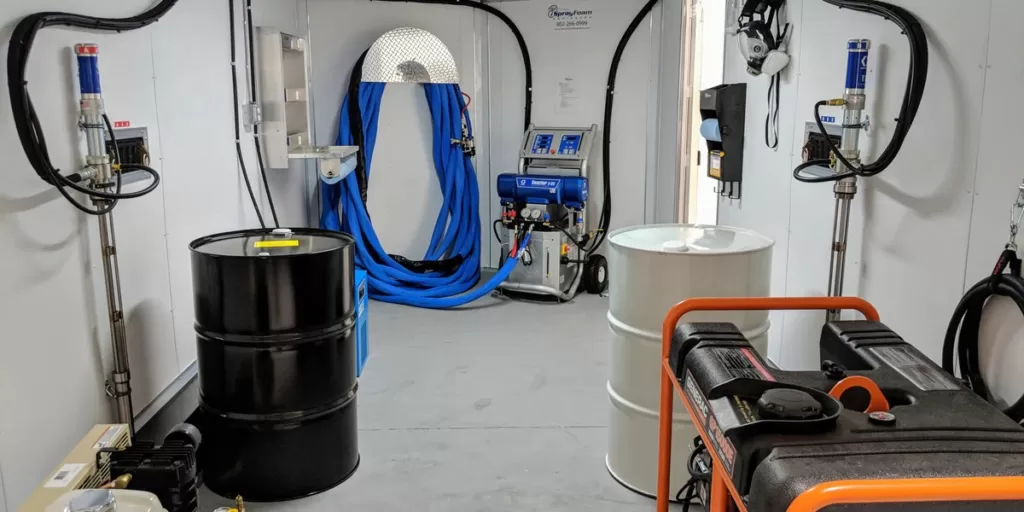
Uithardingstijd
De uithardingstijd van een polyurethaanschuimproduct is de tijd die nodig is vanaf het moment dat het materiaal wordt gemengd totdat het product volledig is uitgehard en stabiel is. Normaal gesproken varieert de uithardingstijd voor polyurethaanschuimproducten van enkele uren tot meerdere dagen.
De specifieke uithardingstijdfactor hangt af van een verscheidenheid aan factoren, waaronder het type en de hoeveelheid gemengde materialen, omgevingstemperatuur en vochtigheid, matrijsgrootte en -vorm en productdikte. Over het algemeen zullen een hogere omgevingstemperatuur en vochtigheid het uithardingsproces van polyurethaanschuimproducten versnellen, terwijl een lagere omgevingstemperatuur en vochtigheid de uithardingstijd zullen verlengen.
Bovendien wordt de uithardingstijd van polyurethaanschuimproducten ook beïnvloed door de dikte en vorm van het product. Bij dikkere of complexer gevormde producten duurt het langer om uit te harden, omdat polyurethaanschuim meer tijd nodig heeft om volledig uit te harden.
Het is belangrijk op te merken dat de uithardingstijd van polyurethaanschuimproducten het productieschema en de gebruikstijd kan beïnvloeden. Bij het maken van polyurethaanschuimproducten moet de uithardingstijd dus volledig in overweging worden genomen en gepland om ervoor te zorgen dat de producten volledig zijn uitgehard en aan de vereisten voldoen.
Kwaliteitscontrole
Kwaliteitscontrole van polyurethaanschuimproducten is erg belangrijk en kan worden gecontroleerd en gewaarborgd door middel van de volgende maatregelen. Deze zijn noodzakelijk, maar niet allemaal:
- Kwaliteitscontrole van materialen: selecteer hoogwaardige grondstoffen en zorg ervoor dat elke partij grondstoffen aan de vereiste normen voldoet. De grondstoffen moeten regelmatig worden getest en de testitems omvatten dichtheid, viscositeit, PH-waarde, enzovoort.
- Onderhoud van apparatuur: Controleer regelmatig de prestaties en status van de apparatuur om een normale werking te garanderen. Regelmatig onderhoud en onderhoud van apparatuur, inclusief reiniging, smering, vervanging van slijtdelen, enzovoort.
- Controle van de bedieningsprocedures: Standaardiseer het beheer van het productieproces en geef professionele vaardigheidstrainingen aan operators om ervoor te zorgen dat de bedieningsprocedures correct, gestandaardiseerd en bruikbaar zijn.
- Kwaliteitsinspectie: Kwaliteitsinspectie van de polyurethaanschuimproducten, inclusief uiterlijk, dichtheid, sterkte, wateropname en andere aspecten. Gooi de niet-gekwalificeerde producten weg en analyseer en verbeter de redenen.
- Milieucontrole: De productieworkshop voor het maken van polyurethaanschuimproducten moet droog en goed geventileerd worden gehouden en een bepaalde temperatuur en vochtigheid handhaven. Voorkom dat stof, onzuiverheden en andere verontreinigende stoffen de productiewerkplaats binnendringen.
Toepassingsgebieden
Bouw en Infrastructuur
Polyurethaanschuimproducten worden in de bouwsector veelvuldig gebruikt voor warmte-isolatie, geluidsisolatie en het waterdicht maken van gebouwen. Polyurethaanschuimplaten worden bijvoorbeeld gewoonlijk gebruikt voor het isoleren van daken en buitenmuren. Bovendien dienen vulmaterialen van polyurethaanschuim als effectieve afdichtingen voor deuren en ramen.
Lucht- en ruimtevaart en transport
De lucht- en ruimtevaartindustrie vindt meerdere toepassingen voor polyurethaanschuimproducten. Deze producten worden gebruikt om warmte-isolatiematerialen voor ruimtevaartuigen, anti-vibratiekussens en meer te maken. In de transportsector speelt polyurethaanschuim een cruciale rol bij geluidsisolatie en trillingsdemping voor voertuigen zoals auto's, treinen en vliegtuigen. Autostoelkussens en hemelbekleding van polyurethaanschuim kunnen bijvoorbeeld het geluid en de trillingen in het voertuig dempen, waardoor het algehele rijcomfort wordt verbeterd.
Milieu- en energiebesparing
Polyurethaanschuimproducten dragen aanzienlijk bij aan energiebesparing. Isolatiepanelen van polyurethaanschuim kunnen bijvoorbeeld het energieverbruik van een gebouw drastisch verminderen, wat leidt tot lagere energierekeningen en een verminderde CO2-uitstoot. Op het gebied van milieubescherming kunnen zakken van polyurethaanschuim voor verpakkingen de milieuvervuiling minimaliseren. Bovendien kunnen geluidsisolatiepanelen van polyurethaanschuim helpen bij het verminderen van geluidsoverlast.
Veelvoorkomende problemen en oplossingen in de productie
Er zullen altijd onvermijdelijk problemen optreden, waarvan de belangrijkste de volgende zijn:
- Ongelijkmatige schuimkwaliteit: Het kan zijn dat de mengverhouding niet klopt en de verhouding grondstoffen aangepast moet worden. Het is ook mogelijk dat het spuiten niet uniform is en dat u de hoek en afstand van het spuiten moet aanpassen.
- Schuimkrimp: meestal veroorzaakt door een lage omgevingstemperatuur of een ongelijkmatige menging van grondstoffen. Dit kan worden opgelost door de omgevingstemperatuur te verhogen of door de materialen opnieuw te mengen.
- Onvoldoende of te hard schuim: Onvoldoende hardheid kan te wijten zijn aan een onvoldoende verhouding van grondstoffen of een ongelijkmatige menging, en te hard kan te wijten zijn aan een te hoge verhouding aan grondstoffen of de te lange uithardingstijd van schuim. Het is noodzakelijk om de verhouding opnieuw aan te passen of de uithardingstijd te controleren.
- Schuimscheuren: Dit kan te wijten zijn aan te dik spuiten of een te hoge luchtvochtigheid in de omgeving, wat resulteert in een ongelijkmatige uitharding van het schuim. Noodzaak om de spuitdikte en vochtigheid te controleren.
- Schuimverkleuring of oxidatie: Dit kan te wijten zijn aan het feit dat de grondstof niet vers is of te lang is opgeslagen, de nieuwe grondstof moet worden vervangen of het opslagbeheer moet worden versterkt.
Om deze problemen aan te pakken kunnen de volgende maatregelen worden genomen:
- Controleer strikt de kwaliteit van de grondstoffen en de doseerverhouding om een uniforme menging te garanderen.
- Verbeter het onderhoud en de reparatie van apparatuur om de kwaliteit en stabiliteit van het spuiten te garanderen.
- Controleer de temperatuur en vochtigheid van de omgeving om de uniformiteit van de schuimuitharding te garanderen.
- Versterk het management van de productielocatie om verlies veroorzaakt door onjuiste bediening of kwaliteitsproblemen te voorkomen.
De productie moet in alle fasen strikt worden gecontroleerd om een stabiele kwaliteit te garanderen. Tegelijkertijd moeten problemen die zich tijdens het productieproces kunnen voordoen, tijdig worden opgelost om de kwaliteit van de producten en de productie-efficiëntie te garanderen.
Voorzorgsmaatregelen bij productie
Polyurethaan is een soort chemische verbinding. Tijdens het productieproces van polyurethaanproducten komen schadelijke stoffen vrij. Daarom moeten bedrijven veiligheid voorop stellen.
- Veiligheid voorop: Let tijdens het productieproces op brandpreventie en explosiepreventie en bescherm uzelf en de mensen om u heen.
- Ventilatie: Tijdens de productie van polyurethaanschuimproducten zullen schadelijke gassen worden gegenereerd, dus voor de productie moet een goed geventileerde plaats worden gekozen en de luchtcirculatie moet worden gewaarborgd.
- Onderhoud van apparatuur: Controleer en onderhoud apparatuur regelmatig, houd apparatuur schoon en voorkom dat onzuiverheden zich in materialen mengen.
- Materiaalopslag: Polyurethaanmaterialen moeten worden opgeslagen op een droge, koele en geventileerde plaats, waarbij direct zonlicht en hoge temperaturen worden vermeden.
- Mengverhouding: Bij het mengen van polyurethaangrondstoffen is het noodzakelijk om de mengverhouding nauwkeurig te controleren, anders heeft dit invloed op de prestaties en kwaliteit van het product.
- Plaatsing van de mal: Voordat de gemengde polyurethaangrondstoffen in de mal worden gegoten, is het noodzakelijk om de mal in de juiste positie te plaatsen en ervoor te zorgen dat het binnenoppervlak van de mal schoon is.
- Milieubeschermingseisen: De productie van polyurethaanschuimproducten moet voldoen aan de milieubeschermingseisen om de productie van afval en schadelijke stoffen tot een minimum te beperken.
Marktvooruitzicht
De markt voor polyurethaanschuimproducten bevindt zich momenteel in een fase van snelle ontwikkeling en de mondiale marktomvang blijft groeien. Als we de bouwsector als voorbeeld nemen, worden polyurethaanschuimproducten voornamelijk gebruikt in bouwmuren, daken, vloeren, leidingen, koude opslag en andere gebieden, en hebben ze uitstekende eigenschappen zoals warmte-isolatie, hittebehoud, brandpreventie, vochtbestendigheid en geluidsisolatie. Volgens gegevens van marktonderzoeksbureaus bedroeg de mondiale markt voor polyurethaanschuimproducten in 2019 12,5 miljard dollar en zal deze naar verwachting in 2025 groeien tot 18 miljard dollar, met een samengesteld jaarlijks groeipercentage van 5,5%.
In de automobielsector worden polyurethaanschuimproducten ook veel gebruikt voor geluidsisolatie, schokabsorptie, hittebehoud en andere aspecten van de auto. Met de opkomst van nieuwe energievoertuigen en de versterking van de lichtgewichttrends in auto's zullen de toepassingsmogelijkheden van polyurethaanschuimproducten breder zijn.
Bovendien breidt zich, met de verbetering van het bewustzijn op het gebied van energiebesparing en milieubescherming, de toepassing van polyurethaanschuimproducten in energiebesparende gebouwen, lucht- en ruimtevaart, elektronica, huishoudelijke apparaten en andere gebieden geleidelijk uit. Er kan worden voorspeld dat de marktvooruitzichten voor polyurethaanschuimproducten een goed ontwikkelingsmomentum zullen blijven behouden.
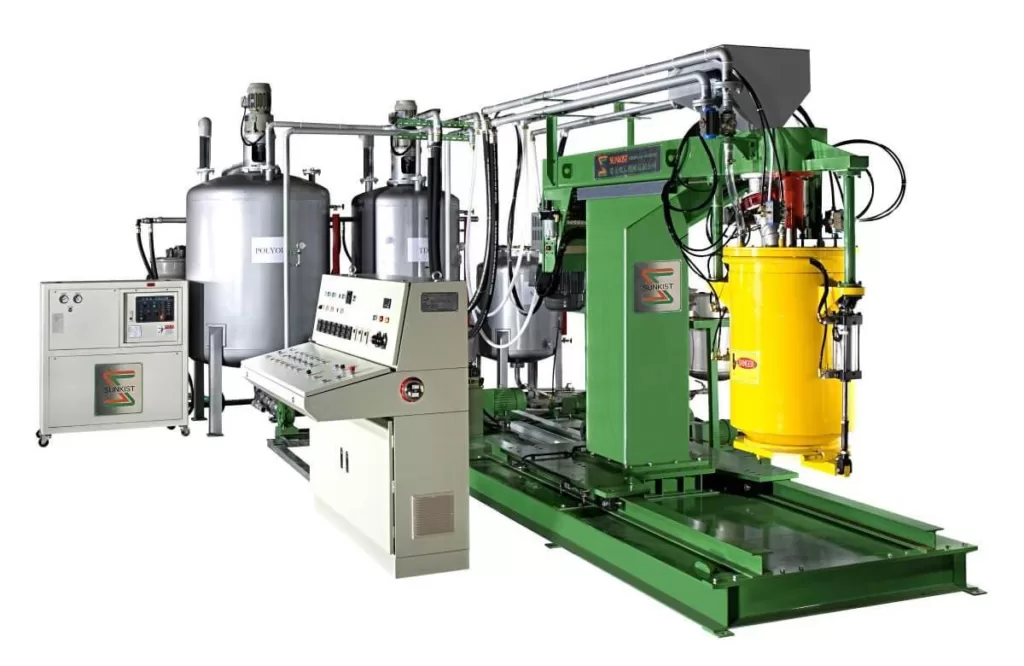
Conclusie
Inzicht in het ingewikkelde proces achter de productie van polyurethaanschuim werpt licht op de nauwgezette inspanningen en precisie die nodig zijn om deze veelzijdige producten te creëren. Terwijl industrieën zich blijven ontwikkelen, is de vraag naar dergelijke aanpasbare materialen duidelijk. Door de nuances van de productie ervan te begrijpen, kunnen we de waarde en het potentieel van polyurethaan bij het vormgeven van onze moderne wereld beter waarderen.