
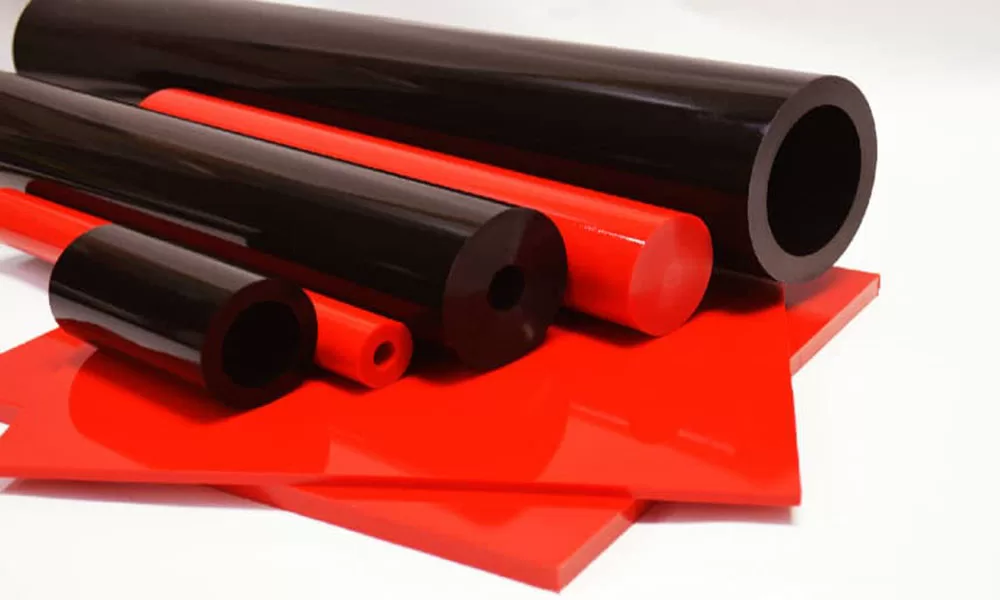
Polyurethaan is een veelgebruikt polymeer materiaal met sterke fysische en chemische eigenschappen. Meestal gemaakt door de reactie van isocyanaat En polyolHet heeft een goede slijtvastheid, corrosieweerstand, oxidatieweerstand en hittebestendigheid. Ze worden veel gebruikt in de industrie, de bouw, de medische sector en de automobielsector. De prestaties van polyurethaanmaterialen worden echter beïnvloed door factoren zoals bereidingsmethoden, formuleringen en processen, dus er is een reeks tests nodig om hun prestaties te evalueren.
Definitie en classificatie
Polyurethaan (PU) is een polymeermateriaal dat wordt gegenereerd door de reactie van isocyanaat en polyol (of polyether, polyester, enzovoort).. Het wordt veel gebruikt in de bouw, transport, geneeskunde, meubels, elektronica, verpakkingen en andere gebieden.
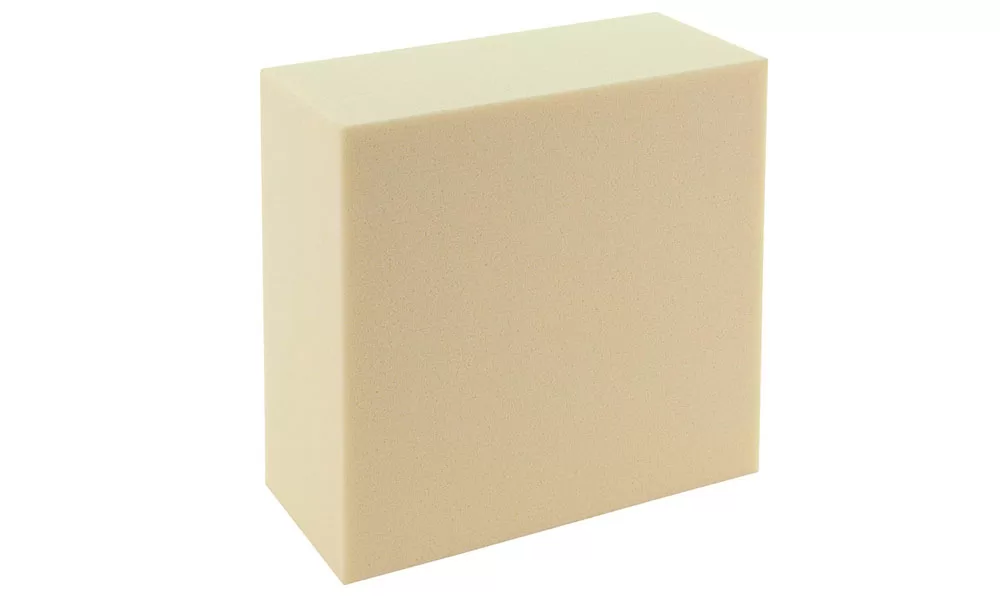
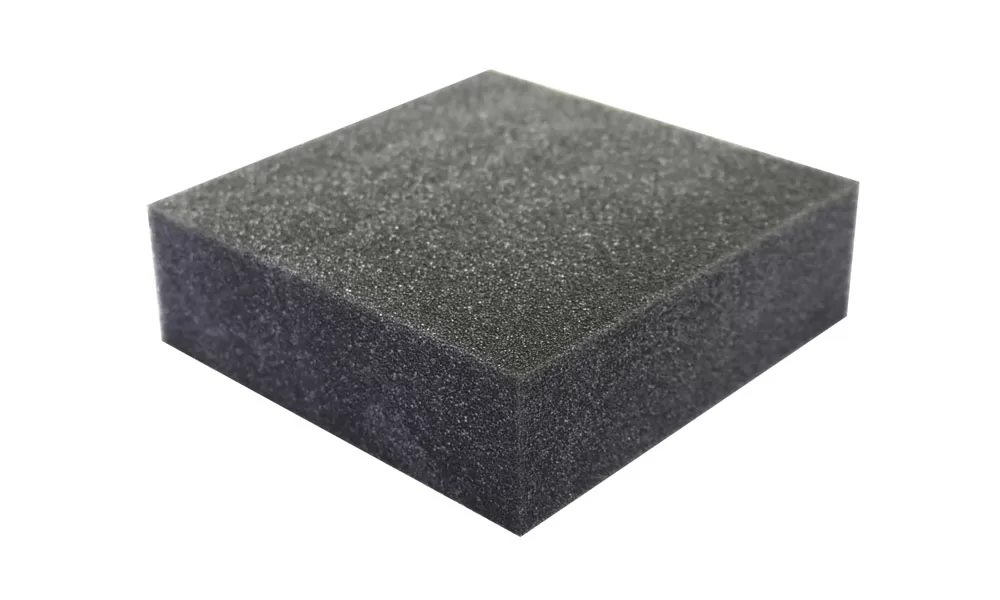
- Stijf polyurethaan: ook bekend als polyurethaanschuim, meestal gebruikt in isolatie, warmte-isolatie, vulling en model, met lichtgewicht, warmte-isolatie, geluidsabsorptie en andere kenmerken.
- Zacht polyurethaan: Ook bekend als elastomeer, wordt het vaak gebruikt bij het maken van kussens, stoelen, kussens, matrassen en schoenzolen. Het heeft een goede elasticiteit, comfort en slijtvastheid.
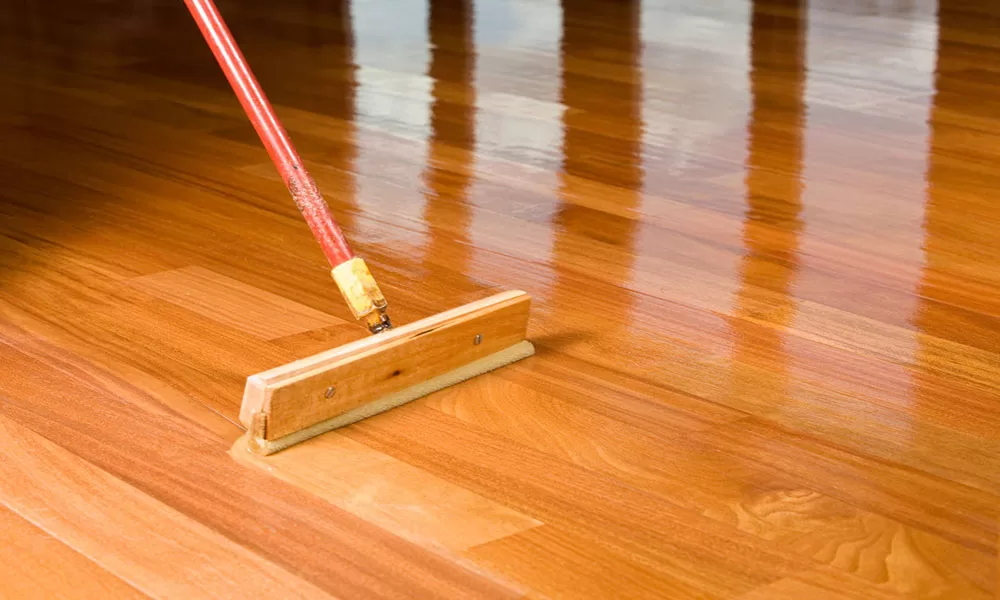
- Polyurethaancoating: voornamelijk gebruikt voor oppervlaktecoating, anticorrosie en andere gebieden, met een goede chemische bestendigheid, slijtvastheid, waterbestendigheid, enzovoort.
- Polyurethaan-elastomeer: voornamelijk gebruikt bij de vervaardiging van zwenkwielen, leuningen en schokdempers, met goede elasticiteit, slijtvastheid en chemische bestendigheid.
- Polyurethaanvezel: vaak gebruikt bij de vervaardiging van stoffen, kogelvrije vesten en isolatiematerialen, met lichtgewicht, hoge sterkte, goede slijtvastheid, enzovoort.
- Andere polyurethaanproducten: zoals polyurethaanlijm, kit en lijm voor de bouw hebben ruime toepassingsmogelijkheden.
Basissamenstelling en kenmerken
Basiscompositie
- Isocyanaat: Isocyanaat is een van de belangrijkste grondstoffen van polyurethaanmaterialen, meestal diisocyanaat of polyisocyanaat, dat in zijn chemische structuur twee isocyanaatgroepen (N=C=O) bevat.
- Polyol: Polyol is een andere belangrijke grondstof voor polyurethaanmaterialen, waaronder polyetherpolyol, polyesterpolyol, enzovoort. De chemische structuur bevat verschillende hydroxylgroepen (-OH).
- Moleculen met lange keten: De vorming van polyurethaanmaterialen vereist de reactie van isocyanaten met polyolen om moleculen met lange keten te produceren, waardoor polymeren worden gevormd.
Materiaaleigenschappen
- Goede slijtvastheid: het heeft een goede slijtvastheid en is geschikt voor de vervaardiging van zeer sterke en slijtvaste producten.
- Goede corrosieweerstand: het heeft een goede corrosieweerstand en kan worden gebruikt om producten met corrosieweerstand te vervaardigen.
- Goede weerstand tegen hoge temperaturen: het heeft een goede weerstand tegen hoge temperaturen en kan worden gebruikt om producten te vervaardigen in omgevingen met hoge temperaturen.
- Het kan in verschillende vormen worden bereid: het kan in verschillende vormen worden bereid door middel van verschillende bereidingsprocessen, zoals hardschuim, zacht schuim, coating, elastomeer, enzovoort.
Bereidingsmethode en processtroom
Polyurethaanmaterialen worden gewoonlijk bereid volgens de prepolymeermengmethode en de specifieke processtroom is als volgt:
- Bereiding van grondstoffen: Meng het isocyanaat en polyol in een bepaalde verhouding, wat meestal onder bepaalde temperatuur- en vochtigheidsomstandigheden moet gebeuren om vocht in het materiaal te voorkomen.
- Reactiemenging: Voeg het gemengde isocyanaat en polyol toe aan de mixer, controleer de reactietemperatuur en -tijd en laat ze reageren om polyurethaanmateriaal te produceren.
- Stabilization treatment: The polyurethane material needs to be stabilized after the reaction to improve its performance stability.
- Processing and molding: The stabilized polyurethane materials are prepared into different shapes by processing and molding equipment.
Het specifieke proces kan worden aangepast en geoptimaliseerd op basis van verschillende bereidingsbehoeften. Er kunnen bijvoorbeeld additieven worden toegevoegd tijdens het reactiemengproces om de polymerisatiesnelheid te verbeteren en de viscositeit te verminderen, en er kunnen verschillende vormmethoden worden gekozen tijdens het verwerkings- en vormproces, zoals zoals spuitgieten, kalanderen en spuiten. Opgemerkt moet worden dat de reactieomstandigheden tijdens de bereiding van polyurethaanmaterialen gecontroleerd moeten worden om de vorming van schadelijke vluchtige stoffen te voorkomen. Ook moet het formulerings- en bereidingsproces van polyurethaanmaterialen worden geoptimaliseerd op basis van verschillende toepassingsvereisten om betere prestaties te verkrijgen.
Testmethoden voor fysieke eigenschappen
Different test methods are applicable to different physical performance indicators, so it is necessary to select the appropriate test method according to the specific needs and purposes when conducting tests to obtain accurate test results. At the same time, test standards and specifications need to be followed to ensure the reliability and accuracy of the testing process.
- Density test: Measure the mass and volume of the material to calculate its density, The common test methods are the water displacement method and gasverplaatsing methode.
- Hardheidstest: Wordt gebruikt om de hardheid en elasticiteit van het materiaal te karakteriseren, veelgebruikte testmethoden zijn dat ook Rockwell-hardheid, de hardheid van Barr, de hardheid van Dürr, enzovoort.
- Trekproef: Veelgebruikte testmethoden zijn trekbanken en universele materiaaltestmachines.
- Compressietest: De gebruikelijke testmethoden zijn compressietestmachines.
- Buigtest: De gebruikelijke testmethoden zijn een driepuntsbuigtester en een vierpuntsbuigtester.
- Slijtagetest: De gebruikelijke testmethoden zijn een glijdende slijtagetester en een roterende slijtagetester.
- Thermische prestatietest: De gebruikelijke testmethoden zijn de thermische uitzettingscoëfficiënttest, de thermische geleidbaarheidstest, de specifieke warmtecapaciteitstest, enzovoort.
- Impacttest: Wordt gebruikt om de slagvastheid en slagvastheid van het materiaal te testen. Gebruik hiervoor de impacttester van Charpy.
Testmethoden voor thermische prestaties
Testmethoden voor de thermische eigenschappen van polyurethaanmaterialen omvatten het volgende:
- Thermische uitzettingscoëfficiënttest: wordt gebruikt om de hoeveelheid lineaire of bulkuitzetting van het materiaal te testen die wordt veroorzaakt door temperatuurveranderingen, meestal met behulp van een thermische uitzettingscoëfficiëntmeter voor het testen.
- Thermische geleidbaarheidstest: wordt gebruikt om de thermische geleidbaarheid van het materiaal te testen, meestal met behulp van een thermische geleidbaarheidsmeter.
- Test van thermische uitzettingssnelheid: wordt gebruikt om de thermische uitzettingssnelheid van het materiaal te testen, meestal met behulp van de thermische uitzettingsmeter.
- Thermische ontledingstemperatuurtest: wordt gebruikt om de thermische stabiliteit van het materiaal bij hoge temperaturen te testen, meestal met behulp van een thermisch ontledingsinstrument.
- Specifieke warmtecapaciteitstest: wordt gebruikt om de specifieke warmtecapaciteit van het materiaal te testen, meestal met behulp van een differentiële scanningcalorimeter voor het testen.
Testmethoden voor elektrische prestaties
Testmethoden voor de elektrische eigenschappen van polyurethaanmaterialen omvatten het volgende:
- Weerstandstest: wordt gebruikt om de soortelijke weerstand van het materiaal te testen, meestal met behulp van de testmethode met vier aansluitingen.
- Isolatieweerstandstest: wordt gebruikt om de isolatie-eigenschappen van het materiaal te testen, meestal met behulp van een isolatieweerstandstester.
- Diëlektrische constante en diëlektrische verliestest: wordt gebruikt om de diëlektrische eigenschappen van het materiaal te testen, meestal met behulp van een diëlektrische verliestester.
- Vernietigingsspanningstest: wordt gebruikt om de vernietigingsspanning van het materiaal te testen, meestal met behulp van een hoogspanningscoronatester.
Testmethode voor chemische weerstand
De testmethoden voor de chemische weerstand van polyurethaanmaterialen omvatten het volgende:
- Zuur- en alkalibestendigheidstest: wordt gebruikt om de corrosieweerstand van materialen in zure en alkalische media te testen, meestal met behulp van de onderdompelingsmethode of sproeimethode voor testen.
- Oplosmiddelbestendigheidstest: wordt gebruikt om de weerstand van het materiaal tegen oplossing in organische oplosmiddelen te testen, meestal met behulp van de onderdompelingsmethode of spuitmethode.
- Oxidatieweerstandstest: wordt gebruikt om de oxidatieweerstand van het materiaal te testen onder invloed van oxidatiemiddelen, meestal met behulp van de verwarmingsmethode of onderdompelingsmethode om te testen.
- UV-bestendigheidstest: wordt gebruikt om de weerstand tegen veroudering door licht van het materiaal onder UV-straling te testen, meestal met behulp van de UV-verouderingstester.
Testmethode voor slijtvastheid
De testmethoden voor de slijtvastheid van polyurethaanmaterialen omvatten het volgende:
- Slijtagetest: wordt gebruikt om de prestaties van het materiaal te testen onder invloed van wrijving en slijtage, meestal met behulp van een roterende slijtagetester, een glijdende slijtagetester of een schurende wielslijtagetester voor het testen.
- Impact Wear Test: Om de prestaties van een materiaal te testen onder invloed van impact en slijtage, meestal met behulp van een impact-slijtagetester.
- Wrijvingscoëfficiënttest: Het wordt gebruikt om de prestaties van het materiaal onder invloed van wrijving te testen, meestal met behulp van een wrijvingscoëfficiënttester.
Toepassingsgebieden en vooruitzichten
Polyurethaanmaterialen hebben uitstekende fysische, chemische en mechanische eigenschappen en worden daarom gebruikt in een breed scala aan toepassingen, waaronder:
- Bouwveld: gebruikt in warmte-isolatie, geluidsisolatie, waterdichtheid en anti-corrosie, zoals isolatieplaat, waterdichte coating, materialen op asfaltbasis, enzovoort.
- Transportveld: Gebruikt bij de vervaardiging van auto's, vliegtuigen, treinen en andere transportmiddelen, zoals carrosserieën, stoelen, banden, afdichtingen, enzovoort.
- Meubelveld: gebruikt bij de vervaardiging van meubels en matrassen, zoals banken, matrassen, stoelen, massagekussens, enzovoort.
- Medisch en gezondheidsgebied: gebruikt bij de vervaardiging van medische apparatuur en kunstmatige organen, zoals kunstmatige harten, kunstmatige botten, spuiten, enzovoort.
- Elektronische en elektrische velden: gebruikt bij de vervaardiging van elektronische componenten, isolatiematerialen, kabels, zoals elektronische componenten, draden, kabelisolatiematerialen, enzovoort.
In de toekomst zullen, met de voortdurende vooruitgang van wetenschap en technologie en de voortdurende verbetering van het bereidingsproces van polyurethaanmaterialen, de toepassingsgebieden van polyurethaanmaterialen blijven uitbreiden, vooral op het gebied van hoogwaardige materialen, zoals nieuwe energie en nieuwe materialen, zullen polyurethaanmaterialen een breder toepassingsperspectief hebben.
Conclusie
De veelzijdigheid en robuuste eigenschappen van polyurethaan maken het tot een gewild materiaal in tal van industrieën. Het aanpassingsvermogen ervan, gecombineerd met het vermogen om in verschillende vormen te worden gegoten, zorgt ervoor dat het relevant blijft. Naarmate de technologische vooruitgang voortduurt, zullen de toepassingen van polyurethaan zich uitbreiden, waardoor de positie van polyurethaan als onmisbaar materiaal in de moderne industrie wordt versterkt.

Eén reactie
Het is echt een cool en nuttig stukje informatie. Ik ben blij dat je gewoon
heeft deze nuttige informatie met ons gedeeld. Houd ons alstublieft op deze manier op de hoogte.
Bedankt voor het delen.