
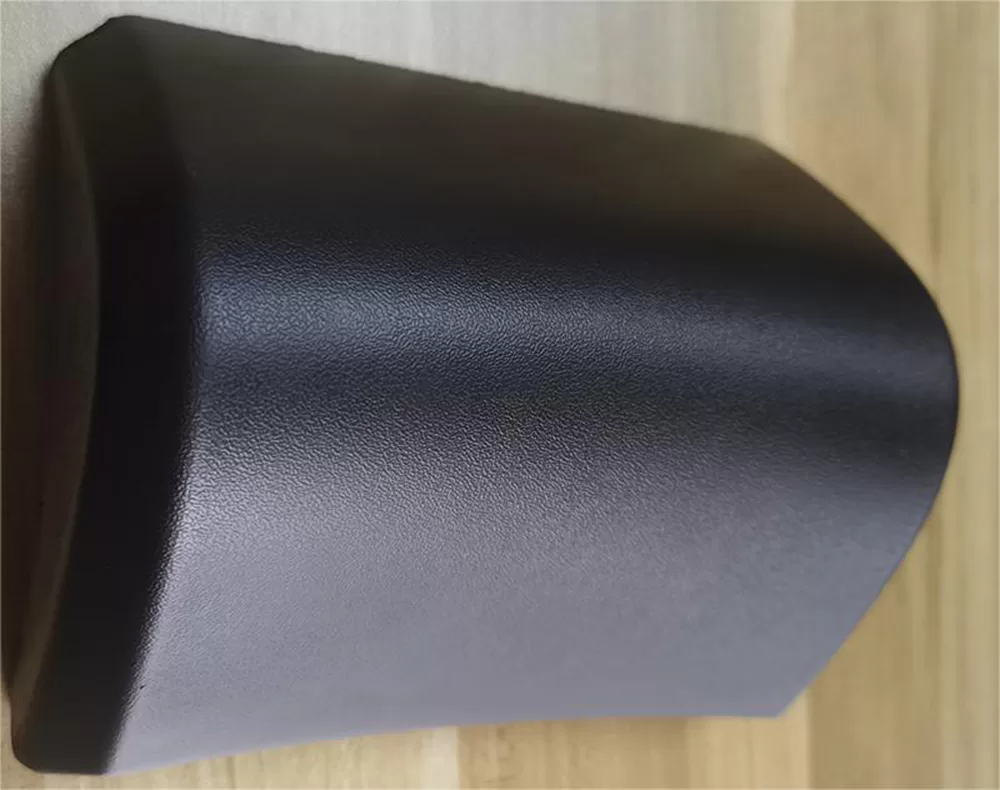
ポリウレタン(PU)フォーム製品の金型は、製造プロセス中にテクスチャによって処理する必要があります。テクスチャによって金型の表面粗さと摩擦係数が改善され、金型の密着性が向上し、離型の困難さと問題が軽減されます。同時に、テクスチャーは金型のシール性と耐摩耗性を高め、耐用年数と安定性を向上させることもできます。したがって、テクスチャー加工はポリウレタンフォーム製品の製造プロセスにおいて非常に重要な部分です。今回は、ポリウレタンフォーム製品の金型にシボ加工を施す理由について詳しく説明します。
The Process of Making Polyurethane Foam Products
Polyurethane foam products are a kind of products made by using polyurethane materials, which have excellent performance of sound insulation, heat preservation, and shockproof, and are widely used in the fields of construction, transportation, home appliances, and aerospace. The process of making polyurethane foam products is mainly divided into the following steps:
- Prepare materials: The materials needed to make polyurethane foam products include polyurethane resin, catalyst, curing agent, foaming agent, filler, and so on.
- 金型の噴霧:あらかじめ製作した金型を専用のスプレーガンに入れ、金型表面にポリウレタン原料を噴霧し、完全に均一に噴霧した後、一定時間発泡を待ちます。
- 発泡加熱:ポリウレタン原料を噴霧した後、専用の発泡炉で加熱することにより急速に膨張し、金型全体に充填され、所定の形状のポリウレタン発泡製品が形成されます。
- 金型冷却:ポリウレタン原料が発泡により加熱された後、硬化剤が発泡原料を完全に硬化させてポリウレタン発泡製品に必要な硬度と強度を得るために、金型内で一定時間冷却および硬化する必要があります。
- 脱型処理:金型内のポリウレタン製品が冷却・硬化した後、金型を取り出して脱型し、ポリウレタンフォーム製品を金型から完全に分離します。
- 加工: ポリウレタンフォーム製品を金型から取り出した後、さまざまな業界や用途の特定の要件を満たすために必要な加工と表面仕上げを行う必要があります。
上記はポリウレタンフォーム製品の製造プロセスです。興味のある方は、私の他の記事も参照してください。 ポリウレタン製品製造の基本的な手順。
モールドテクスチャとは何ですか、そしてそれは何をするのですか
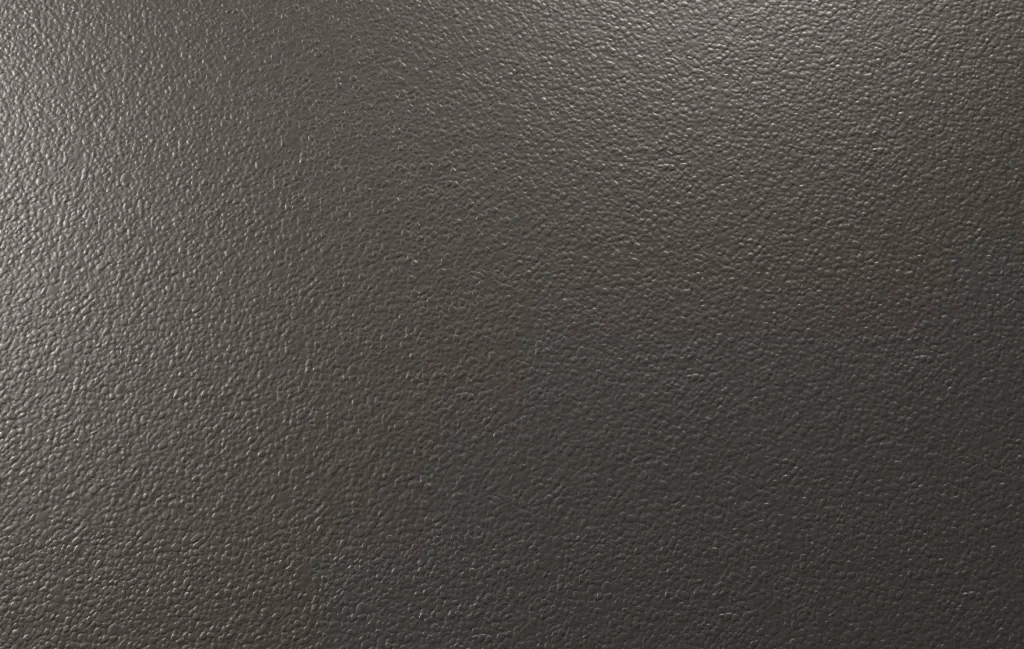
The textured is a common mold surface treatment process to improve the surface roughness and friction coefficient of the mold by forming tiny concave and convex patterns on the mold surface, which directly affects the aesthetics and surface strength of the product surface. This treatment can make the mold have better adhesion and reduce the difficulty and problem of mold release. Texture can also increase the sealing and wear resistance of the mold, improving its service life and stability. Therefore, textured is a very important part of the manufacturing process of polyurethane foam products.
金型の製造プロセスでは、通常、ウォータージェットまたはレーザー切断によってテクスチャが作成されます。金型表面に微細な凹凸を形成することで金型表面を粗くすることができ、金型表面と発泡製品の接触面積が増加し、密着性やシール性が向上します。同時に、テクスチャーは金型の耐摩耗性を高め、使用中の摩耗や損傷を軽減し、金型の耐用年数を向上させることもできます。
Although texture can effectively improve the surface roughness and friction coefficient of the mold, in the actual operation process, it is necessary to choose the suitable texture solution according to different product requirements and production processes. In addition, texture also needs to pay attention to some issues, such as the control of texture depth and density, the design of texture position and shape, surface treatment before and after texture, and so on. Therefore, it is necessary to operate in strict accordance with the relevant norms and standards to ensure the effect and quality of texture treatment.
Development Status of Mold Texture
Mold texture is a technique for manufacturing molds, which can make the mold surface form different patterns, making the mold more wear-resistant, corrosion-resistant, and easier to release in use. With the development of industry and the progress of technology, mold texture is also developing and improving. At present, there are mainly the following kinds of mold texture technology:
- Traditional manual texture technology: This technology is the earliest texture technology, using hand tools, such as steel brush, wire brush, steel wire ball, and so on. Due to the defects of manual operation, the manufacturing efficiency is low and the consistency of products is poor.
- Machine texture technology: This technology is done by some machines, such as needles, disks, double-headed texture machines, manual texture machines, and so on. This technology is more efficient than traditional manual texture technology, and the consistency of the products will be improved.
- Digital texture technology: With the development of computer technology, digital texture technology is widely used in the mold industry. Digital texture technology can control the pattern and depth of texture patterns on the surface of the mold by computer, thus making the mold more convenient and efficient to use.
In general, mold texture technology is constantly improving and developing, and it will be more diversified and intelligent in the future. At the same time, texture technology will also be more widely used in new materials and new production processes.
The Relationship Between Textured and Product Quality
Mold texture technology is a process of creating patterns on the surface of the mold, which not only adds an aesthetic effect to the product but also improves the quality of the product.
- First, for industries that require the manufacture of a large number of products, such as ceramics, tiles, and glass, the use of mold texture technology can greatly improve the consistency and accuracy of the product. Unlike manual production, mold texture ensures that each product has the exact same pattern, which helps improve the overall quality of the product.
- 第二に、モールドテクスチャー技術により、製品の耐久性と安定性を向上させることができます。金型を細かく作ることにより、金型の表面のパターンが明確で耐久性があり、摩耗しにくいことが保証されます。同時に、製品の表面をより平坦にすることができ、製品の安定性を確保し、製品の表面の凹凸によって引き起こされる問題を軽減します。
- Finally, mold texture technology can also improve the added value of the product and bring more economic benefits to the enterprise. Some high-end products need to use unique ornaments and designs to attract consumers, and this is where mold texture technology plays an important role. Through the clever use of mold texture technology, enterprises can produce more artistic and personalized products to attract more consumers and improve the added value of products and market competitiveness.
To sum up, mold texture technology is closely related to product quality, which can not only ensure the accuracy and durability of product production but also improve the added value and artistic sense of products.
Construction Methods and Techniques of Textured
The construction of the mold texture technique is divided into two steps:
- The first step is to make the mold. The mold is an important part of the mold texture technique. Making high-quality molds can ensure that the pattern on the surface of the mold is clear durable and not easy to wear. The production of molds needs to choose suitable materials, such as aluminum alloy, steel, and plastic, while using advanced technical equipment, such as laser cutting, and CNC machining, to ensure the precision and accuracy of the molds.
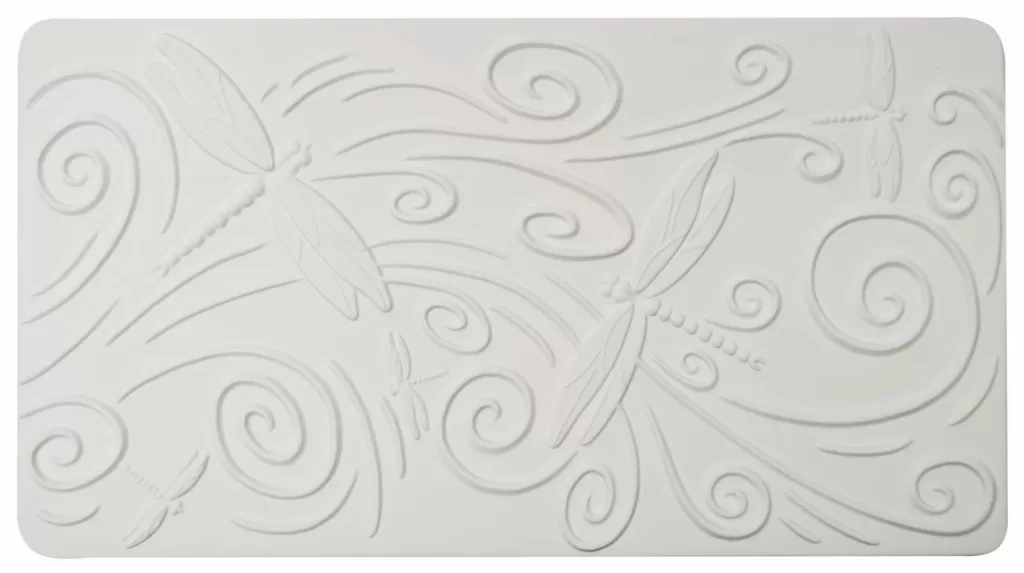
- The second step is texturing. The texture is the core part of mold texture technology. The construction of texturing needs to spray a layer of paint on the made mold first, and then cover the surface of the mold with a special decorative film when the paint is not yet dry. Usually, the decoration film is made of polyester film, plastic film, and other materials, while the pattern can be painted on the film or sticky.
- Next, the film is pressed onto the mold surface with heat to make it fit tightly to the mold surface. The mold is then placed at a constant temperature (about 50-80 degrees) for a period of time to ensure that the paint is thoroughly dried and cured. Finally, the decoration film on the mold surface is gently peeled off to complete the construction of the molded texture.
Tips for mold texture:
- Choose the right paint and decoration film. The choice of paint and decorative film determines the decorative effect and durability of the mold surface.
- Control the heating time and temperature. Too short a heating time or too high a temperature will lead to paint film discoloration, film wrinkles, and other problems, affecting the effect and quality of the mold surface decoration.
- Pay attention to avoid touching or colliding with the surface of the mold when operating. Any collision or friction on the surface of the mold may lead to deformation or damage to the pattern of the decoration.
- Regularly maintain and repair the mold. Clean the dirt and residue on the surface of the mold in time to keep the surface of the mold clean and shiny to prolong the service life of the mold and maintain the decoration effect.
Precautions and Problem-Solving for Textured
The texture is an important process in mold processing, mainly by creating a certain structure on the surface of the mold to improve the anti-slip and adhesion of the mold. However, there are some precautions and problems that need to be noted and solved during the process.
注意事項
- Select the appropriate texture pattern: The selection of a textured pattern is very important, and it needs to take into account the use field, anti-slip effect, cleanliness, and other factors. Different textures correspond to the embossing depth, pattern density, interlacing angle, and other parameters also need to make corresponding adjustments.
- Master the temperature and pressure of the texture pattern: the temperature and pressure of the texture pattern are the key factors affecting the effect of the texture pattern, and these two parameters must be mastered. Too high a texture temperature will easily lead to mold deformation, too low will easily appear cracks; too much pressure will lead to mold surface damage, and too little will have a poor texture effect.
- Choose high-quality texture material: the quality of texture material directly affects the effect of texture, you should choose high-quality texture material with stable quality to avoid problems such as texture not being clear or easy fall off.
Problem-Solving
- テクスチャが不鮮明です。テクスチャ圧力が十分に大きくない、エンボス深さが十分でない、テクスチャ温度が低すぎるなどが原因である可能性があります。テクスチャ パラメータを調整してテクスチャの数を増やし、テクスチャが所定の位置に完全に実装されるようにすることができます。
- テクスチャが硬くない: テクスチャ素材の品質が悪い、テクスチャ温度が高すぎるか低すぎる、テクスチャが不十分であることが原因である可能性があります。テクスチャ素材をより高品質なものに置き換えたり、テクスチャパラメータを調整したり、テクスチャの回数を増やしたりすることができます。
- Mold surface damage: It may be caused by too much texture pressure, not enough hardness of mold surface, not good quality of material, and so on. You can adjust the texture pressure appropriately, enhance the hardness of the mold surface, and choose better-quality materials.
Application Examples of Textured
Polyurethane shoulder and neck relaxer is a common massage appliance used to relieve fatigue and stiffness in the shoulder and neck area. In its production process, mold texture is an important process for creating polyurethane foam with a comfortable feel and beautiful texture. The following is a detailed application example.
First, we need to prepare a mold of a suitable size and apply a thin layer of mold oil or release agent to the surface of the mold to facilitate the smooth release of the polyurethane foam from the mold. Next, they need to create a specific mold textured to produce a comfortable feel and aesthetically pleasing pattern of polyurethane foam. The pattern of the mold was textured and can be customized according to customer requirements and market trends.
Next, we take the prepared polyurethane material and pour it into the mold to be foamed for a certain period of time. During this process, an automated device sprays the foam evenly over the surface of the mold, which rotates rapidly from top to bottom, to create the right thickness and pattern.
When the polyurethane foam is sufficiently foamed and strong enough, we continue with subsequent steps, such as demolding and edge trimming. The end result is a comfortable, aesthetically pleasing polyurethane shoulder and neck relaxer with a molded textured.
In summary, mold texture is an effective process in the production of polyurethane foam products, providing a more aesthetic appearance and a more comfortable feel. This process has been widely used in many different types of polyurethane foam products, such as decorative materials, car seat cushions, medical supplies, and so on.
The Future Development Trend of Textured
With the development of the polyurethane foam products industry, mold texture, as one of the important processes, is also constantly developing and improving. The following is the future development trend and outlook of mold textured.
The degree of refinement and automation will be further improved
製造技術の継続的な進歩により、テクスチャード加工された金型の製造はより洗練され、自動化されるでしょう。たとえば、インテリジェントな CNC 工作機械と自動生産ラインは、さまざまな複雑な金型パターンを迅速かつ正確に生産できるため、生産効率と製品品質が向上します。同時に、人工知能やその他のテクノロジーは、金型パターンの設計と最適化にさらに役立ち、製品の外観をより美しくし、市場の需要を満たすことができます。
革新的なデザインが開発の鍵となる
In the future, as market competition intensifies, innovative product design will become an important means for manufacturers to improve their competitiveness. Mold textured, as an important part of product appearance, will require more creativity and design to meet the changing needs of consumers.
Environmentally friendly materials will be popularized
With the increasing awareness of environmental protection and concern for health, the materials used for future mold texture will become more and more environmentally friendly and healthy, such as the use of biodegradable materials or more healthy polyurethane materials.
Diversified demand will drive the development of mold-textured
With the emergence of various polyurethane foam products, the demand for mold texture will also become more diversified. In the future, the molded texture will need to be applied to more different polyurethane foam products and more mold textures for different products will be developed.
In short, the future mold texture will continue to develop and improve in terms of refinement, automation, innovative design, environmentally friendly materials, and diversified needs, providing more efficient, personalized, and environmentally friendly solutions for the production of polyurethane foam products.

結論
金型表面に小さなパターンを作成することによって実現されるテクスチャリングは、接着性、シール性、耐摩耗性を強化し、より優れた製品の品質と一貫性を保証します。モールドテクスチャリングは製品の美しさだけでなく機能性も向上させ、PU フォーム製造プロセスにおける重要な役割を強調します。