

Polystyrene and polyurethane are two commonly used materials in the production of foam spheres. Each material has its unique properties and applications, making them suitable for different uses. This article provides a comprehensive comparison of polystyrene foam spheres and polyurethane foam spheres, discussing their properties, applications, and the advantages and disadvantages of each.
Understanding Polystyrene Foam Spheres
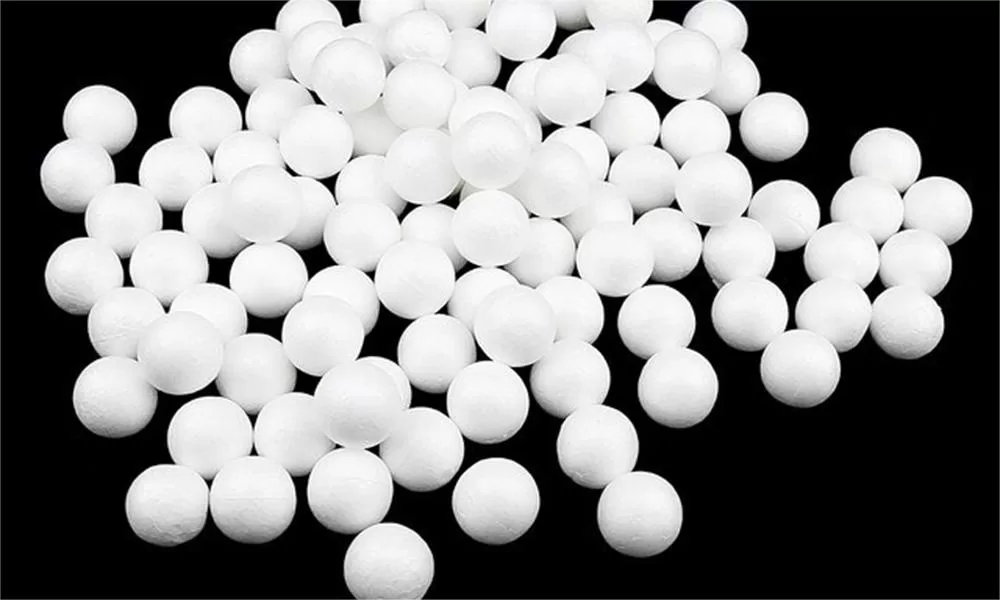
Polystyrene foam spheres are a type of synthetic polymer material that is widely used in various industries due to its lightweight, insulating, and buoyant properties. They are made from polystyrene, a petroleum-based plastic, and are commonly used in packaging, insulation, and flotation devices. The physical properties of polystyrene foam spheres are largely determined by their structure. They are composed of a network of tiny, closed-cell spheres that trap air within them. This structure gives the foam its lightweight and insulating properties. The size and density of the spheres can be controlled during the manufacturing process, allowing for the production of foams with different properties for specific applications.
Understanding Polyurethane Foam Spheres
Polyurethane foam spheres are another type of synthetic polymer material that is widely used in various industries. They are made from polyurethane, a type of polymer that is formed by the reaction of a polyol (a molecule with multiple hydroxyl functional groups) and an isocyanate. The physical properties of polyurethane foam spheres are largely determined by their structure and the specific types of polyols and isocyanates used to make them. They are composed of a network of tiny, closed-cell spheres that trap air within them. This structure gives the foam its lightweight and insulating properties. The size and density of the spheres can be controlled during the manufacturing process, allowing for the production of foams with different properties for specific applications.
Comparing the Physical Properties
When comparing the physical properties of polystyrene foam spheres and polyurethane foam spheres, several similarities and differences can be noted. Both types of foam spheres are lightweight, have excellent insulating properties, and are composed of a network of tiny, closed-cell spheres that trap air within them. However, there are also some key differences between the two. For example, polyurethane foam spheres are generally more flexible and resilient than polystyrene foam spheres. This is due to the presence of urethane linkages in the polymer chain, which give the foam its elastic properties.
Comparing the Thermal Properties
In terms of thermal properties, both polystyrene and polyurethane foam spheres exhibit excellent thermal insulation due to their closed-cell structure. However, polyurethane foam spheres generally have a higher thermal resistance than polystyrene foam spheres. This is because polyurethane foam has a lower thermal conductivity, meaning it is more effective at reducing heat transfer. This makes polyurethane foam spheres particularly well-suited for applications that require superior thermal insulation, such as building insulation and packaging for temperature-sensitive products.
Comparing the Environmental Impact
環境への影響に関しては、ポリスチレン球とポリウレタンフォーム球の両方に独自の課題があります。発泡ポリスチレンは石油ベースの製品であるため、再生不可能な資源の枯渇につながり、生分解性ではないため、重大な環境問題につながります。ポリウレタンフォームも石油製品由来ですが、より環境に優しいプロセスと材料で製造できます。しかし、環境中では容易に分解されないため、廃棄の問題も生じます。どちらの材料もリサイクル可能ですが、プロセスが複雑で広く利用できるわけではありません。
コストの比較
In terms of cost, polystyrene foam spheres are generally less expensive to produce than polyurethane foam spheres. This is largely due to the simpler manufacturing process and lower cost of raw materials for polystyrene. However, the cost can vary depending on the specific properties and quality of the foam. Polyurethane foam, while more expensive, offers superior performance characteristics, which may justify the higher cost in certain applications.
Applications of Polystyrene Foam Spheres
Polystyrene foam spheres are widely used in a variety of applications due to their lightweight, insulating, and buoyant properties. They are commonly used in packaging materials, insulation, and flotation devices. In addition, they are often used in crafts and decoration due to their smooth surface and ease of painting. Other applications include the use of lightweight construction materials and the production of disposable food service items.
Applications of Polyurethane Foam Spheres
Polyurethane foam spheres are used in a wide range of applications due to their flexibility, resilience, and excellent insulating properties. They are commonly used in furniture and bedding for their comfort and durability. They are also used in insulation for buildings and appliances, in automotive parts for noise and vibration reduction, and in packaging for their protective properties. Other applications include use in medical devices and in sports equipment due to their shock-absorbing properties.
結論
ポリスチレン球とポリウレタンフォーム球はどちらも独自の特性と用途を持っています。発泡ポリスチレン球は軽量、剛性、浮力に優れていますが、発泡ポリウレタン球は密度が高く、柔軟性があり、断熱性に優れています。この 2 つのどちらを選択するかは、アプリケーションの特定の要件によって異なります。