
Understanding TMJ Disorder
Temporomandibular joint disorder, commonly known as TMJ, is a condition that affects the joint connecting your jaw to the temporal bones of your skull. This joint is responsible for facilitating various movements like chewing, speaking, and yawning. When this joint is disrupted, it can lead to a range of uncomfortable symptoms, collectively referred to as TMJ disorder.
Symptoms of TMJ Disorder
The symptoms of TMJ disorder can vary widely, but they often include pain or tenderness in your jaw, aching pain in and around your ear, difficulty chewing or discomfort while chewing, aching facial pain, and locking of the joint, making it difficult to open or close your mouth. Some people may also experience a clicking or grating sensation when they open their mouths or chew. In severe cases, this disorder can even lead to headaches, hearing loss, and tinnitus.
Causes of TMJ Disorder
Les troubles de l’ATM peuvent être causés par divers facteurs. La génétique peut jouer un rôle, certaines personnes étant plus prédisposées à cette maladie en raison de leur constitution génétique. L'arthrite peut également entraîner des troubles de l'ATM, car elle provoque une inflammation des articulations. Une blessure à la mâchoire, comme un coup ou un coup du lapin, peut perturber l'articulation et entraîner des troubles de l'ATM. Des habitudes comme serrer et grincer des dents, connues sous le nom de bruxisme, peuvent également exercer une pression sur l'articulation et provoquer des troubles de l'ATM.
Le lien entre les douleurs aux ATM, au cou et aux épaules
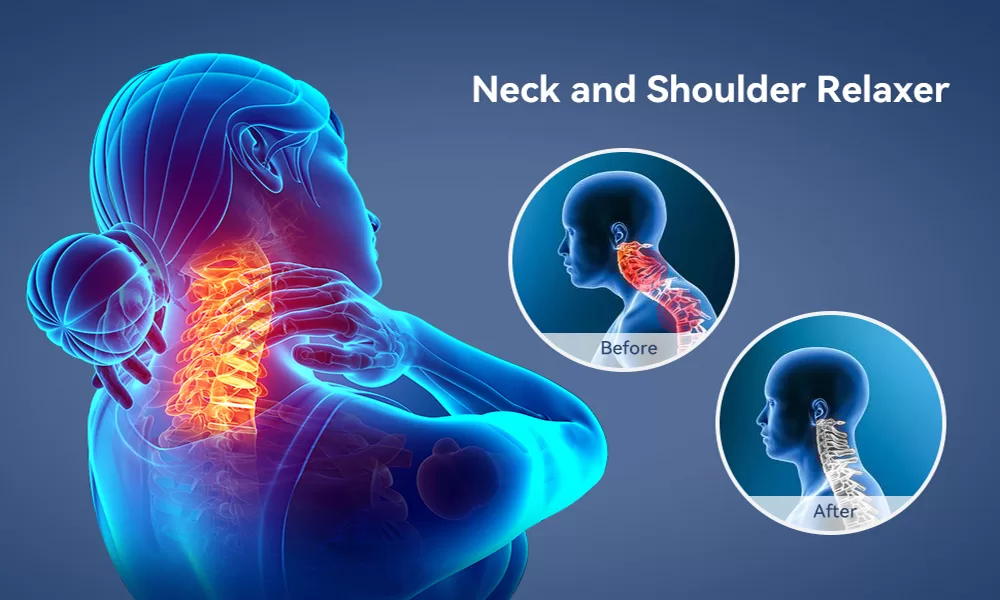
TMJ disorder can lead to pain that extends beyond the jaw, causing neck and shoulder pain. This is because the muscles in these areas are interconnected and work together to facilitate movement. When there’s a problem with one, it can affect the others. For instance, if you have TMJ disorder, you might unconsciously adjust your neck and shoulder position to minimize jaw pain, leading to strain and discomfort in these areas.
The Importance of Proper Pain Relief
The Impact of Chronic Pain
La douleur chronique, comme celle provoquée par un trouble de l'ATM, peut avoir un impact significatif sur votre qualité de vie. Cela peut affecter votre capacité à effectuer vos activités quotidiennes, la qualité de votre sommeil et votre humeur générale. La douleur chronique peut également entraîner d’autres problèmes de santé, comme la dépression et l’anxiété. Il est donc crucial de trouver un soulagement efficace de la douleur.
Le rôle de la relaxation dans la gestion de la douleur
La relaxation est un élément crucial de la gestion de la douleur. Il peut aider à réduire la tension musculaire, à améliorer la circulation et à favoriser le bien-être général, ce qui peut contribuer à soulager la douleur. Des techniques telles que la respiration profonde, la relaxation musculaire progressive et l’imagerie guidée peuvent aider à favoriser la relaxation et à réduire la douleur.
Relaxants du cou et des épaules : une solution pour les douleurs des ATM
Comment fonctionnent les relaxants pour le cou et les épaules
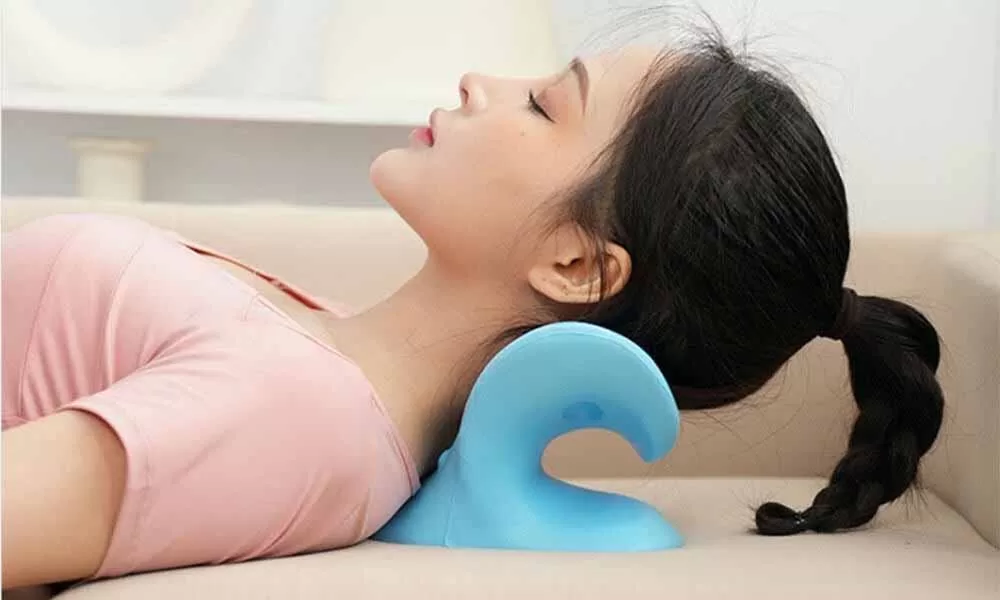
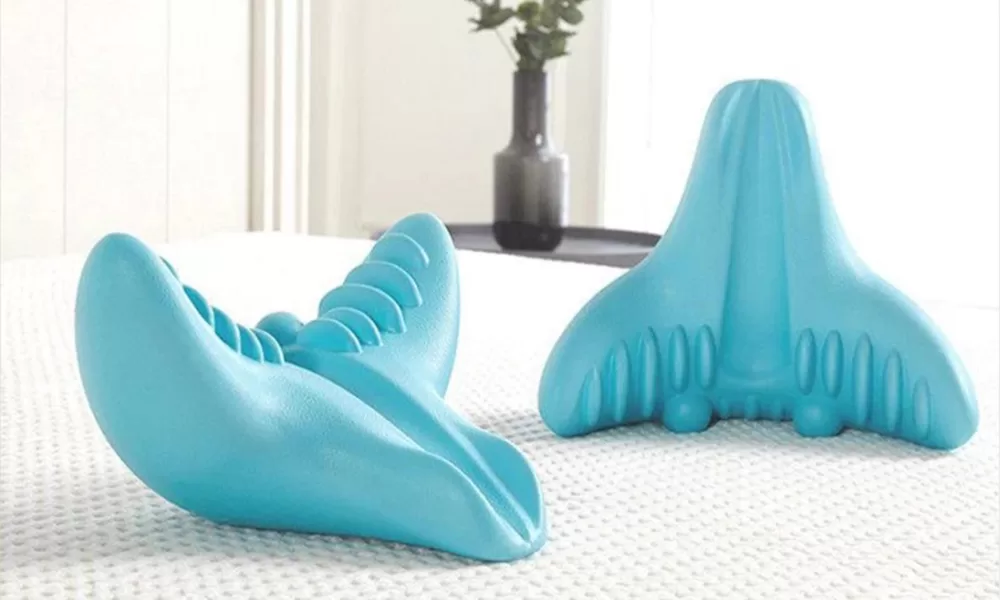
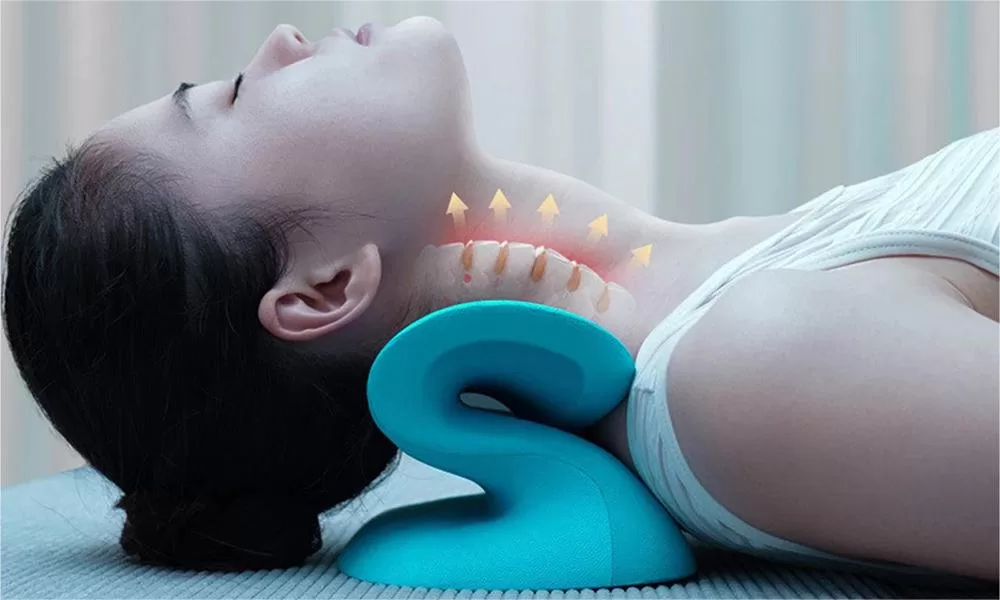
Les relaxants pour le cou et les épaules sont des appareils conçus pour apporter soutien et soulagement à ces zones. Ils agissent en fournissant une traction douce aux muscles de votre cou et de vos épaules, aidant ainsi à soulager les tensions et à favoriser la relaxation. Ces appareils peuvent être particulièrement bénéfiques pour les personnes souffrant de troubles de l'ATM, car ils peuvent aider à soulager les douleurs au cou et aux épaules associées à cette maladie.
Avantages de l’utilisation de relaxants pour le cou et les épaules
Soulagement de la douleur
En fournissant un soutien et en favorisant la relaxation, les relaxants pour le cou et les épaules peuvent aider à soulager la douleur associée aux troubles de l'ATM. Ils peuvent aider à réduire la tension musculaire, à améliorer la circulation sanguine et à favoriser la guérison dans les zones touchées.
Posture améliorée
Regular use of a neck and shoulder relaxer can help to improve your posture, which can in turn help to alleviate some of the strain on your neck and shoulder muscles. Improved posture can also help reduce the risk of developing other musculoskeletal problems.
Enhanced Relaxation
Using a neck and shoulder relaxer can promote a sense of relaxation, which can aid in pain management and overall well-being. It can provide a form of passive therapy that you can use while reading, watching TV, or even sleeping.
Choosing the Right Neck and Shoulder Relaxer
Factors to Consider
When choosing a neck and shoulder relaxer, it’s important to consider factors such as comfort, adjustability, and the level of support provided. It’s also a good idea to look for a product with positive reviews from users who have used it for TMJ pain relief. Other factors to consider include the material of the relaxer, its portability, and its price.
Incorporating Relaxers into Your Daily Routine
Integrating the use of a neck and shoulder relaxer into your daily routine can help maximize its benefits. You might use it while working at your desk, watching TV, or even during your bedtime routine. The key is consistency. Like any other form of therapy, the benefits of using a neck and shoulder relaxer are most noticeable when it’s used regularly.
The Role of Professional Guidance in Managing TMJ Pain
While neck and shoulder relaxers can be an effective tool in managing TMJ pain, they’re just one piece of the puzzle. It’s important to seek professional guidance when dealing with TMJ disorder. Healthcare professionals can provide a comprehensive treatment plan that addresses all aspects of this condition, including pain management, physical therapy, and even dietary changes.
FAQ
What is TMJ disorder?
TMJ disorder is a condition that affects the joint connecting your jaw to the temporal bones of your skull, causing pain and discomfort.
How can a neck and shoulder relaxer help with TMJ pain?
A neck and shoulder relaxer can provide support and promote relaxation, helping to alleviate the pain associated with TMJ disorder.
What should I look for in a neck and shoulder relaxer?
When choosing a neck and shoulder relaxer, consider factors such as comfort, adjustability, and the level of support provided.
Can TMJ disorder cause neck and shoulder pain?
Yes, TMJ disorder can lead to pain that extends beyond the jaw, causing neck and shoulder pain.
What are some other ways to manage TMJ pain?
In addition to using a neck and shoulder relaxer, other methods of managing TMJ pain include pain relievers, muscle relaxants, physical therapy, and in some cases, surgical procedures.
Conclusion
Les troubles de l'ATM peuvent provoquer un inconfort important, s'étendant au cou et aux épaules. Cependant, avec la bonne approche de gestion de la douleur, y compris l’utilisation d’un relaxant pour le cou et les épaules, vous pouvez trouver un soulagement et améliorer votre qualité de vie. N’oubliez pas qu’il est important de consulter un professionnel de la santé avant de commencer tout nouveau schéma thérapeutique.

Une réponse
Whenever I’m reading online, frequently I like to read through
articles I come across. Ofttimes, I can come across brand new advice, or simply a innovative new way
of looking into points that I had not acknowledged in the past.
In such a situation, I’m typically appreciative. Considering that I haven’t got the opportunity to use
the web so much, a consequence of my work as an massage therapists near me in home
therapist, I seek to take benefit from my activities on the internet.