

I have spent years studying and understanding the intricacies of neck health. Our company specializes in producing neck stretchers, and we pride ourselves on our top-notch quality control and customization options. I’ve learned a lot about neck tension and how to alleviate it, and I’m excited to share some of these insights with you.
Regular Stretching
Regular stretching is one of the most effective ways to release neck tension. It improves flexibility, increases blood flow, and can help correct posture, which is often a contributing factor to neck pain. Here are a few simple stretches you can do:
- Neck tilt: Tilt your head forward and slowly roll it from one side to the other.
- Side tilt: Tilt your head towards your shoulder and hold for 15-20 seconds. Repeat on the other side.
- Neck turn: Turn your head to one side and hold for 15-20 seconds. Repeat on the other side.
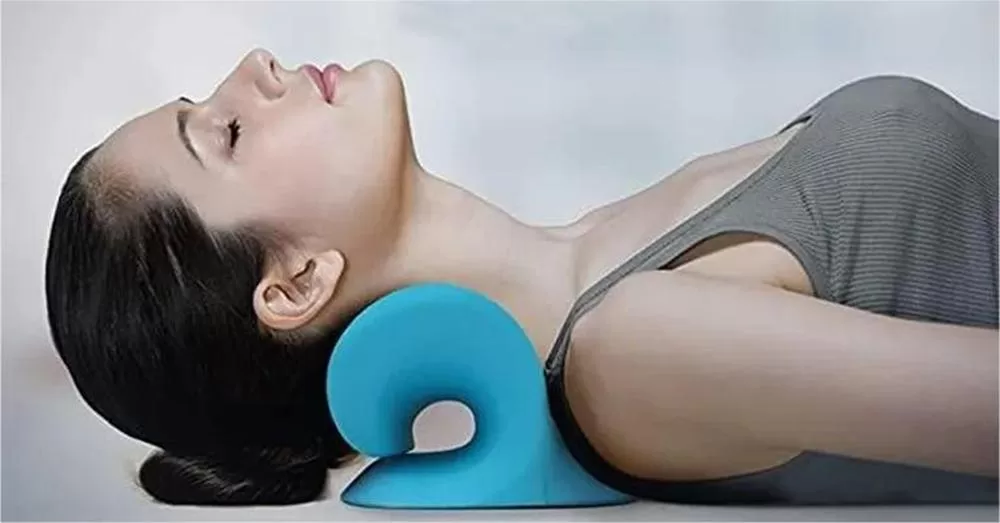
Use a Neck Stretcher
A neck stretcher is a device designed to support the muscles in your neck and relieve tension. It works by gently stretching the vertebrae, which can help improve posture and alleviate pain. At ifoama, we specialize in producing high-quality, customizable neck stretchers designed to meet our client’s specific needs.
Regular Exercise
L'exercice régulier peut aider à réduire la tension du cou en renforçant les muscles de votre cou et en améliorant votre posture globale. Des activités comme le yoga, la natation et le Pilates sont particulièrement bénéfiques car elles mettent l’accent sur la flexibilité et la force.
Thérapie par la chaleur et le froid
L'application de chaleur sur votre cou peut aider à détendre les muscles et à améliorer la circulation sanguine, tandis que la thérapie par le froid peut aider à réduire l'inflammation et la douleur engourdie. Vous pouvez utiliser une compresse chaude ou froide, ou prendre un bain ou une douche chaude.

Massage
Un bon massage peut aider à soulager les tensions du cou en améliorant la circulation sanguine et en relaxant les muscles. Vous pouvez bénéficier d’un massage professionnel ou utiliser un oreiller de massage cervical pour une option plus pratique et plus abordable.
Techniques de pleine conscience et de relaxation
Mindfulness and relaxation techniques can be very effective in relieving neck tension. These techniques help you focus on your body and what you’re feeling, which can help you release tension and relax your muscles. Techniques include deep breathing, progressive muscle relaxation, and guided imagery.
Adequate Hydration
Staying hydrated is important for overall health, and it can also help keep your muscles functioning properly. Dehydration can lead to muscle stiffness or spasms, which can contribute to neck tension. Make sure you’re drinking enough water throughout the day, especially if you’re active or it’s hot outside.
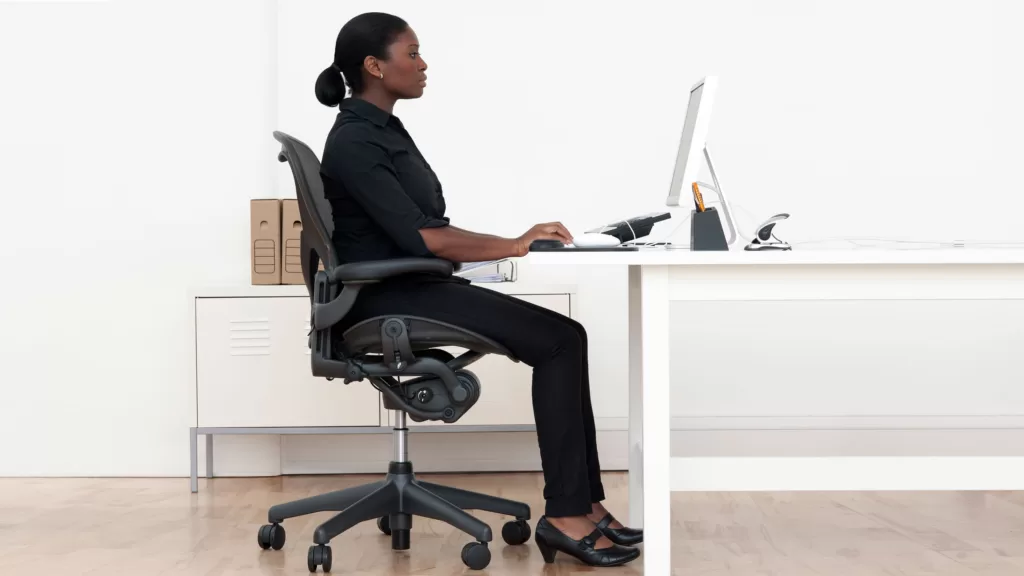
Proper Ergonomics at Work
If you spend a lot of time sitting at a desk or looking at a screen, make sure your workspace is set up to support good posture. Your monitor should be at eye level, your shoulders should be relaxed, and your arms should be at a 90-degree angle when typing. This can help prevent neck tension from developing in the first place.
Regular Breaks and Movement
Taking regular breaks to move around can help prevent and relieve neck tension. This is especially important if you have a sedentary job. Try to get up and move around at least once an hour. Stretch your neck and shoulders, and do a quick walk if possible.
Résumé
En conclusion, relâcher les tensions cervicales est crucial pour maintenir une bonne santé et un bien-être. N'oubliez pas qu'il est important d'écouter votre corps et de demander l'aide d'un professionnel si la tension de votre cou persiste.

Une réponse
Merveilleusement écrit