
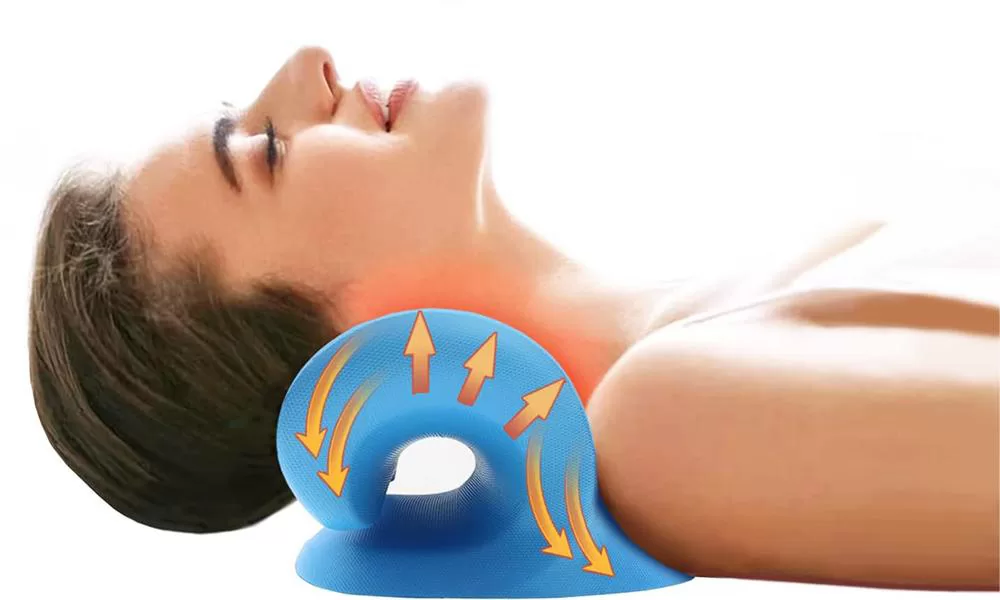
Neck pain is a common complaint in today’s digital age. With prolonged screen time and poor posture, many are seeking solutions to alleviate their discomfort. Enter the Shoulder & Neck Traction Device. In this guide, we’ll delve deep into the workings of this device, answering all your pressing questions.
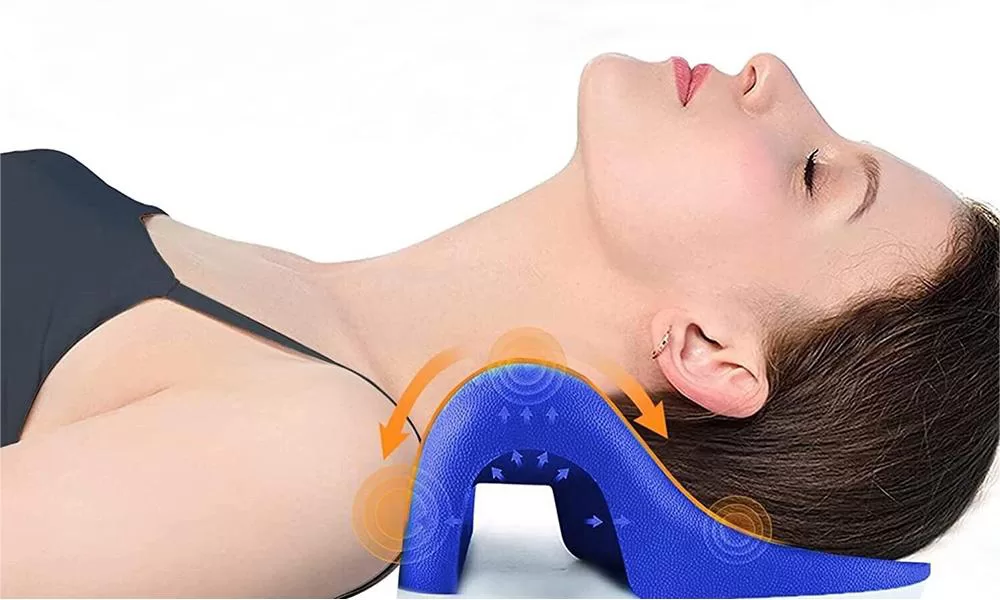
How do Neck Stretchers Work?
Neck stretchers, often referred to as traction devices, are ingeniously designed tools that aim to alleviate neck pain. Their primary function is to decompress the cervical spine, when supporting the neck, it undergoes adaptive deformation under the force of gravity of the head thus providing traction and stretching. This action creates space between the vertebrae, relieving pressure on nerve roots and improving blood circulation. The result? A significant reduction in pain and enhanced mobility. For example, consider someone who has been in a minor car accident and suffers from whiplash. Using a neck stretcher can help realign the vertebrae, reducing pain and promoting healing.
How Long do You use a Neck Stretcher?
La durée recommandée d'utilisation d'un étireur cervical varie en fonction des besoins individuels et des directives spécifiques fournies par le fabricant du produit. En règle générale, pour la plupart des utilisateurs, il est conseillé de commencer par des séances quotidiennes de 10 à 15 minutes. Au fur et à mesure que l’on s’habitue au dispositif et à ses effets, cette durée peut être progressivement augmentée. Cependant, il est essentiel de toujours être à l’écoute de son corps. S'étirer excessivement ou utiliser l'appareil pendant des périodes prolongées sans pause peut être contre-productif.
L'étireur de cou et d'épaules fonctionne-t-il ?
The effectiveness of neck shoulder stretchers, like many health products, can vary based on individual needs, the design of the device, and the consistency of its use. These devices are designed to provide traction to the neck, helping to stretch the muscles and relieve tension.
For many, the relief provided by neck stretchers is palpable, especially after prolonged periods of stress or poor posture. They can be particularly beneficial for office workers or those who spend long hours in front of a computer. A study on ergonomic interventions among office workers in 2018 highlighted the prevalence of work-related upper limb and neck musculoskeletal disorders (MSDs). While the study primarily focused on ergonomic interventions, it underscores the importance of addressing neck and shoulder issues among this demographic.
What are the Benefits of Stretching Your Neck Every Day?
Regular neck stretching offers a plethora of benefits. Firstly, it improves flexibility, enhancing the neck’s range of motion. Secondly, it helps relax tight muscles, reducing feelings of stiffness and discomfort. Thirdly, stretching promotes better blood flow, ensuring muscles receive adequate oxygen and nutrients. Over time, this can lead to better posture, reduced pain, and improved overall neck health.
How Often Can I Use My Neck Stretcher?
While it’s generally safe to use the neck stretcher daily, it’s paramount to adhere to the manufacturer’s guidelines. Overuse can lead to increased tension or even injury. Starting slow, perhaps every other day, and then gradually increasing the frequency as your neck adjusts is a prudent approach.
What are the Side Effects of Neck Traction?
Neck traction devices, when used correctly, are beneficial. However, potential side effects include temporary dizziness, headaches, or increased pain. In rare cases, overstretching can lead to muscle strains or more severe injuries. It’s always advisable to consult with a healthcare professional if any adverse effects are experienced.
Can You Overdo Neck Exercises?
Yes, it’s possible to overdo neck exercises. Overexertion can lead to muscle strains, increased pain, or even injury. It’s crucial to listen to your body, take breaks, and ensure you’re performing exercises correctly. For instance, if after a session of neck exercises, you feel sharp pain instead of relief, it might be an indication of overdoing it.
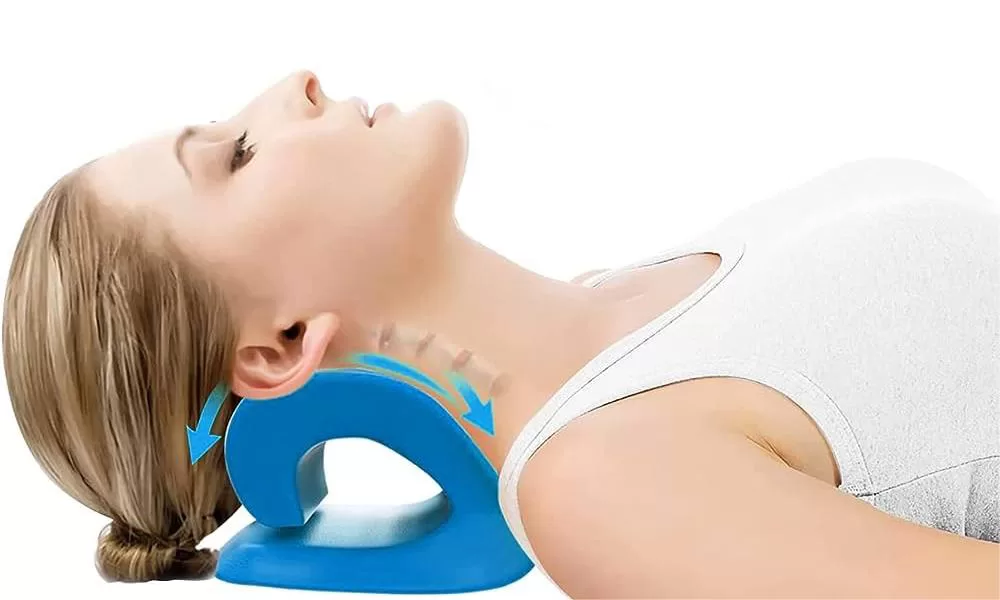
How do You Decompress Your Neck while Sleeping?
Réaliser une décompression du cou pendant le sommeil consiste à adopter la bonne posture. L’utilisation d’un oreiller cervical qui soutient la courbe naturelle du cou est bénéfique. La position idéale est de dormir sur le dos, le cou aligné avec la colonne vertébrale. Les oreillers hauts ou ceux qui forcent le cou dans des positions non naturelles doivent être évités.
Quelle est la position la plus relaxante pour votre cou ?
La position la plus relaxante pour le cou est de s’allonger sur le dos avec un oreiller de soutien qui maintient la courbe naturelle du cou. Cette position assure une répartition uniforme du poids de la tête, réduisant ainsi la pression sur la colonne cervicale et favorisant la relaxation.
Que se passe-t-il lorsque vous décompressez votre cou ?
Decompressing the neck involves creating space between the cervical vertebrae. This action can relieve pressure on nerve roots, reduce muscle tension, and enhance blood flow. The result is often a significant reduction in pain and an improvement in overall neck mobility.
Why do People Wear Neck Stretchers?
Neck stretchers offer a non-invasive solution to alleviate discomfort, especially with the rise of desk jobs and increased screen time causing neck pain. They’re also used by individuals recovering from neck injuries or surgeries to aid in the healing process. The primary reason is pain relief, but they also aid in posture correction and overall neck health.
How Can I Decompress My Neck at Home?
Apart from using a neck stretcher, there are several exercises you can do to decompress your neck at home:
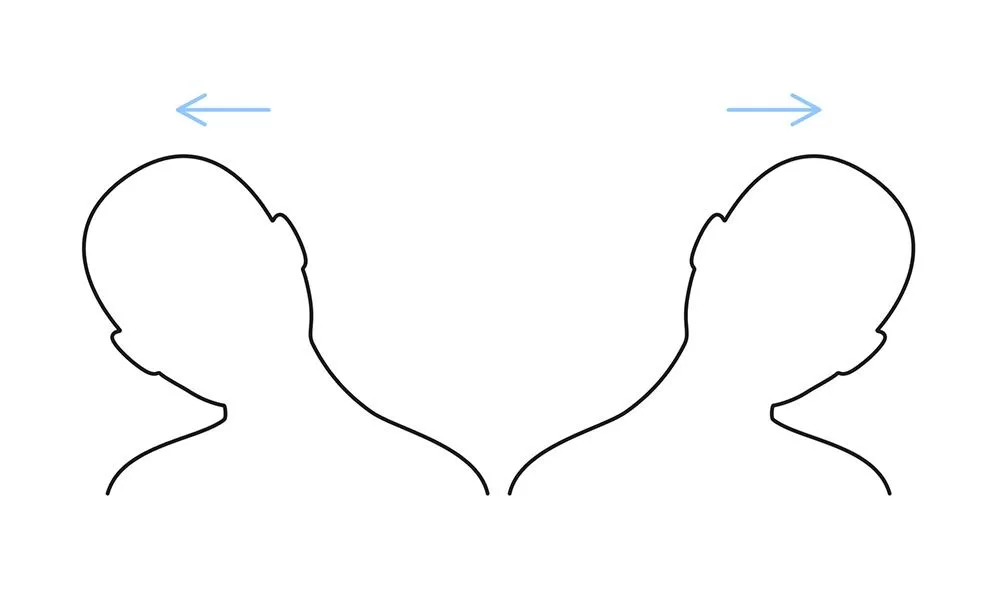
- Neck Tilts: Gently tilt your head from side to side.
- Neck Rotations: Slowly turn your head from left to right.
- Neck Flexion and Extension: Move your head forward and backward. Using a rolled-up towel as a makeshift cervical pillow while sleeping can also help.
Conclusion
The Shoulder & Neck Traction Device is a revolutionary tool in the realm of neck health. By understanding its workings, benefits, and potential side effects, users can harness its potential for significant relief and improved quality of life. Always remember to use the device as directed and consult with a healthcare professional if in doubt.